Khiara Keating is changing the history of English football
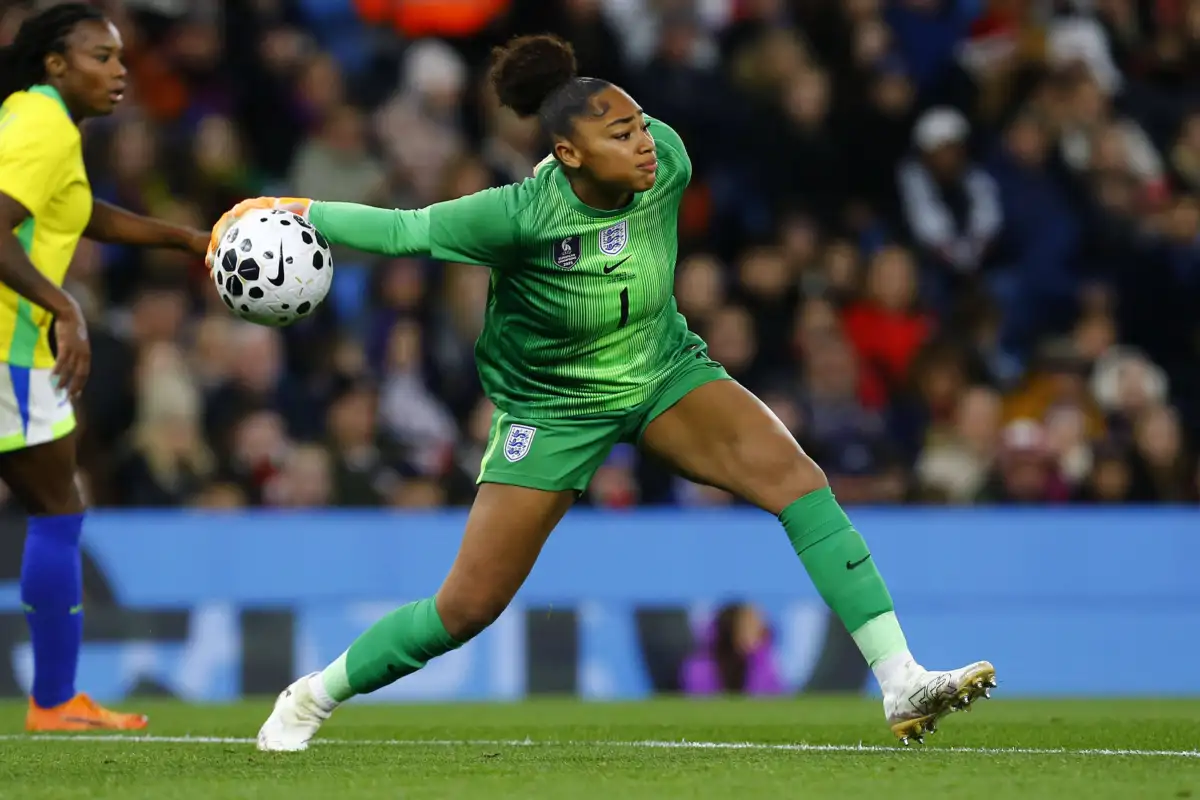
"I am just happy to be the inspiration," said the goalkeeper known for her all time smiley face. And she really is an inspiration, especially for little girls in England. She became England's first ethnic minority goalkeeper.
Unfortunately, the issue of racism — and racist abuse in particular — remains a very current and painful reality even in women’s football, which is often described as a safe space for all minorities. Defender Jess Carter of the Lionesses and NJ/NY Gotham knows this all too well. During the European Championship, she was subjected to a wave of online abuse, much of it explicitly racist in nature.
Fortunately, the situation was taken seriously not only by the England national team, but also by the police, who launched an investigation and arrested the man responsible for sending the hateful messages. The issue was also openly addressed by Tottenham player Jess Naz, who said she was “done being quiet”.
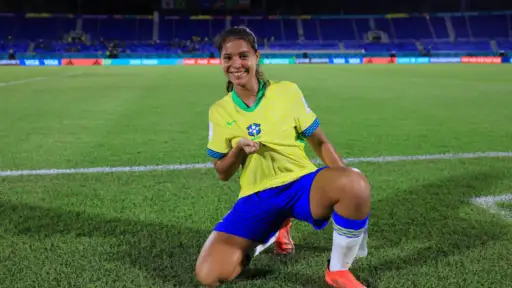
That is precisely why the milestone reached in October 2025 by Khiara Keating, the 21-year-old goalkeeper of Manchester City, is so significant. It was in a friendly match against Brazil that she made her senior England debut. But this was about more than a personal achievement. Keating became the first Black goalkeeper to represent England at senior level. While the history of the England women’s national team includes many players of colour in outfield positions, none had ever played in goal.
So what is her story?
Keating began playing football at the age of six. Although she is now firmly associated with Manchester City, her journey started as a striker at their biggest rivals, Manchester United. A decisive step came at the age of eleven, when she moved to Manchester City — the club she still represents today.
Sarina Wiegman, head coach of the Lionesses, has said that Keating appears far more mature and experienced than her age would suggest. That may be partly due to the fact that Keating made her WSL debut at a very young age. She first stepped between the posts in 2023, and after Ellie Roebuck’s move to Barcelona, she quickly established herself as City’s first-choice goalkeeper. By then, she had already gained valuable experience through loan spells in the lower divisions — and, crucially, she earned the trust of her team.
Her debut for England was therefore not just another name on a match sheet. It was a symbol. For girls who grow up loving football but never saw themselves represented in goal. For parents searching for role models. And for a sport that is slowly, but surely, learning to confront its own blind spots.
Khiara Keating does not speak of herself as a pioneer. She avoids big words and does not seek to position herself as an activist. She simply does what she has done since childhood — she saves shots, works hard, and keeps improving. And that may well be her greatest strength. She shows that change does not always come through manifestos, but through everyday presence in places where no one like her had stood before.
Her story is not about women’s football being free of racism. It is not. The problem exists — painfully and visibly. But it is also a story about new chapters being written, despite everything.
Hot news