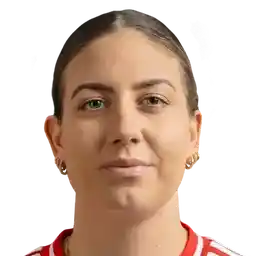


 Janne
JanneKrumme Goalkeeper #21
 Eintracht Frankfurt
Vote for Janne Krumme
Eintracht Frankfurt
Vote for Janne Krumme



The heart of women's football.
For players, about players, from players.
Rising stars. Inspiring stories. Fun facts you will love.
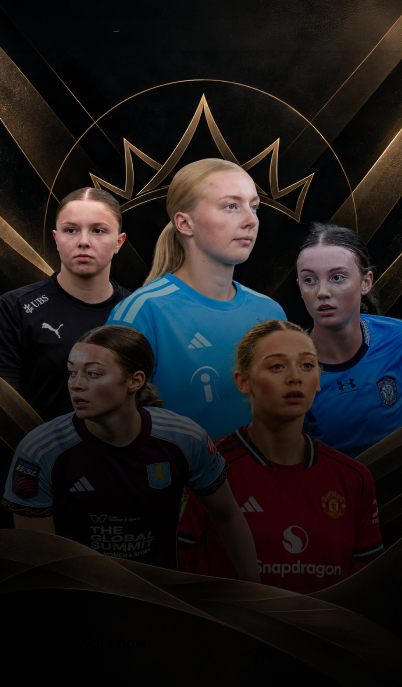
The fans are deciding. Who will be this season’s La Princesa?
Janne Eintracht Frankfurt
Vote for Janne Krumme
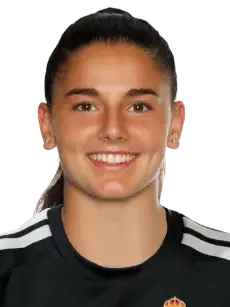
 Laia
Laia Real Madrid
Vote for Laia López
Real Madrid
Vote for Laia López
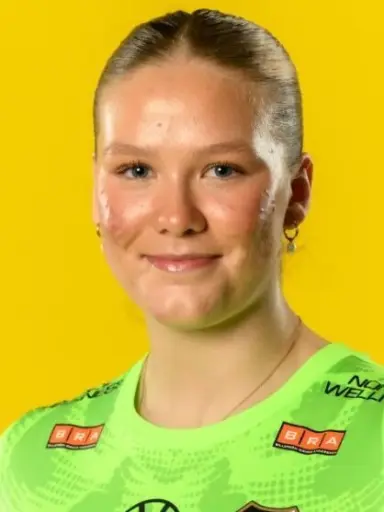
 Hanna
Hanna BK Häcken
Vote for Hanna Karlsson
BK Häcken
Vote for Hanna Karlsson
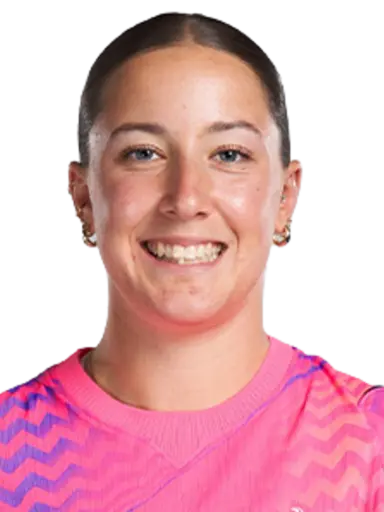
 Sophie
 Tottenham Hotspur FC
Vote for Sophie Jackson
Tottenham Hotspur FC
Vote for Sophie Jackson
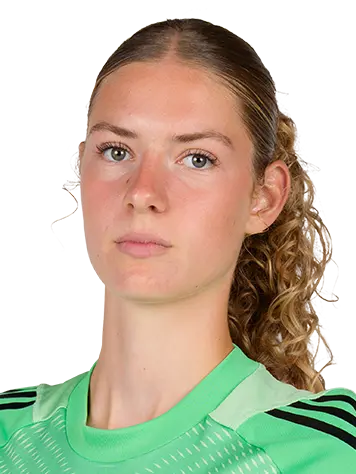
 Danae
Danae AFC Ajax
Vote for Danae van der Vliet
AFC Ajax
Vote for Danae van der Vliet
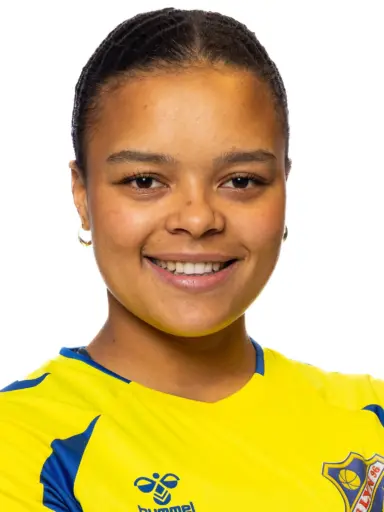
 Maria
Maria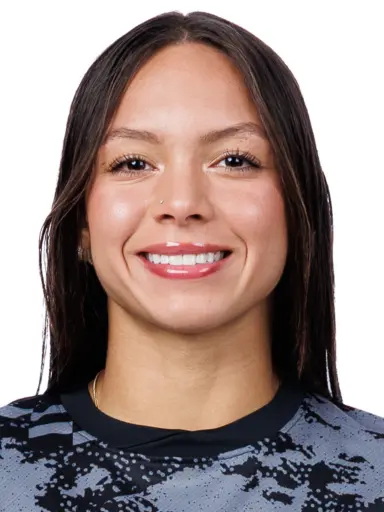
 Luisa
Luisa San Diego Wave FC
Vote for Luisa Agudelo
San Diego Wave FC
Vote for Luisa Agudelo
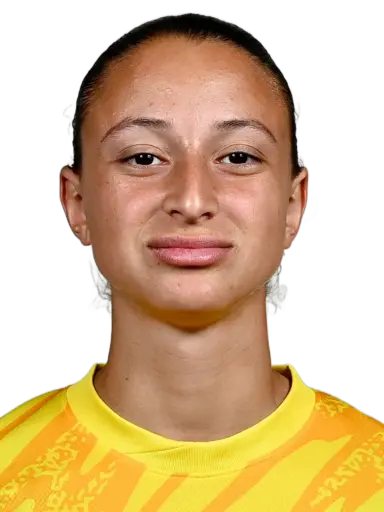
 Ceylin
 Montpellier FC
Vote for Ceylin Yilmaz
Montpellier FC
Vote for Ceylin Yilmaz
 Valentina
 Club América
Vote for Valentina Murrieta
Club América
Vote for Valentina Murrieta
 Yara
Yara Grasshopper
Vote for Yara Zwyssig
Grasshopper
Vote for Yara Zwyssig
 Felicia
 SV Werder Bremen
Vote for Felicia Sträßer
SV Werder Bremen
Vote for Felicia Sträßer
 Nelly
Nelly Chelsea
Vote for Nelly Las
Chelsea
Vote for Nelly Las
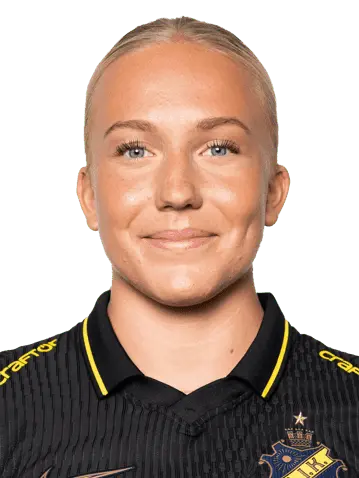 Thindra
 AIK Stockholm
Vote for Thindra Mattsson
AIK Stockholm
Vote for Thindra Mattsson
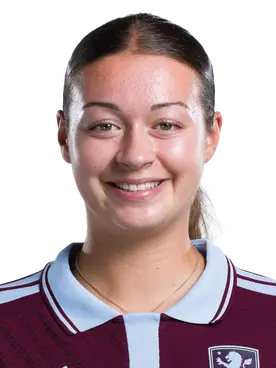 Rachel
 Aston Villa FC
Vote for Rachel Maltby
Aston Villa FC
Vote for Rachel Maltby
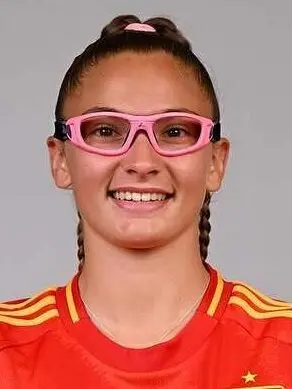 Noa
Noa Barcelona Femení
Vote for Noa Jiménez
Barcelona Femení
Vote for Noa Jiménez
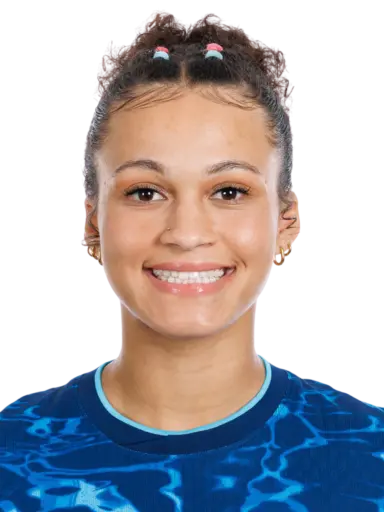
 Trinity San Diego Wave FC
Vote for Trinity Armstrong
Trinity San Diego Wave FC
Vote for Trinity Armstrong
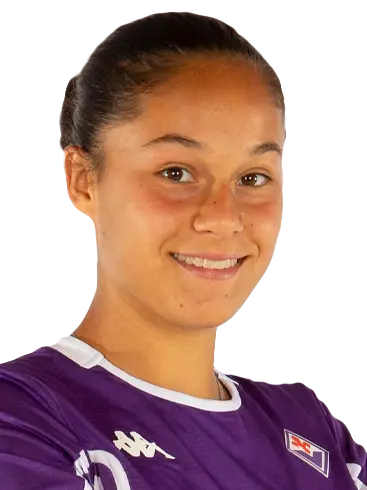
 Emma
Emma Fiorentina
Vote for Emma Lombardi
Fiorentina
Vote for Emma Lombardi
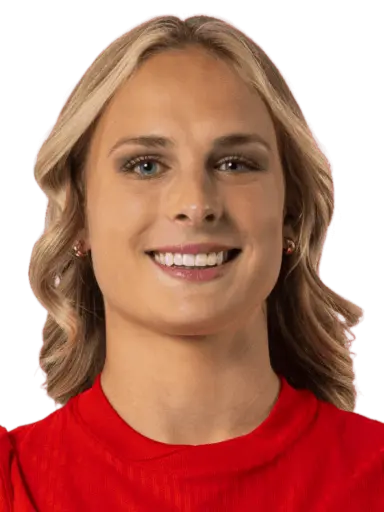 Katie
Katie Kansas City Current
Vote for Katie Scott
Kansas City Current
Vote for Katie Scott
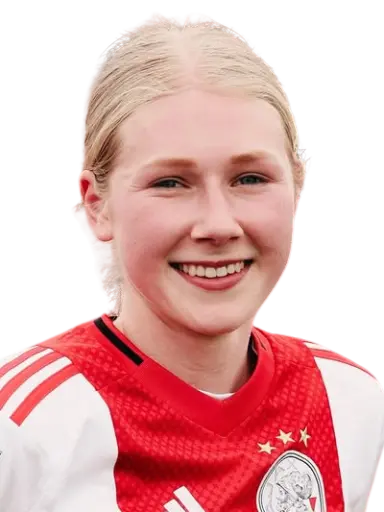 Kiki AFC Ajax
Vote for Kiki Horváth
Kiki AFC Ajax
Vote for Kiki Horváth
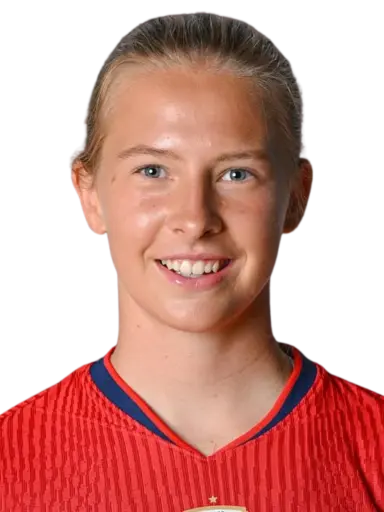 Selma
Selma FC Como Women
Vote for Selma Igesund Saga
FC Como Women
Vote for Selma Igesund Saga
 Fanny
Fanny Hammarby IF
Vote for Fanny Peterson
Hammarby IF
Vote for Fanny Peterson
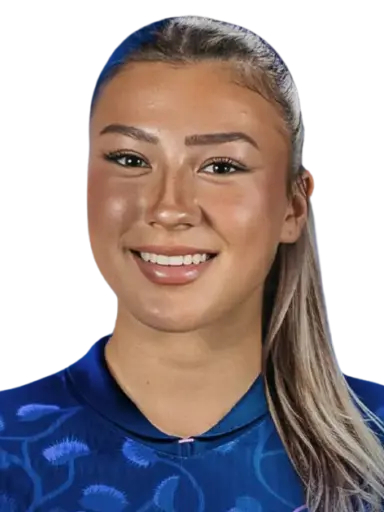 Erica
Erica North Carolina Courage
Vote for Erica Parkinson
North Carolina Courage
Vote for Erica Parkinson
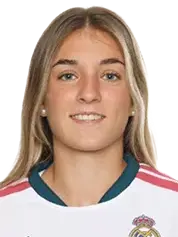 Irune Real Madrid
Vote for Irune Dorado
Irune Real Madrid
Vote for Irune Dorado
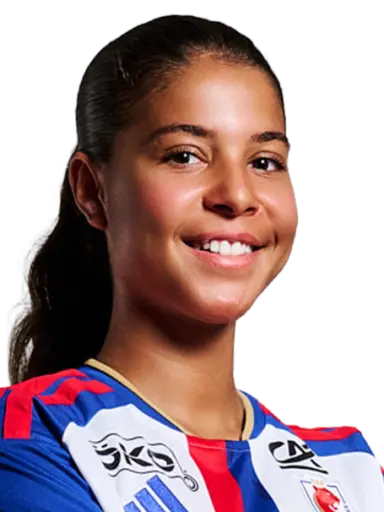
 Giovanna
 OL Lyonnes
Vote for Giovanna Waksman
OL Lyonnes
Vote for Giovanna Waksman
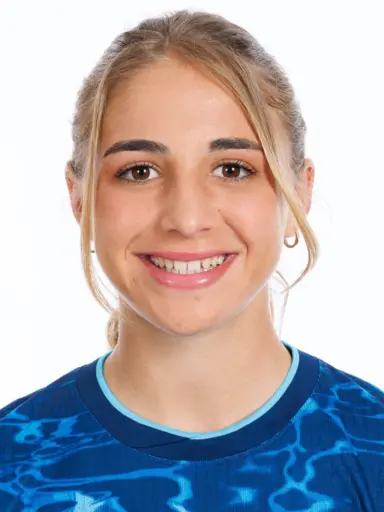 Kimmi San Diego Wave FC
Vote for Kimmi Ascanio
Kimmi San Diego Wave FC
Vote for Kimmi Ascanio
 Chloe
Chloe Boston Legacy FC
Vote for Chloe Ricketts
Boston Legacy FC
Vote for Chloe Ricketts
 Rosalie
 PSV Eindhoven
Vote for Rosalie Renfurm
PSV Eindhoven
Vote for Rosalie Renfurm
 Kennedy
 Bay FC
Vote for Kennedy Fuller
Bay FC
Vote for Kennedy Fuller
 Elle
Elle Røa IL
Vote for Elle Ulstein
Røa IL
Vote for Elle Ulstein
 Filippa
 Kristianstads DFF
Vote for Filippa Widén
Kristianstads DFF
Vote for Filippa Widén
 Layla
Layla Manchester United WFC
Vote for Layla Drury
Manchester United WFC
Vote for Layla Drury
 Giulia Barcelona Femení
Vote for Giulia Galli
Giulia Barcelona Femení
Vote for Giulia Galli
 Anny
Anny VfL Wolfsburg
Vote for Anny Kerim-Lindland
VfL Wolfsburg
Vote for Anny Kerim-Lindland
 Zoe
Zoe SC Freiburg
Vote for Zoe Schick
SC Freiburg
Vote for Zoe Schick
 Melanie San Diego Wave FC
Vote for Melanie Barcenas
Melanie San Diego Wave FC
Vote for Melanie Barcenas
 Casey
Casey Feyenoord
Vote for Casey Phair
Feyenoord
Vote for Casey Phair
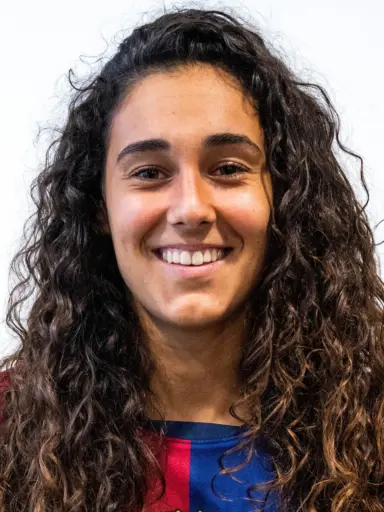 Celia
Celia Atlético Madrid
Vote for Celia Segura
Atlético Madrid
Vote for Celia Segura
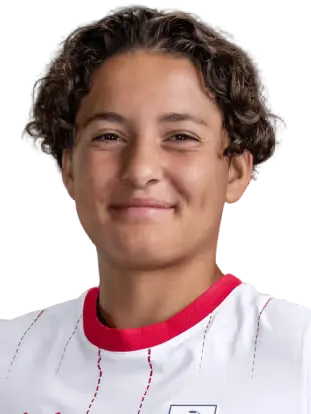 Emanuela
 RB Leipzig
Vote for Emanuela Pfister
RB Leipzig
Vote for Emanuela Pfister
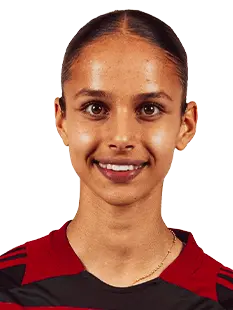
 Talia
Talia Western Sydney Wanderers FC
Vote for Talia Younis
Western Sydney Wanderers FC
Vote for Talia Younis
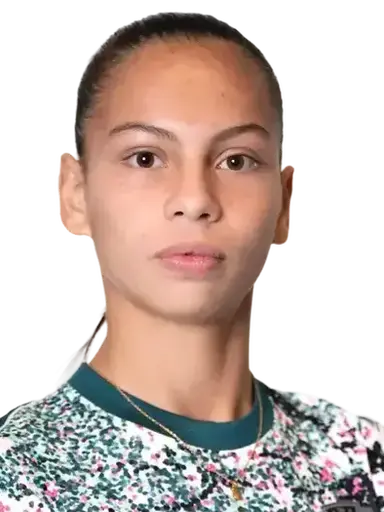
 Claudia
 Washington Spirit
Vote for Claudia Martínez
Washington Spirit
Vote for Claudia Martínez

Feyenoord
At just 16 years and 26 days, she became the youngest player ever to appear in a senior FIFA World Cup, men’s or women’s.
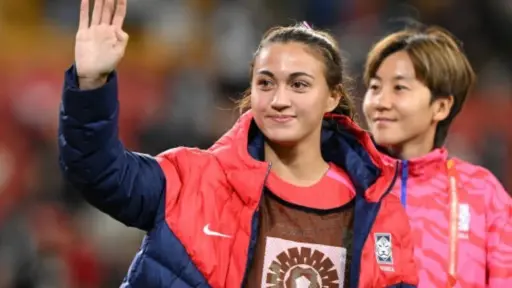
Botafogo RJ
As a child, a teacher refused to let her play football with the boys, insisting that “girls don’t play football”. Years later, the same teacher congratulated her on her professional career.

Arsenal WFC
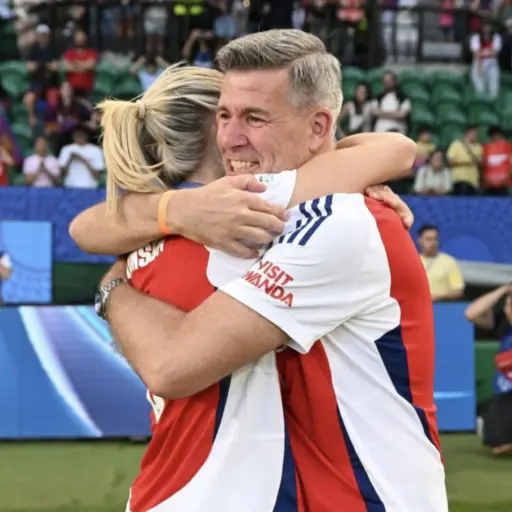
Her father is a lifelong Spurs supporter. But when Leah won the Champions League final with Arsenal, he surprised her by wearing her jersey.

Denver Summit FC
After her father died, she considered quitting football and started training to be a firefighter. Playing football at the fire station reignited her love of the game, and her fire captain encouraged her to pursue a professional career.


Arsenal WFC
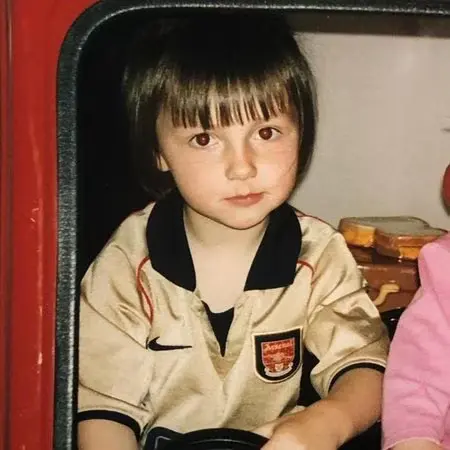
She grew up a fan of Arsenal, with her aunt singing Gunners chants to her as lullabies.
SC Corinthians Paulista
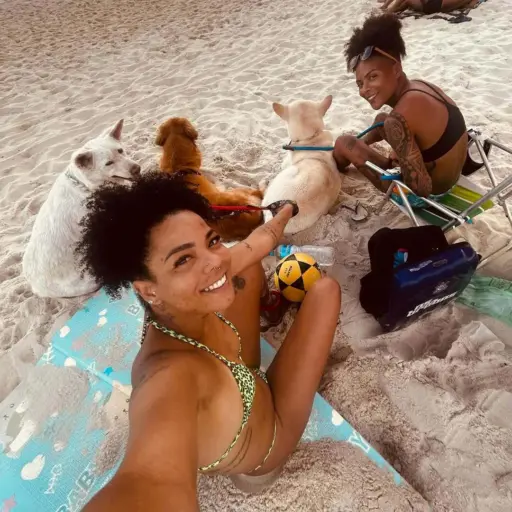
She and her wife have three dogs: Marley, Mary Jane and Ohmar.

Al Qadsiah FC
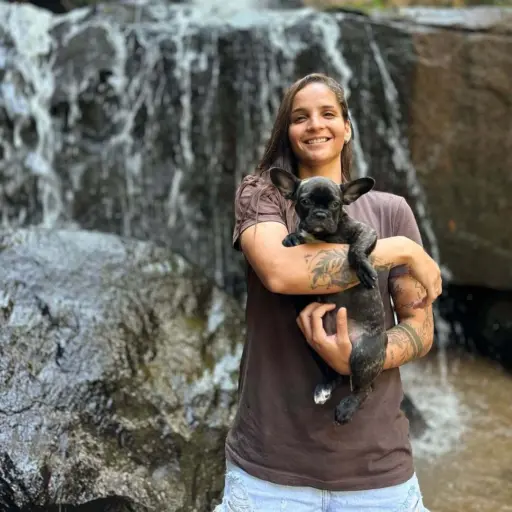
She has a dog and even had his face tattooed on her arm.

San Diego Wave FC
Her dog Milo is such a big part of her routine that she has even called him on video while away for matches.


Fluminense
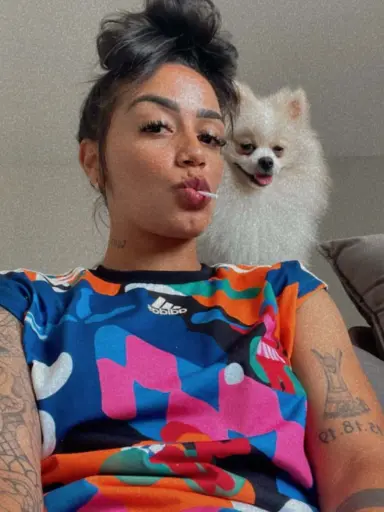
Kamilla’s dog Kadums has its own Instagram account: @kadums.10.
Kristianstads DFF
She has a dog and two cats with their own Instagram account.

Vicenza WFC
Before every match, she kisses a photograph of her family that she keeps in her bag.

SC Corinthians Paulista
Her matchday ritual includes prayer, music, and thinking about her two nephews; she also keeps a shin guard with their photo.

Paris Saint-Germain FC
Before matches, she does breathing exercises and enjoys doing crossword puzzles.
Bayer 04 Leverkusen
Before every match, she follows a ritual of always putting on her left sock, shoe, and gloves first.

RC Lens
During her time at Guingamp, she followed the exact same pre-match routine for years, including sitting in the same locker room seat before kickoff.

BK Häcken
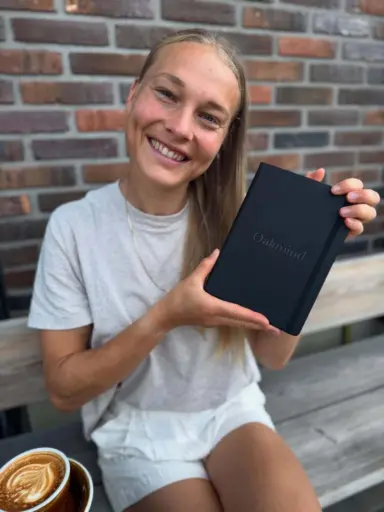
She co-launched a one-step wellness journal project called Oakmind with her husband Emil, aimed at helping people manage everyday stress.
1. FC Köln
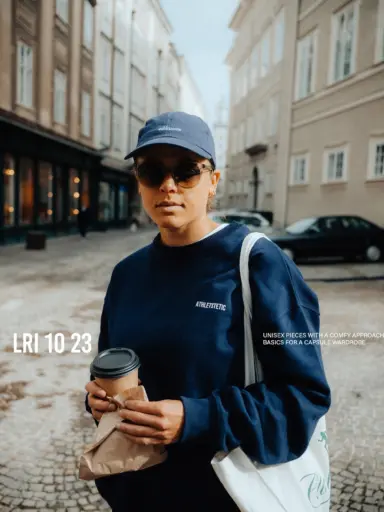
Laura and her sister Denise launched their own fashion brand LRI 10 23.

Angel City FC
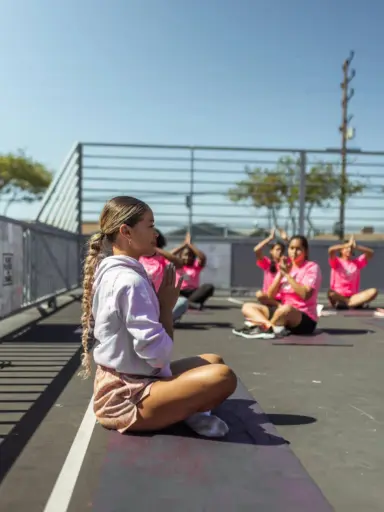
She founded HoodSpace in 2020, a non-profit focusing on mental health and wellness for girls of colour through meditation, yoga and sport.
Seattle Reign FC
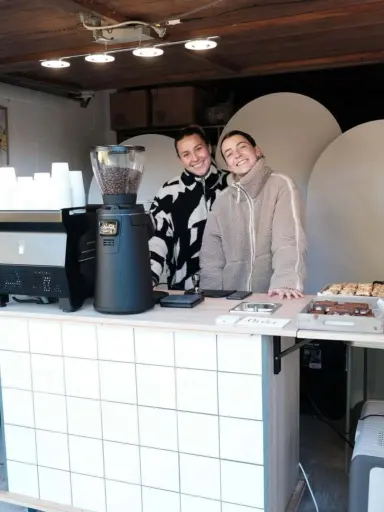
Together with her wife Amy James-Turner, she launched a coffee business from a vintage van, joking that she mainly handles front-of-house duties while Amy runs the social media.

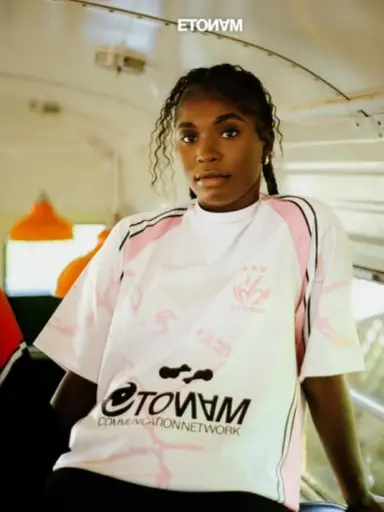
London City Lionesses
She loves dancing and fashion. She studied fashion management and founded her own fashion brand, ETONAM.

Western Sydney Wanderers FC
At 14 years and 361 days, she broke Sam Kerr's youngest-player record in A-League Women when she debuted for Western Sydney Wanderers in 2023.
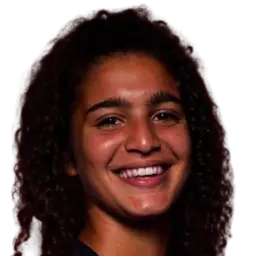
Barcelona Femení
At 14, Mayssa was the youngest player at the 2025 FIFA U-17 Women's World Cup. Her two goals against Costa Rica made her the competition's youngest-ever goalscorer.
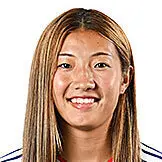
Mynavi Sendai Ladies
In September 2023, she became the youngest player in WE League Cup history, debuting at 15 years, 9 months and 25 days.
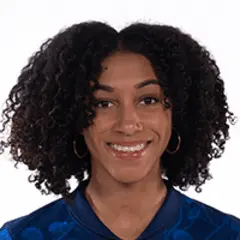
North Carolina Courage
Her first professional NWSL goal made history: at 18, she became the youngest player ever to score for North Carolina Courage in a NWSL regular-season match.
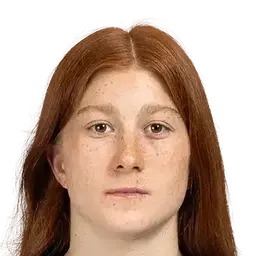
US Sassuolo Calcio
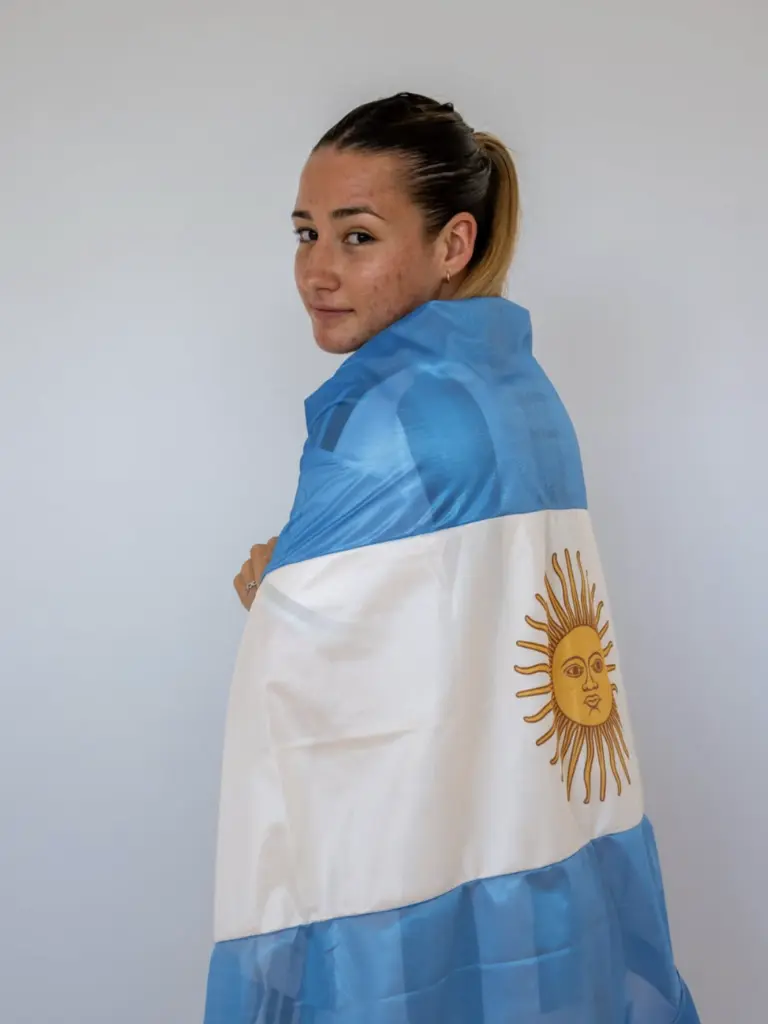
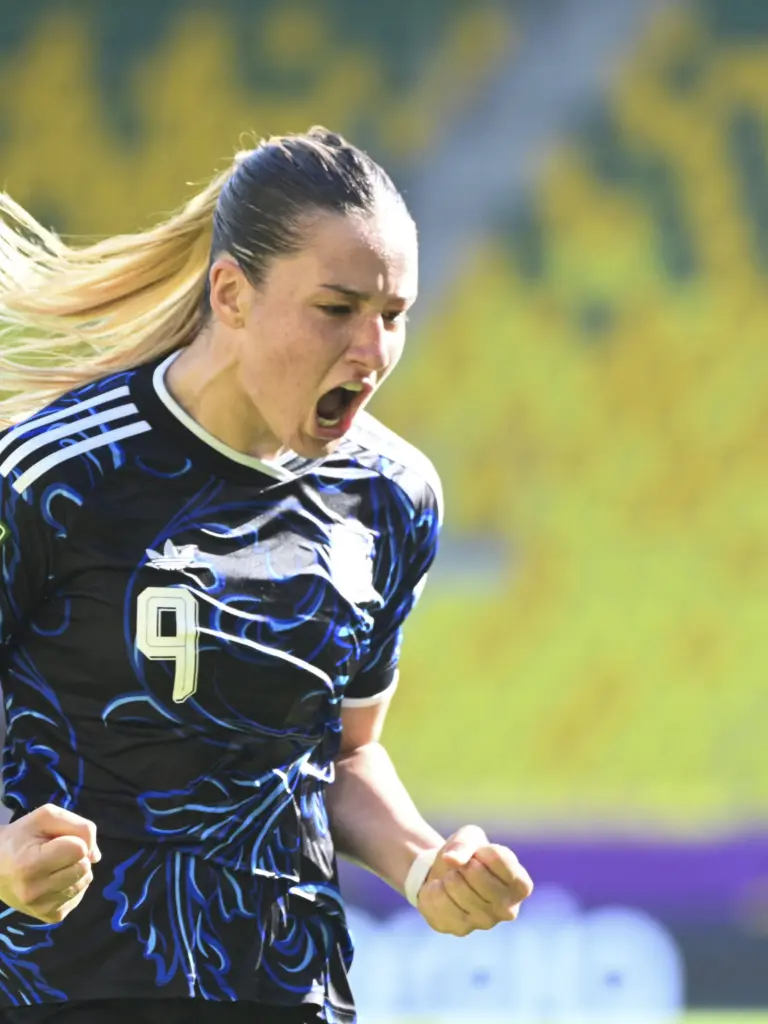
Her debut goal made her the youngest goalscorer in Argentina's senior women's national-team history.
The world’s largest database of women’s football talent
25,476+
Unique fun facts
QueenBallers is the world’s largest collection of women’s football fun facts and personalities.
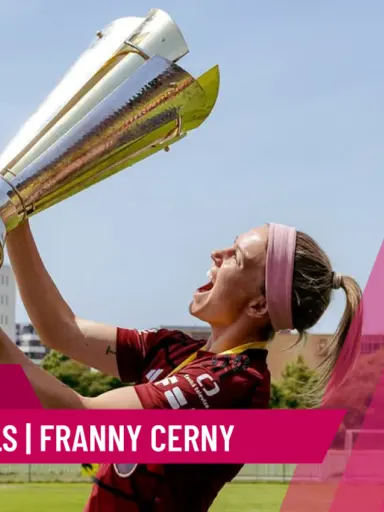 2 min read QB Originals Exclusive: Franny Černá on growing up in the USA, representing Czechia and how mainstream media treat women’s football
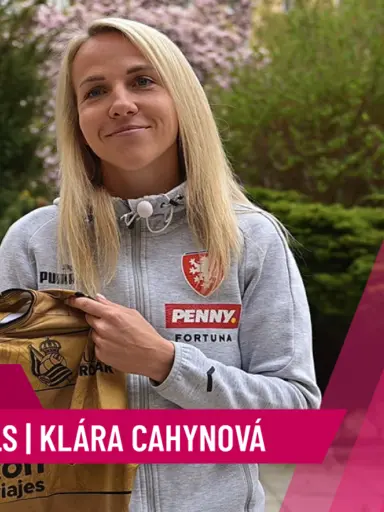 1 min read QB Originals “We Celebrated Like We Won the World Cup” - Klára Cahynová on Beating Barcelona
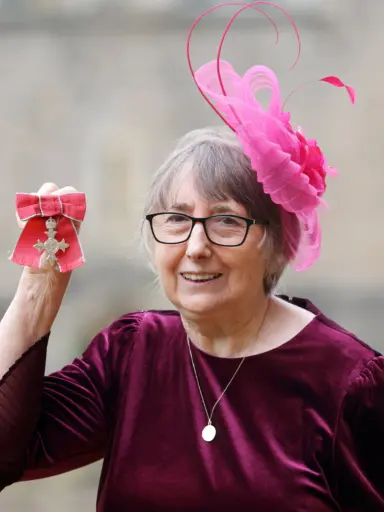 11 min read QB Originals Exclusive: Patricia Gregory reflects on England’s first women’s team and the rise of the Lionesses
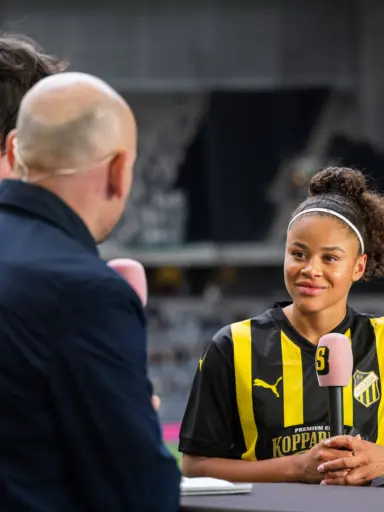 4 min read QB Originals Schröder for Queenballers: “You’re never truly ready. You just grow into it”
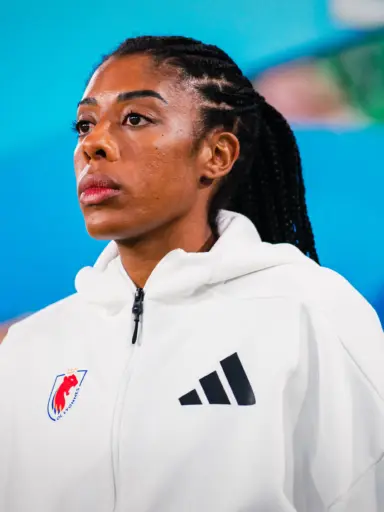 3 min read QB Originals Ashley Lawrence: “England is more advanced than France in women’s football”
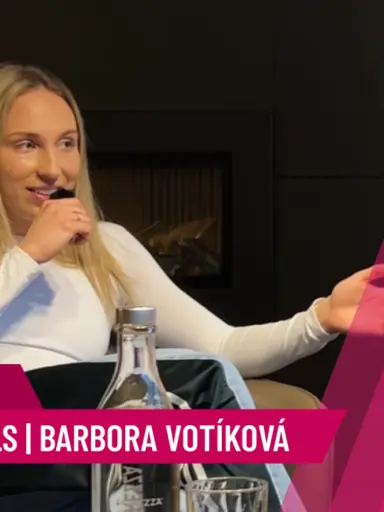 2 min read QB Originals BARBORA VOTÍKOVÁ: First Czech Woman at Arsenal. On & Off the Pitch

You can wish a Happy Birthday!
 QB Weekly QB weekly: 19. 10. - 25. 10. 2026
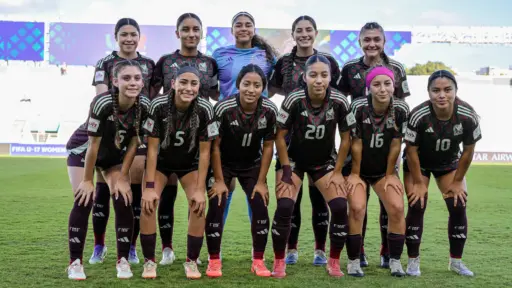 Future Queens Mexico is scouting for talent all over the world. These three players could shape its future
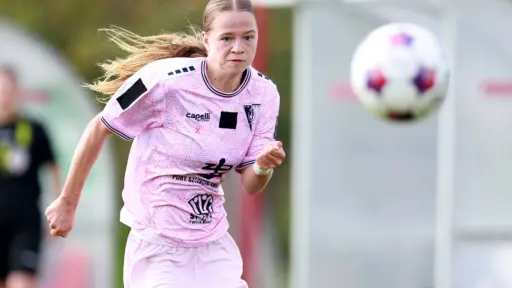 Future Queens Four faces of Poland’s future. Who to watch at the U17 Women's World Cup
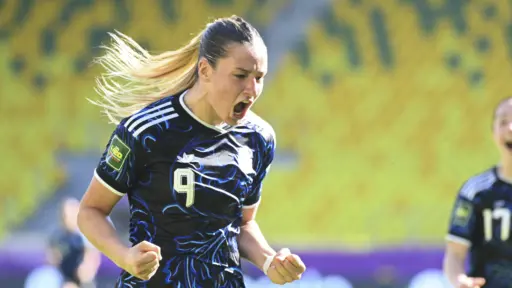 Future Queens Mercedes Diz: Argentina's rising star who even has a burger named after her
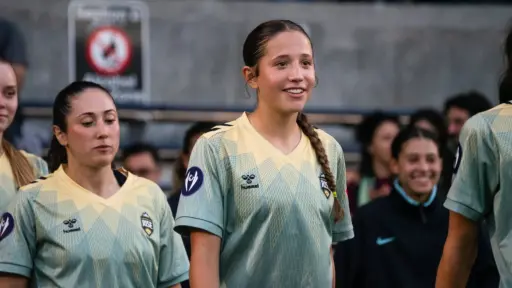 Future Queens The youngest player in a Northern Super League match and a goalscoring Olympic hopeful: Meet Canada’s U17 squad
 Future Queens Nigeria bring World Cup experience and record-breaking goalkeeper to Morocco
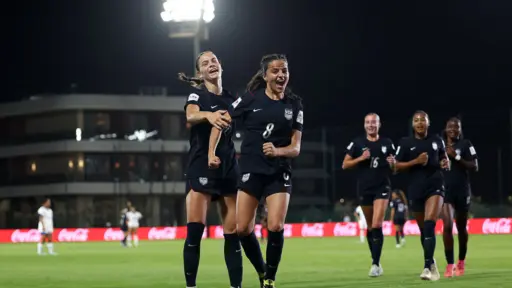 Future Queens A 15-year-old on a boys’ academy team and a 16-year-old former college student: Meet the USA U17 players
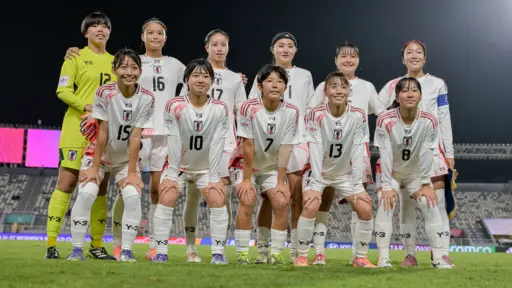 Future Queens Japan’s new gen: Three rising stars to watch at U17 World Cup
The players who inspire, lead, and proudly represent QueenBallers.
“I play knowing that every step forward matters, not just for me, but for women’s football as a whole.”
Search players, teams and leagues across women's football.
Analytics disabled — Manage