Strong Story
TV rights as an annual drama in women's football. Liga F once again resolved the issue at the last minute
Difficulties with the sale of broadcasting rights just before the start of the Spanish Liga F are slowly becoming something of a national tradition in Spain. Once again, the streaming platform DAZN found itself in a dispute with the Spanish women’s top flight and sought to terminate the contract early. The fiasco and international embarrassment were only averted at the very last minute.

Carolina Morace: The first lady of Italian football who never waited for a permission
La Tigre. A nickname Carolina Morace earned thanks to her performances on the pitch. Her teammates said that during matches they could see the determination and ferocity of a killer in her eyes. She had displayed the same tenacity even as a little girl growing up in Venice. The daughter of a naval officer spent every afternoon with a ball at her feet, alongside her brother Davide, who is two years her senior.
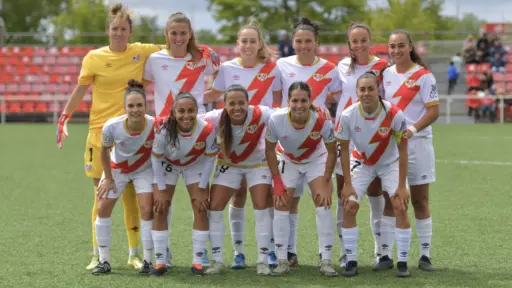
The downfall of Rayo Vallecano: from the Champions League to three relegations in four years
Rayo Vallecano's story is one of the clearest examples of how neglect can bring down a historic women's football team. In 2026, the club's decline reached a new low as Rayo's women's side were relegated to Tercera RFEF, the fourth tier of Spanish women's football.

No academies: How do young female footballers in the US go pro?
The path to professional football is relatively simple in Europe: players come up through professional clubs’ youth academies where they play for free and then join a senior club squad once they graduate from their academy. In the US, with most professional women’s clubs not having affiliated youth clubs, the landscape is a little more complicated. What does youth football development look like in the United States, and what are the different pathways to going pro?
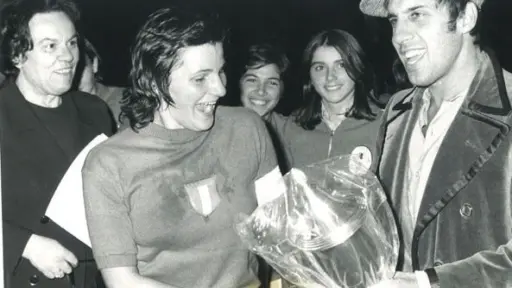
Elena Schiavo: The Italian rebel who changed the rules of the game
“I was a rebel.“ These are the exact words Elena Schiavo uses to look back on her extraordinary career. For her, rebellion wasn’t just a pose, it was a necessity. At a time when many in Italy believed a woman’s place was exclusively in the kitchen, she decided to go against the grain and devote herself to a sport that was considered a purely male pursuit.

She could become an ice hockey player, but instead she is Sweden's captain. The story of Kosovare Asllani
Today, on July 29 2026, we celebrate a birthday of Sweden and London City Lionesses captain Kosovare Asllani. World probably never aprecciated her enough, but in Sweden are children books written about her. And yet she was originally supposed to wear the Tre Kronor jersey. Do you know the story of Kosovare Asllani?
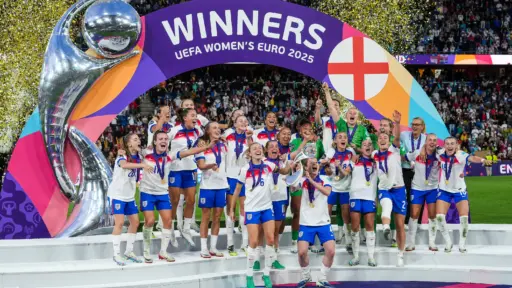
Home again! The Lionesses became back to back European champions one year ago
On this day one year ago, July 27 2025, the Lionesses became European Champions for the second time in the row. The nerve wracking finale in Basil was decided in penalty shootout. The national hero once again was Chloe Kelly, who took the decisive kick. Let's recall the 2025 UEFA Women's Euro final.
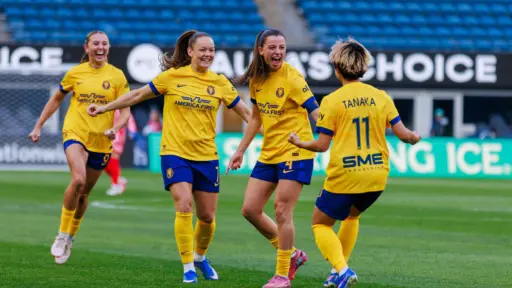
From the bottom of the table to the top: The story of the 2026 Utah Royals
In 2024, two new clubs joined the NWSL as expansion teams. One was brand new and the other, the Utah Royals, was coming back after initially playing in the league from 2018 to 2020. The Royals’ return to the NWSL was not quite the comeback story they were hoping for: they finished their first two seasons in 11th and 12th place in the table out of 14 total clubs, winning 13 of 52 games across those two years.