First & Records

Who leads the NWSL in top statistical categories?
The 2026 NWSL season is entering the home stretch. Who are the top players in key statistical categories at this point in the year?
Not just Putellas: Seven WSL transfers to watch this season
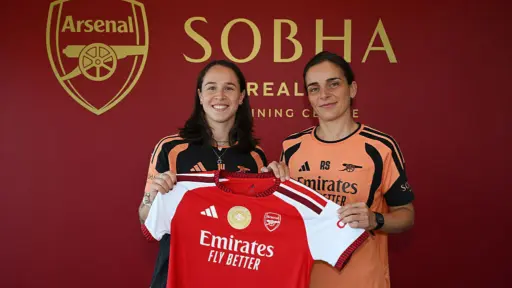
The English WSL kicks off on 4 September, and we are looking forward to this season more than ever. The transfer window may not be over yet, but there has already been no shortage of wild moves this summer. And it is not just Alexia Putellas joining London City Lionesses. Take a look at our selection of interesting transfers. We are curious to see how these players will fare at their new clubs.
League starts are just around the corner. Let's remind who ruled last season?
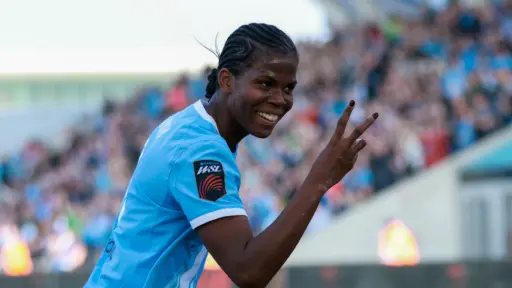
In the USA, the season already started in February, but in the other top leagues, the start of the new campaign is still ahead of us. Before a season full of new stories begins, let’s take one last look back at the previous one. Which players made the biggest goal contribution?
The most expensive signings of the summer? Two record-breaking players are heading to Liga F
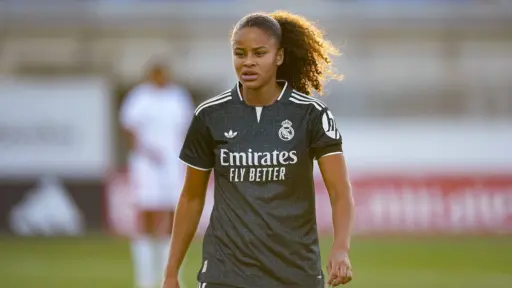
The transfer window is still in full swing, and women's footballalready witnessed some big moves. Alexia Putellas to London City Lionesses, Katie McCabe to Chelsea, Georgia Stanway to Arsenal. But this summer has also been interesting from a financial perspective. Real Madrid invested in young talent Felicia Schröder, while Barcelona put their faith in experienced Kerolin.
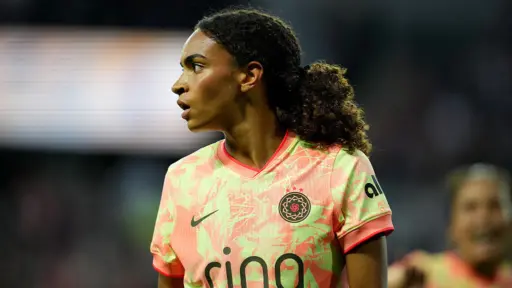
Veterans and the newbies. How the latest NWSL transfers are hoping to improve their new teams
The NWSL took a month-long break in June while the 2027 FIFA Men’s World Cup took over stadiums and training grounds across the country. Many clubs saw this hiatus as an opportunity to improve their squads as they signed new players from both inside and outside of the league. How will some of these acquisitions impact their new teams?
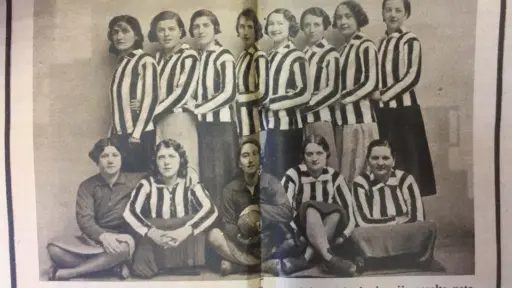
When football belonged to men only: The moving story of Italy's first female footballers
In the summer of 1932, several young women from Milan were spending their vacation near Livorno. As die-hard football fans, they began playing football for fun on a small field near the beach. What started as a simple vacation pastime gradually gave rise to a bold idea: to found the first women’s football club in Italy.
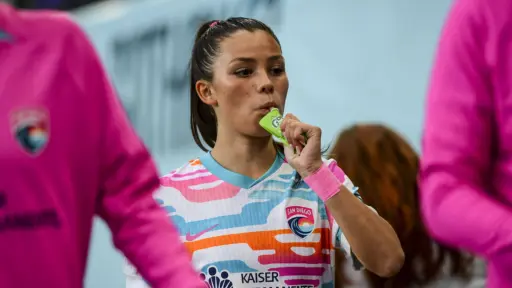
Blessing from Alex Morgan? Melanie Bárcenas got her idol's jersey. Then she broke the record
She was born in California, wears a pink headband, is a striker and celebrates her goals by making the gesture of drinking tea. And no, it’s not Alex Morgan. Her name is Melanie Bárcenas and from a very young age she has begun to break records and set new milestones in women’s football.
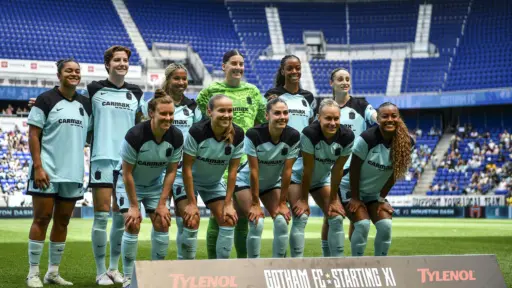
Beating the retirement league allegations. Can the NWSL attract top international talent?
As the first country with a fully professional women’s football league, the United States is no stranger to attracting top talent from abroad. With the development of women’s football overseas, the landscape has changed as other leagues have emerged as attractive destinations for top talents. Today, the narrative often goes the other way, as many top talents from the NWSL have left for European leagues in recent seasons.