‘They Weren’t Even Professionals’: The Legacy and Future of Women’s Football Milestones
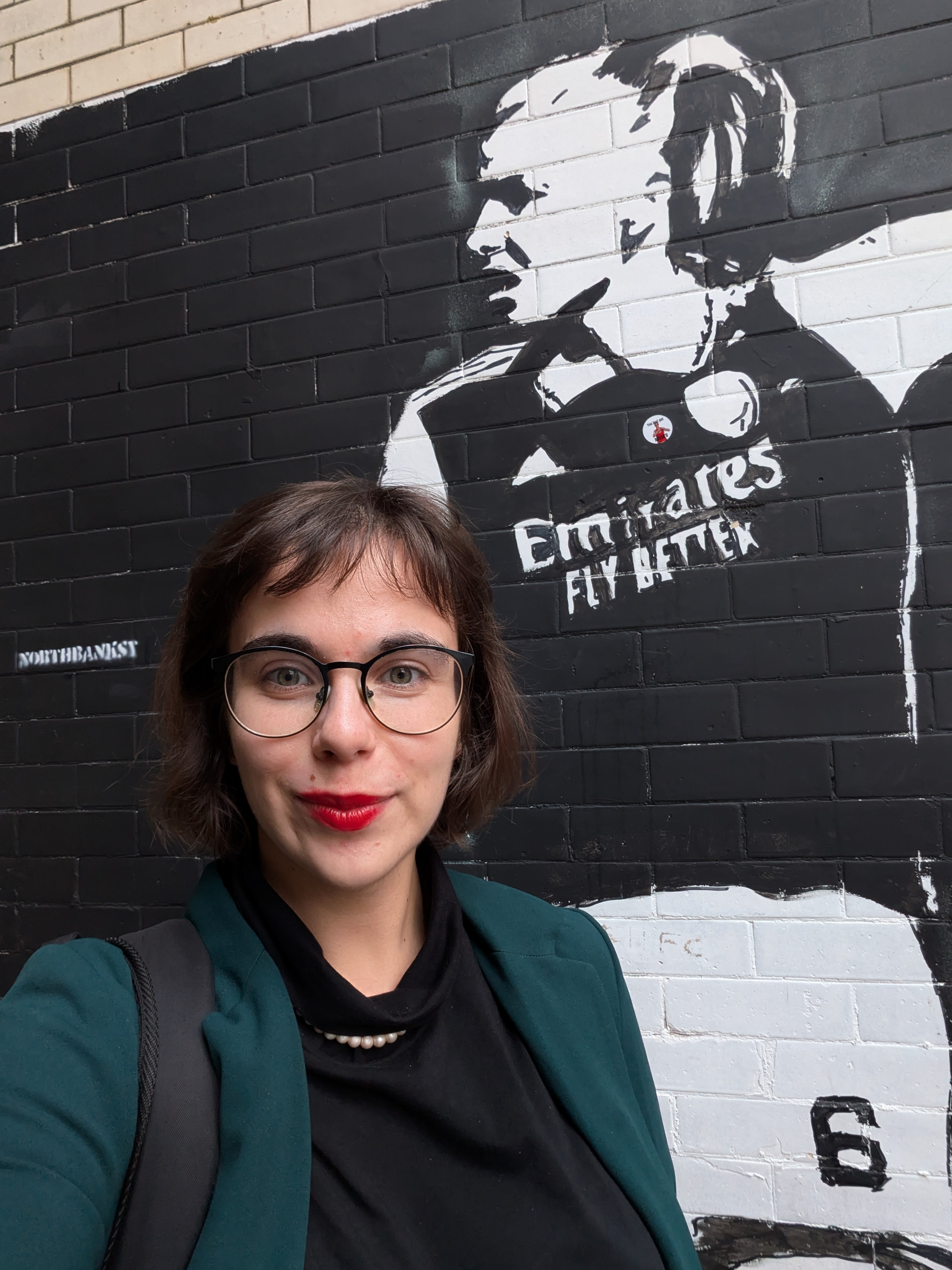
Our focus this April is on equity and equal opportunity—a conversation that remains at the very heart of women’s football. All too often, the women’s game is viewed solely through the lens of its male counterpart, ignoring a fundamental truth: the starting lines were never the same.
As Alexia Putellas recently pointed out with stinging clarity, men were competing on the World Cup stage while women were still fighting for the right to vote. Below, we examine the defining milestones that shattered barriers and shaped the modern era of the women’s football.
The Long Road to Professionalism: A Tale of Two Realities
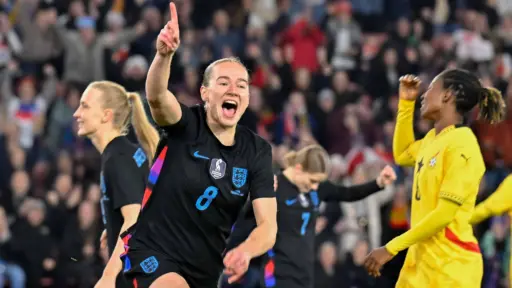
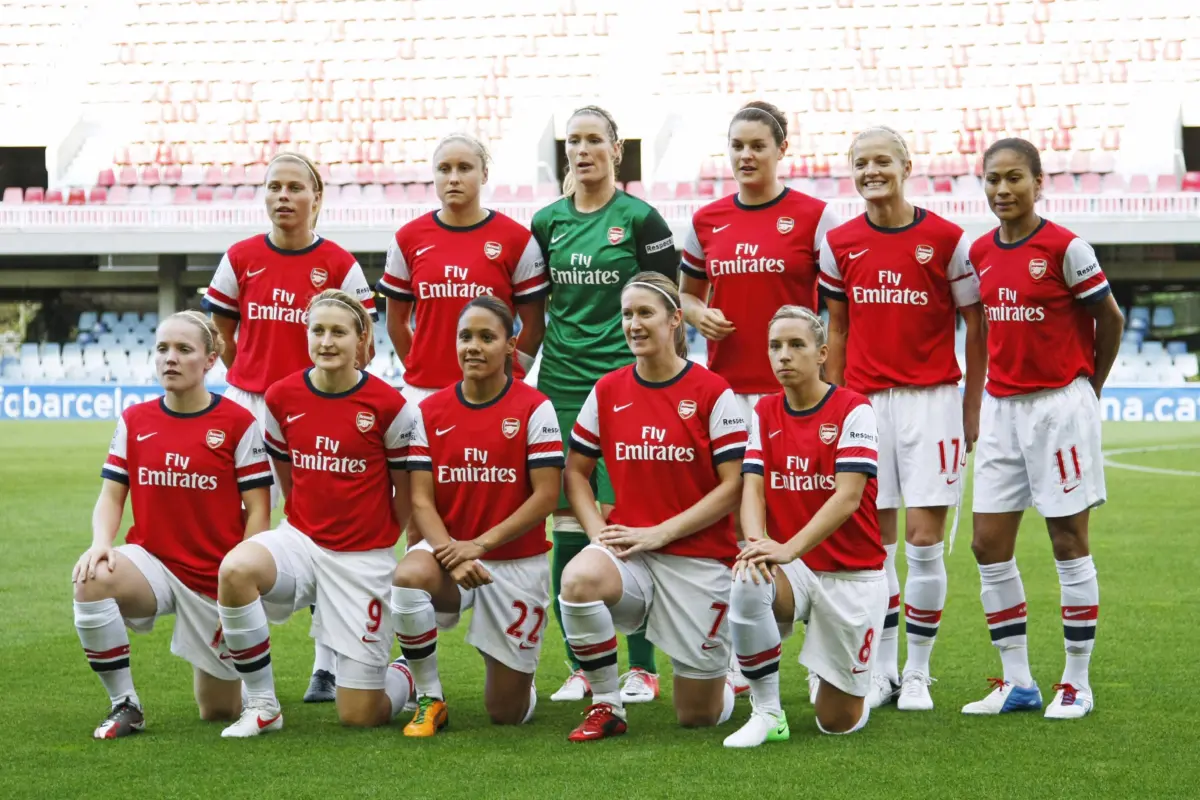
The sheer scale of progress is best measured by those who lived through the era of "making do." In the interviews with Queenballers, England pioneers Sue Smith and Lianne Sanderson recalled a startling reality: when they stepped out for the European Championship final in 2009, they were still technically amateurs.
Smith’s recollections paint a vivid picture of the pre-professional grind. Her teammates weren't just footballers; they were teachers and firefighters. It wasn't uncommon for a goalkeeper to finish a grueling Saturday night shift at the fire station only to lace up for a top-flight league match on Sunday afternoon.
Check our interview with Sue here
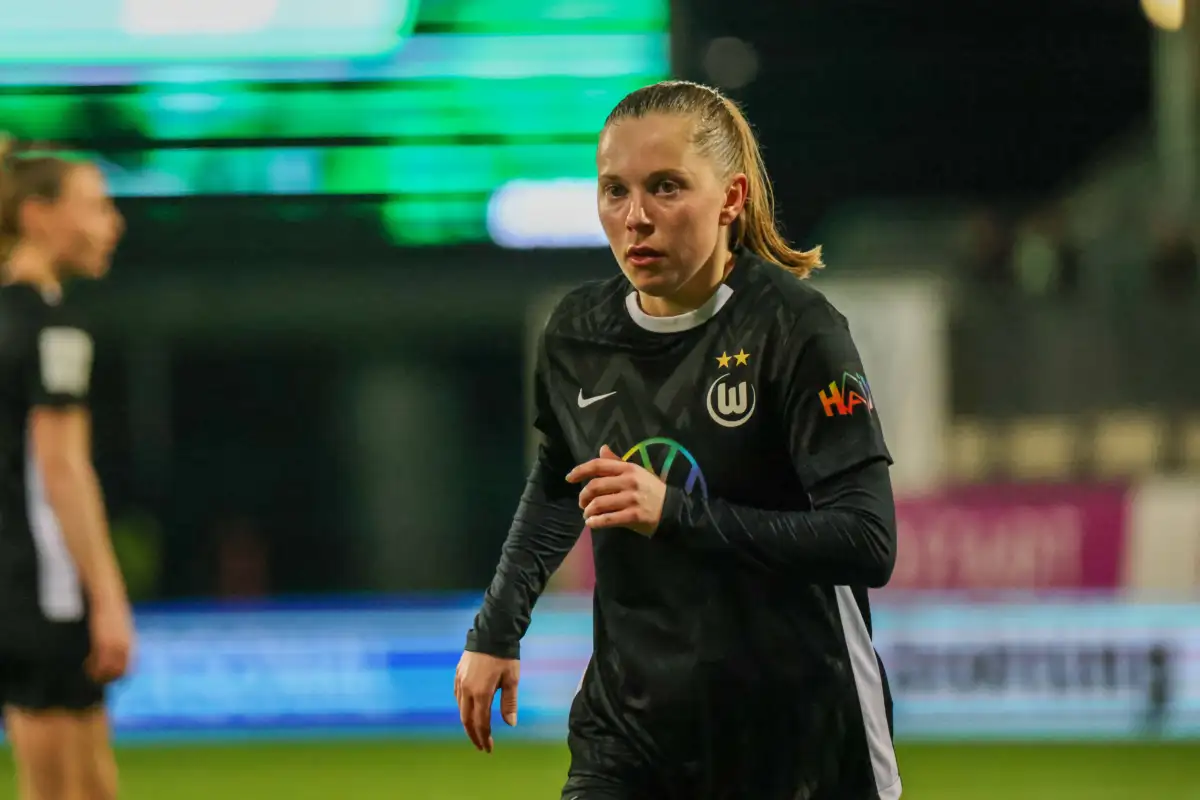
Fortunately, that era is a relic of the past for the Women’s Super League (WSL). Since transitioning to a fully professional model in the 2018/19 season, players have been afforded the luxury of a single focus. However, England was late to the party compared to the United States. The WUSA (the predecessor to today’s NWSL) established a professional blueprint as early as 2001—over a decade before the current American top flight took its permanent shape in 2013.
Yet, while England looks back, much of Europe is still catching up. The Vrouwen Eredivisie in the Netherlands has carried a professional label since 2007, but the reality on the ground remains fractured; salary structures and the ability to earn a living wage vary wildly from one club to the next.
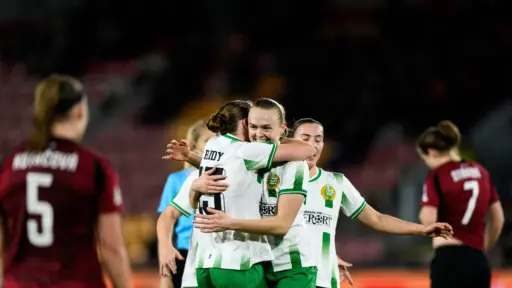
Further East, the landscape becomes even more complex. In the Czech Republic and Poland, leagues remain stubbornly semi-professional. Of the eight teams in the Czech top flight, only the Prague based teams—Sparta and Slavia—operate on a professional level.
Poland finds itself at a similar crossroads. The Polish FA (PZPN) has been ramping up pressure to professionalize, fueled by ambitions to host major tournaments. Following their Euro 2025 campaign and a bid for the 2029 championships (which ultimately went to Germany), the governing body is looking toward the 2026/27 season. A new licensing system is expected to overhaul player status, aiming to move away from the part-time contracts that still dominate the Ekstraliga.
The milestones are being met, and the barriers are falling, but as these contrasting realities show, the journey toward true global equity is far from over.
The USWNT and their fight for equal pay
It was a crusade famously captured in the 2021 documentary LFG, but the roots of the rebellion stretch back to 2016. That year, five titans of the sport—Megan Rapinoe, Alex Morgan, Hope Solo, Becky Sauerbrunn, and Carli Lloyd—filed a formal complaint that would change the landscape of the game forever.
Their grievance was as simple as it was damning: the U.S. Soccer Federation was funneling significantly higher compensation to the men’s national team, despite the women’s side being the undisputed engine of the sport’s success. At the time, the USWNT were the reigning World Champions, consistently outperforming a men's squad that struggled to match their global dominance, let alone their commercial appeal.
It wasn't just a dispute over bonuses; it was a public reckoning over how value is measured in football. The message from the "Famous Five" was clear: excellence should not be discounted because of gender. These five players are the legends of women's football now. Not just because they are amazing players but because they refused to be silenced.
Read Carli Lloyd's essay Why I'm Fighting for Equal Pay here
Ballon d'or Féminin
It may sound surprising, but full parity across all Ballon d’Or categories was only achieved in 2025. Alongside the women’s Ballon d’Or, awards were also presented for Best Young Player (Vicky López), Best Goalkeeper (Hannah Hampton), Women’s Team of the Year (Arsenal WFC), and Best Women’s Coach (Sarina Wiegman). For the first time, a woman was also honoured with the Gerd Müller Trophy — awarded to Ewa Pajor for the 2024/25 season.
It marked the first time women were recognised across the same categories as men. The women’s Ballon d’Or itself was only introduced in 2018, with Ada Hegerberg becoming the historically first laureate.
This represents a significant milestone in both the perception and the continued growth of women’s football.
One Club' Mentality: The Arsenal Blueprint
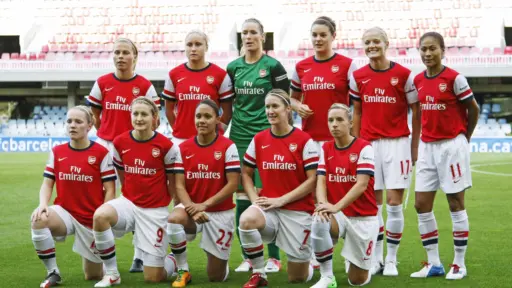
The standard for institutional integration was set in North London. Ahead of the 2024/25 campaign, Arsenal made a landmark decision: the Emirates Stadium would become the primary home for the women’s team, placing them on equal footing with the men’s side. This wasn't just a change of venue; it was the final realization of a "One Club" mentality. By sharing the same elite training facilities and the same iconic turf, Arsenal effectively erased the "B-team" stigma, cementing the women's squad as a core pillar of the club’s identity.
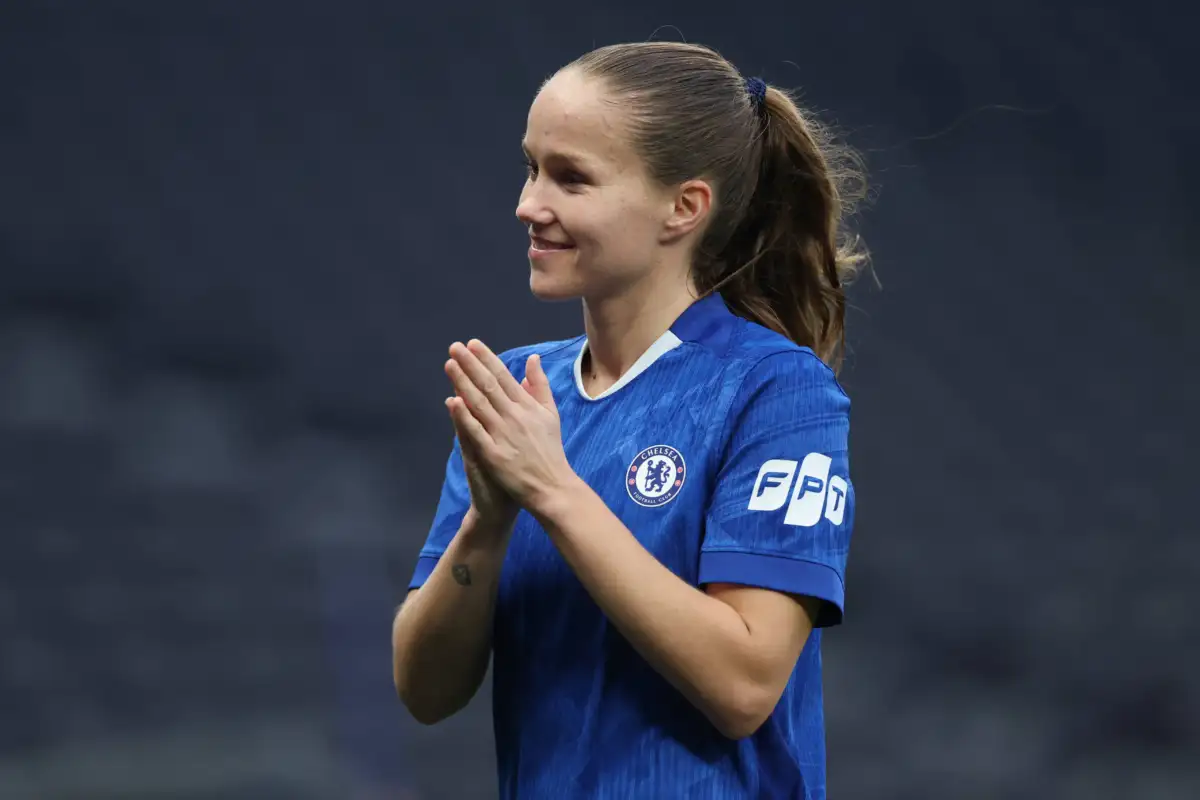
The data suggests that if you build it—and market it properly—they will come. Arsenal WFC now commands a league-leading average attendance of 36,450. The gap between them and the rest of the league is staggering; Chelsea, despite their domestic dominance and Treble-winning pedigree, average just 9,806 fans.
Perhaps most impressively, Arsenal has proven that "big stadium" energy isn't reserved for Champions League nights or high-stakes derbies. When West Ham—a side struggling at the foot of the table—visited the Emirates, 24,711 fans were in the stands. To put that into perspective, that figure outperforms the average attendance of four current Premier League men's clubs.
From bespoke merchandise lines to stadium permanence, Arsenal is no longer just "supporting" women’s football; they are integrating it into the club's commercial and emotional DNA. It is a transformation that deserves its own deep dive—and we will be exploring the business behind their branding in a forthcoming feature.
Editor’s Note: This story is part of our April series on Equity and Opportunity in women's football. As the financial landscape of women’s football shifts from a "charity case" to a global powerhouse, we examine the structural milestones—and the persistent barriers—that define the modern era of the game. But sadly, Arsenal's case is still more of an exception than the norm.
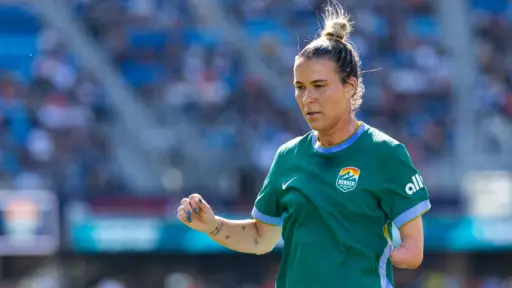
Women's football as a whole still has a long way to go. While some teams are selling out large stadiums, in others the players don’t even have their last names on their jerseys.
Hot news