The First Swede at Barça: How Fridolina Rolfö Became a Champions League Hero
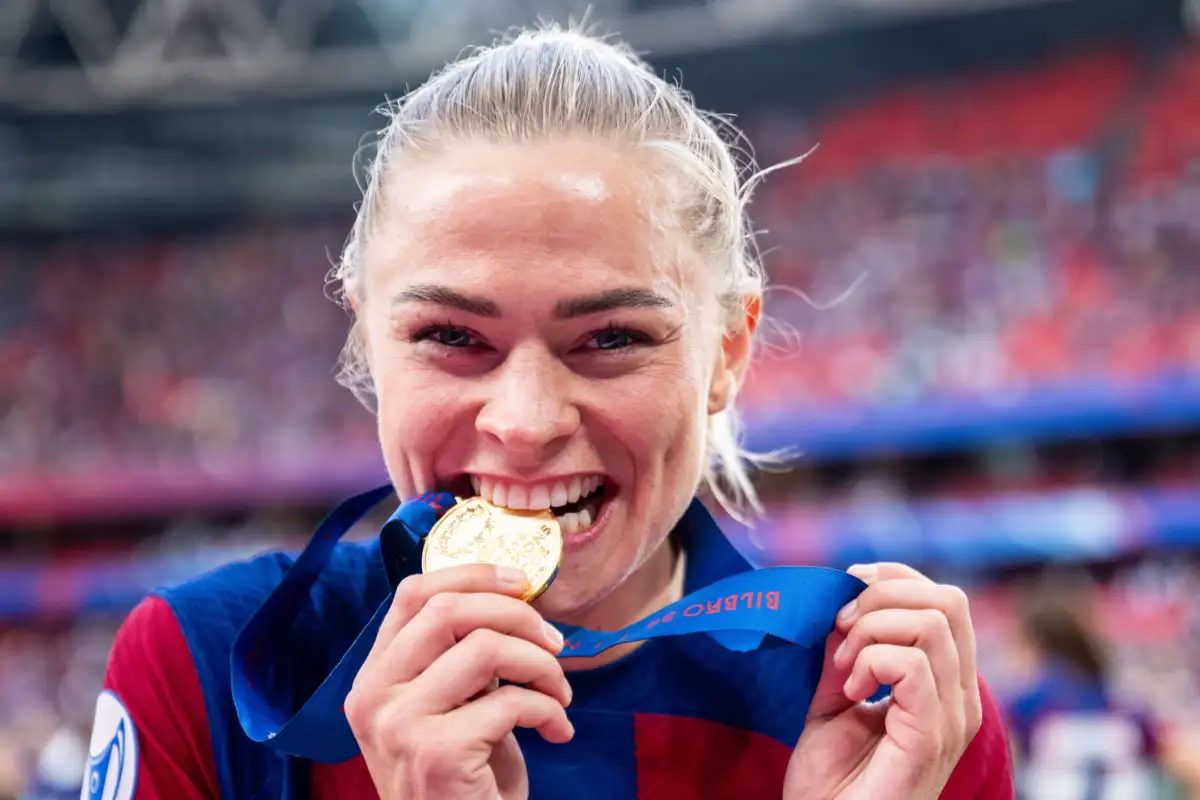
It is June 3, 2023. Eindhoven is hosting the UEFA Women’s Champions League final: the most prestigious stage in club football.
On one side stand Barcelona, wounded by defeat in the previous year’s final and determined not to relive that disappointment. On the other, Wolfsburg, the German powerhouse whose last European triumph came in 2014 — a wait that has begun to feel far too long.
Wolfsburg make the brighter start. By half-time, they hold a two-goal lead and head into the dressing room with composure and belief. But in a final, 90 minutes can feel like an eternity and anything can happen.
It does.
Just after the restart, Patri Guijarro strikes twice in the space of two minutes, dragging Barcelona level and resetting the contest. Suddenly, it is anyone’s game. As the clock ticks down, the Catalan side can call upon stars such as Aitana Bonmatí and Mariona Caldentey. Players capable of deciding the biggest occasions.
Yet the decisive moment does not fall to a Spaniard.
Unexpected hero
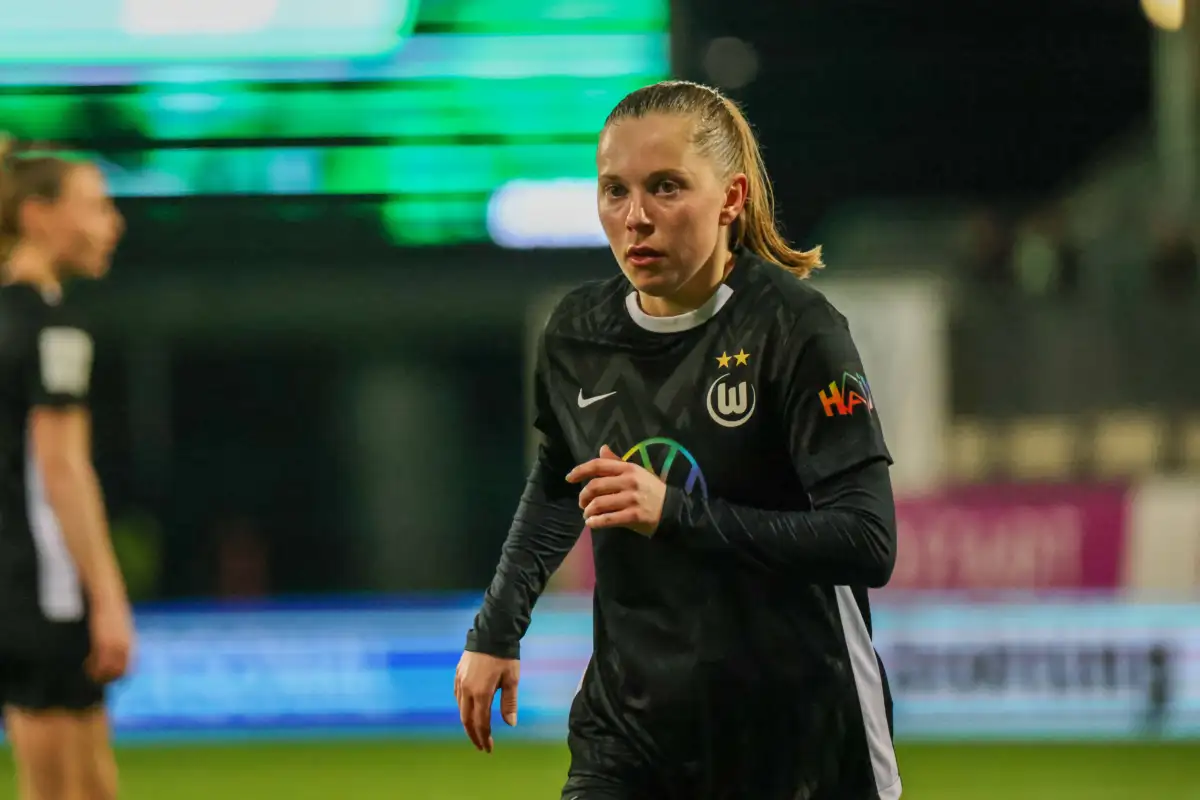
Instead, it is a tall, blonde Swede, a former Wolfsburg player, who writes the final chapter. In the 70th minute, Fridolina Rolfö finds the net against her old club, sealing the comeback and etching her name into Barcelona folklore.
In a Barcelona side packed with Spanish stars, many of whom would go on to become world champions just months later, it was a Scandinavian who decided the biggest game of all. And Fridolina Rolfö was never a supporting act in Catalonia. Across four seasons, she scored 27 goals in 77 league appearances and carved out her own place in the club’s history.
She also became the first Swedish female player ever to represent Barcelona, a milestone that underlined both her quality and her trailblazing role.
Rolfö’s story began on November 24, 1993, in Kungsbacka, Sweden. She grew up alongside her older sister Daniella, who first introduced her to football. As is common in Sweden, Rolfö balanced multiple sports in her youth and was also an accomplished handball player before ultimately choosing football.
Her senior career started at Jitex, before a swift move to Linköping, where she experienced the club during one of its most successful eras. Future stars such as Pernille Harder, Stina Blackstenius and her close friend Magdalena Eriksson all passed through the squad during that period.
From Bank to Champions League
In the early years, Rolfö supplemented her income with a job at a bank — a reminder of the financial realities of women’s football at the time. But as both the game and her own career accelerated, full-time professionalism followed. A move to the Bundesliga came next: first Bayern Munich, then Wolfsburg, where she gained invaluable experience and made her first appearances in European competition. With Wolfsburg, she reached the Champions League final for the first time, though victory eluded her on that occasion.
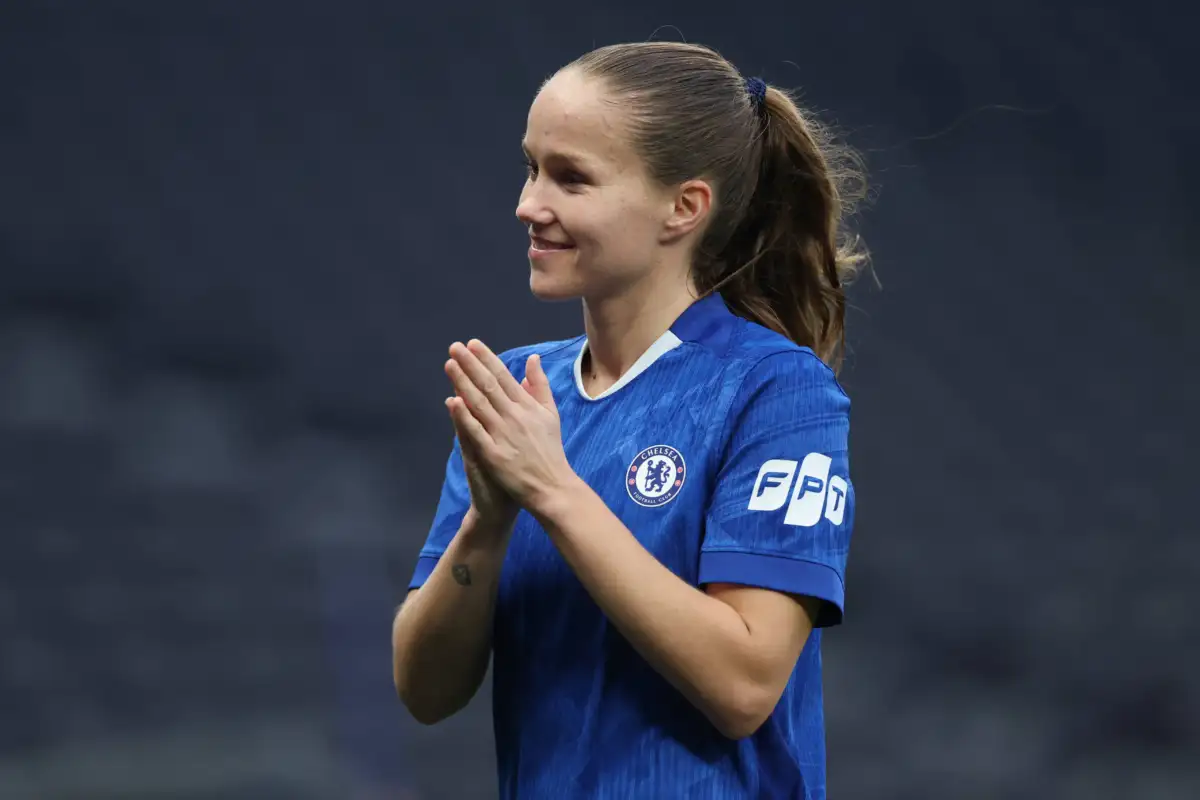
Barcelona soon came calling, arguably the ultimate destination in the modern women’s game. By signing for the Catalan giants, Rolfö became the club’s first-ever Swedish female player. During her time there, she won numerous honours, including two Women’s Champions League titles, scoring the decisive goal in one of those finals, and was twice named Sweden’s Player of the Year.
Her spell in Barcelona brought silverware and defining moments, but it ended on a bitter note. In the summer of 2025, due to financial issues, the club terminated several contracts, including Rolfö’s, while she was recovering from injury during the European Championship.
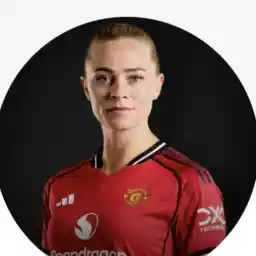
She did not remain without a club for long. A move to Manchester United offered a fresh chapter, playing in Europe's the most competetive league and once again she found herself competing in the Champions League, quickly establishing herself as a key figure in the squad.
Hot news