From refugee camp to surgeon and football star: the story of Nadia Nadim
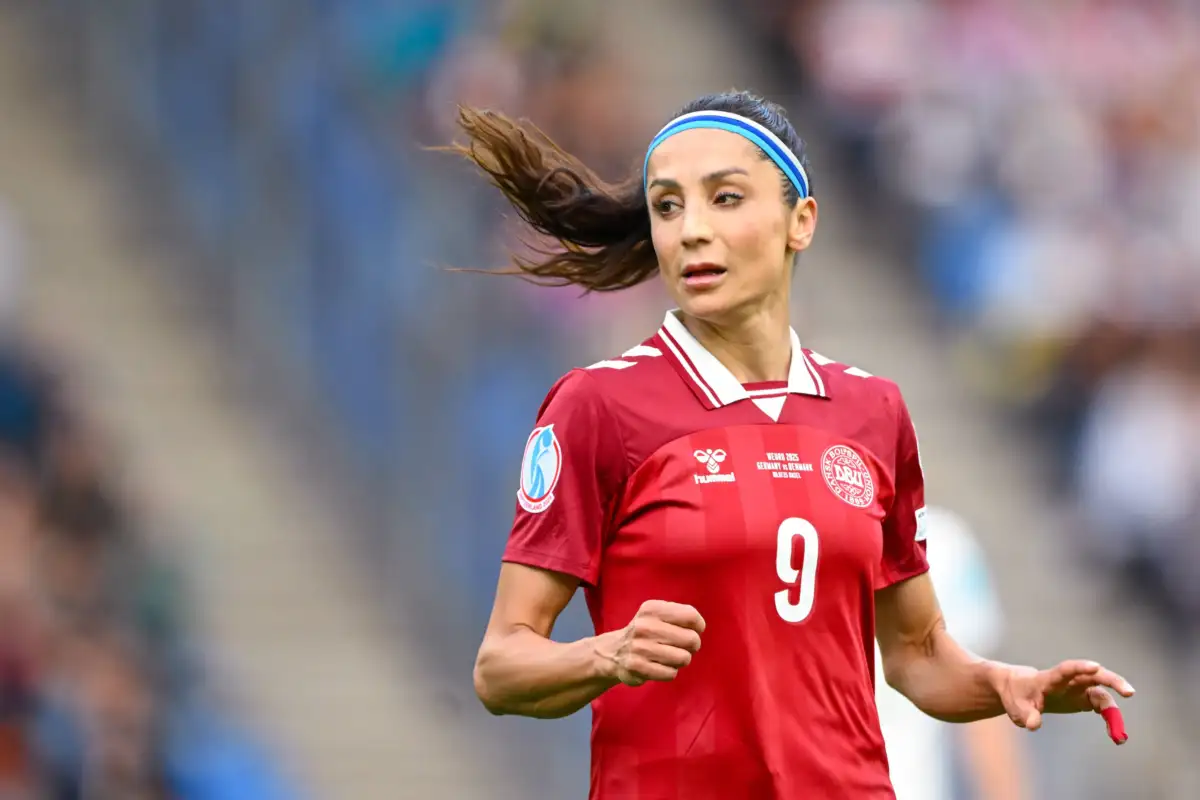
Today’s story feels like something out of a reportage book by Åsne Seierstad. Just like in the Norwegian journalist’s work, this is no fictional tale — even if it reads like one. Footballer Nadia Nadim is not only a professional athlete, but also a qualified doctor. Her journey to the pitch led through refugee camps.
Time and again, stories from football — not just the women’s game — have shown that it is much more than just a sport. With little more than a ball, the game can be played almost anywhere - no matter if you are poor or rich, black or white, which is why it has become the most popular sport in the world. It brings joy even to places where there is very little of it — like refugee camps.
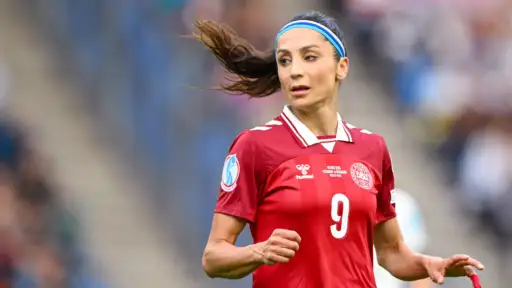
That’s where Nadia Nadim’s football journey began. The Danish international, who has played for clubs such as Paris Saint Germain and Manchester City, discovered her passion for the game in a place marked by fear of war and the pain of displacement. And alongside her football career, she also became a doctor.
Her story began in 1988 in Herat, a city in western Afghanistan. Her family, with five daughters, lived a relatively comfortable life back then — her father was a general in the Afghan army. Everything changed when Nadia was nine years old. Her father was killed by the Taliban, forcing Nadia, her four sisters and their mother to sell they had and flee the country. Her mother knew her daughters would have no future there.
Fate in the camp
Women in Afghanistan were denied basic rights, including access to education. Using false passports, the family managed to reach Europe — first Milan in Italy, then a refugee camp in Denmark, where they spent nine months. It was there, among other children, that Nadia first discovered football — a game she would never have been allowed to play in her home country.
She later described it as fate. Right next to the refugee camp was a football pitch, where she and other children would watch local kids train. For the first time, Nadia saw something entirely new — girls playing football. While the women’s game was still in its early stages in many countries in the mid-1990s, Denmark had already begun to embrace it, with its national team achieving early success on the international stage. It was a powerful reminder of how much representation matters.
Nadia was captivated. She longed for the freedom and joy she saw on the pitch. Even though she and the other children didn’t yet speak Danish fluently, football became a universal language they all understood. And that made all the difference.
First in Denmark
That moment would shape her future. Nadia went on to become the first player with a refugee background to represent Denmark at international level — in both men’s and women’s football pathways combined.
But her story is remarkable not only because of where she came from, but also because of who she became. Alongside a successful football career — which included spells at Manchester City and PSG — she pursued a medical degree. Her motivation was clear: to help people like she once was. Teh refugees.
In 2022, she achieved that goal, qualifying as a doctor, specialising in reconstructive surgery. By then, she had already won titles in the United States and France, and became Portland Thorns' best goalscorer in the 2016 season. On the top of that, she reached the final of Euro 2017 with Denmark. Although they lost to the Netherlands, Nadia had already achieved something extraordinary — something that once seemed unimaginable in a refugee camp.