I came for a game, I found Bajen. Story of how women's football can be more than sport
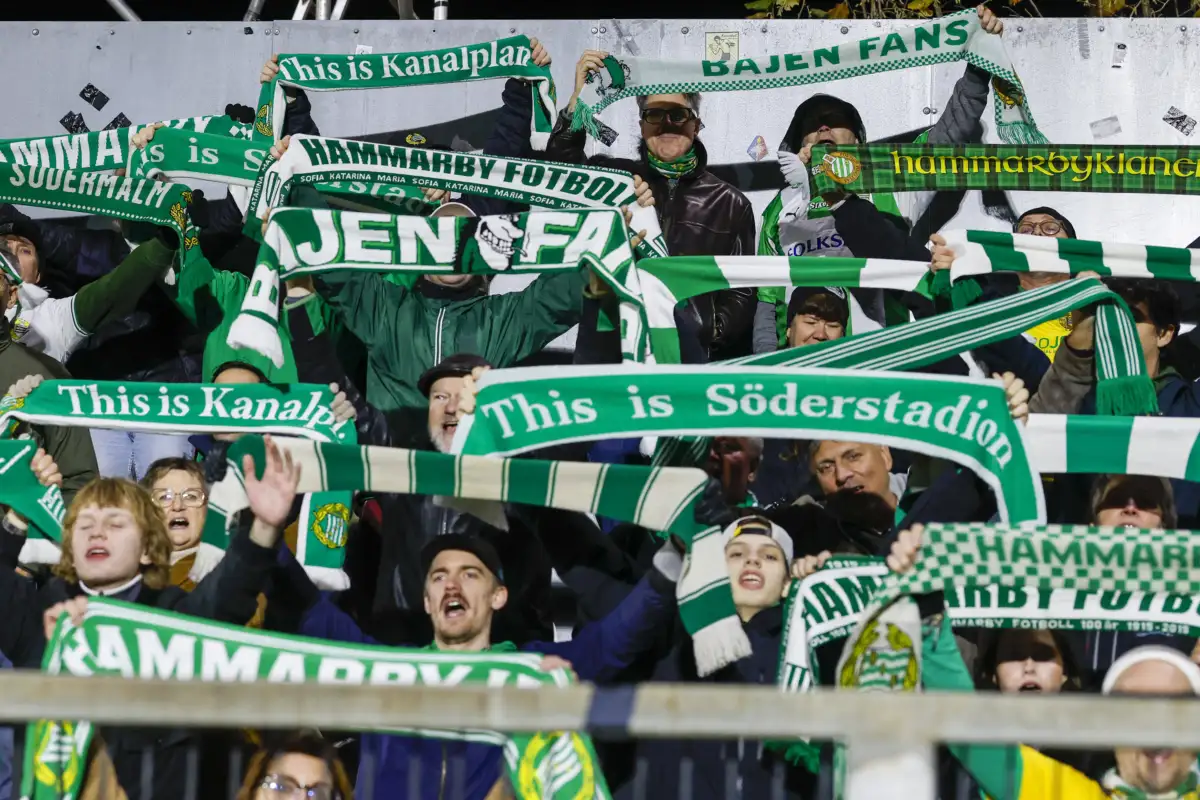
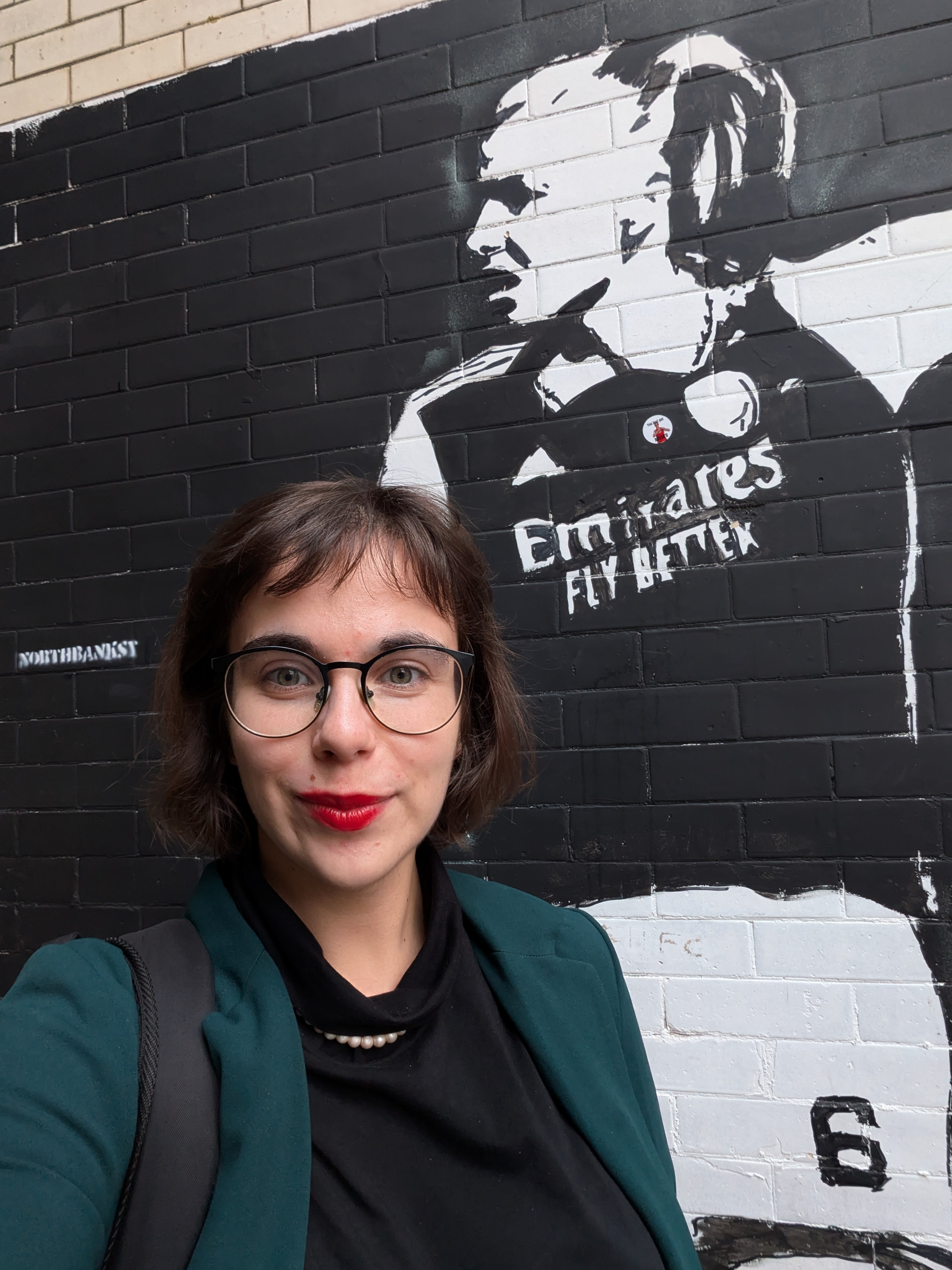
Today’s Off the Pitch comes in a slightly different format than you might be used to on Queenballers. This time, we’re turning the spotlight on the Bajens — the fans of Stockholm-based club Hammarby. And since I am one of them, it only feels natural to tell their story from my own perspective.
I’ve been an Arsenal fan since I remember. Even though I’m not from London — not even from England — this club captured my heart long before I discovered women’s football. But names like Alex Scott or Leah Williamson deepened that connection and Arsenal women's team are my #1.
On a local level, in the Czech league, I never really had a favourite. Maybe it’s because I come from an ice hockey city. Or because, even as a football lover, I never really followed the Czech league — my focus was always on the Premier League.
That changed when I moved to Sweden for my studies — to Stockholm, a city I quickly fell in love with. It was there that I discovered the Damallsvenskan, and more specifically, Hammarby.
In the summer of 2024, I arrived in Stockholm to study at one of the city’s universities. By then, I had already been learning Swedish for four years and was excited to explore the state of women’s football in the country. I knew it was popular — after all, Sweden had won bronze at the Women's World Cup just a year before. And my own love for the women’s game had truly begun during the Tokyo Olympics, where Sweden took silver.
The club I didn’t expect to love
I was also hoping to find a community of Swedes — people I could regularly practise my Swedish with and who could show me the country beyond the expat perspective. As it happened, Hammarby qualified for the Champions League that same year. I was thrilled to have the chance to experience it in the very city I was living in.
From the very beginning, it was clear that Hammarby had an incredible fanbase. Even though Stockholm is home to three major clubs, it was Hammarby supporters I saw everywhere, proudly wearing their colours. And from my very first match, they welcomed me in. It didn’t matter that I was a foreigner or that my Swedish carried an accent. When you are here, in the stands, you are one of us.
On my way to the stadium, I struck up a conversation with a group of fans. When I told them I am girl from Prague, who had just arrived in Stockholm, and this was my first game, one of them grabbed my shoulders and said: “This club is my whole life.” Just like that, they took me under their wing. One handed me a green-and-white flag, another pulled up the lyrics to the club anthem on his phone so I could sing along before kick-off.
I remember thinking — first game and already in the ultras section? Why not. And that’s how a girl from Prague fell in love with a club from Stockholm.
Only later did I realise just how rare this kind of passionate support is in women’s football — even in Sweden, a country that has produced stars like Caroline Seger, Stina Blackstenius and Magdalena Eriksson. What Hammarby has stands out.
Little Stockholm in Manchester
The wider football world noticed it too, especially during Hammarby’s away game against Manchester City. Neither the players nor the home fans quite expected the away end to fill up — but that’s exactly what happened.
Hundreds of Bajens took time off work in mid-November to travel over 1,400 kilometres to Manchester and support their team in a Tuesday night clash. And they didn’t stop for a second — backing their players from start to finish, even as Hammarby fell to a 2:0 defeat.
A month earlier in Barcelona, despite a heavy 9:0 loss, the Bajen faithful still managed to outsing the home crowd, turning parts of the Catalan capital into a little piece of Stockholm.
That’s what made the return leg in Stockholm in mid-December even more special to me. It was the final game of the group stage, and Hammarby were already out of contention for the knockout rounds — but you wouldn’t have known it from the stands. The chants never stopped, the support never faded. Even in a 3:0 defeat, the applause and belief were constant.
I remember thinking during that match how grateful I was to have found this club — and to be part of it, even in my own small way.
Why is no one singing?
But you might be wondering: where does this come from? Yes, Sweden is a country where women’s football is supported. But this level of loyalty and noise? That’s still far from the norm in the women’s game.
The answer can be found right in the stands — more specifically, in the story of Simon Sandström. More than a decade ago, he took his daughter to a women’s match. She loved going to the men’s games with him, but the atmosphere at the women’s match left her disappointed. “Dad, why are there no drums? Why is no one singing? This is boring,” she asked. Sandström felt the same — and decided to change it.
Together with his friend Ulf Stenback, he founded Bajenkompaniet, a supporters’ group dedicated to the women’s team. Their goal was simple: bring more people to the games and create a real atmosphere. At matches, they climbed onto the fence, armed with a drum and a megaphone, leading the same chants they knew from the men’s games. It worked — more and more Bajen fans began to join in.
It didn’t stop at home fixtures. Before long, Sandström and Stenback were organising pre-match meet-ups, creating new chants and choreographies tailored specifically to the women’s team, and planning away trips.
The club soon took notice and decided to support their efforts, helping to connect fans of both the men’s and women’s teams through shared activities and projects beyond the pitch. As attendances grew, sponsors who had initially backed only the men’s side began to support the women’s team as well, opening up new opportunities for the players.
Simon Sandström’s story offers a glimpse of what the future of women’s football could look like — if both fans and clubs are willing to invest in it. And signs of that progress are already visible elsewhere: official club channels now regularly promote women’s matches, and clubs are increasingly hosting women’s derbies in main stadiums — something we’re beginning to see even in countries where the women’s game is still developing.