After the collapse: Frida Maanum, mental health and the pressure of the modern women's football
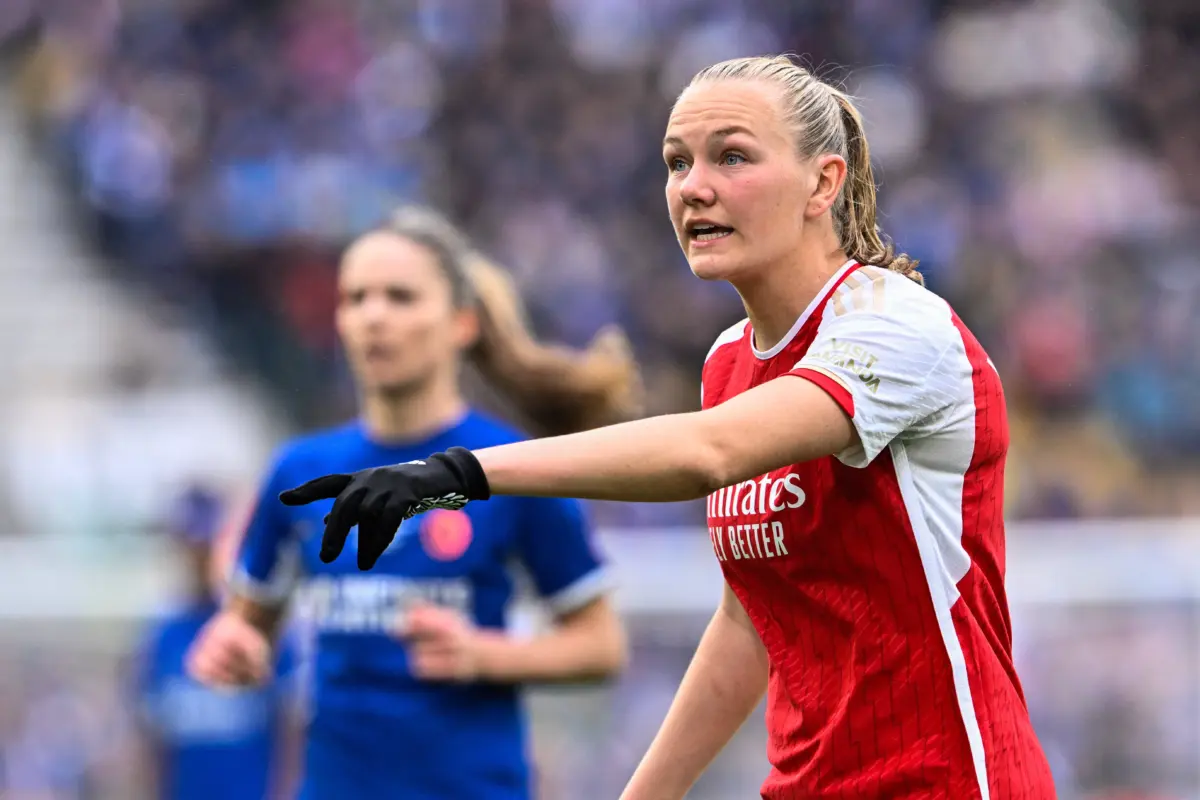
One of the most anticipated and emotionally charged matches of the 2023/24 season was heading towards extra time. Arsenal and Chelsea, two city rivals, were facing each other in the Women’s League Cup final. After 90 goalless minutes, ten additional minutes to an extra time were added on. Why? A player had collapsed on the pitch.
The incident opened up an important conversation about mental health in women’s football.
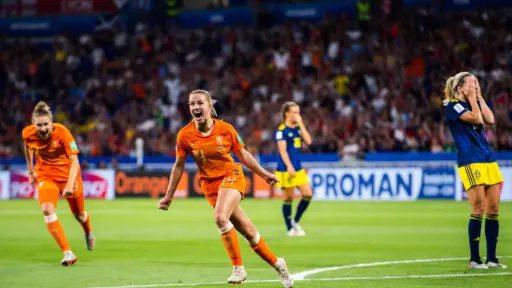
The rapid growth of the women’s game has brought plenty of positives. Long-overdue visibility, packed stadiums, players becoming role models for a new generation. But with that growth comes greater pressure, more media attention and increasingly little room for error. And that can become a serious test of mental resilience.
Everyone handles their internal battles differently, and we never truly know what someone else may be going through. Conversations around mental wellbeing were ignored for years, especially in professional sport, before athletes such as Naomi Osaka and Simone Biles began speaking openly about their experiences. In women’s football, one of the leading voices has become Arsenal and Norway midfielder Frida Maanum.
Happy end
The scenes during the 2024 League Cup final were deeply unsettling. In moments like that, club loyalties disappear. Most people, no matter if they wear red or blue, inside Molineux stadium that day were simply hoping that Maanum, carried off the pitch on a stretcher after collapsing late in the game, would be okay.
Thankfully, the story has a positive ending. Arsenal eventually won the final through a goal from Stina Blackstenius, one of Maanum’s closest teammates. Most importantly, the collapse left no lasting impact on Maanum or her career. She returned to the pitch, signed a new contract with Arsenal a year later, won the Women’s Champions League and represented Norway at Euro 2025.
What the incident did change, however, was Maanum’s perspective. Since then, she has become one of the first prominent advocates for mental health in women’s football. By her own admission, she no longer takes anything in her career for granted. Not even the simple fact that she is able to walk back onto a football pitch.
Following the incident, Maanum took time away during the off-season to process what had happened and reflect on what may have led to it. According to her, Arsenal did everything possible to make sure she was supported both physically and mentally throughout her recovery.
Everything can change in a second
Psychology and mental wellbeing had long been close to Maanum personally. Her sister works as a psychologist, while Maanum herself studies psychology alongside football, hoping to continue raising awareness around mental health after her playing career and help athletes feel supported both on and off the pitch.
The collapse during the League Cup final changed more than just Maanum’s outlook. As she later admitted, it made her realise “how fragile everything could be”. It also influenced conversations around medical preparedness at major tournaments. UEFA has since committed to ensuring that no match begins without the necessary medical equipment and emergency support systems in place for players and supporters alike.
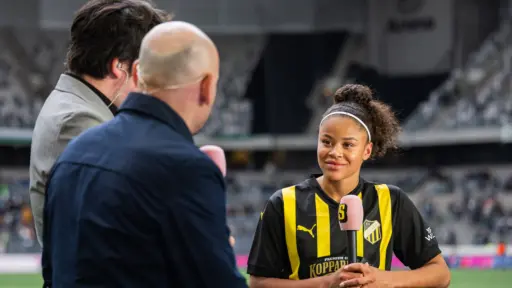
At the same time, conversations around mental health in football continue to grow louder. More players are using their platforms to speak openly about struggles that were once kept private, helping countless supporters feel less alone in the process. Women’s football today is played in front of packed stadiums and global audiences. But perhaps the game’s most important progress is not just its growth in popularity — it is that players are finally beginning to speak honestly about what happens away from the pitch, too.