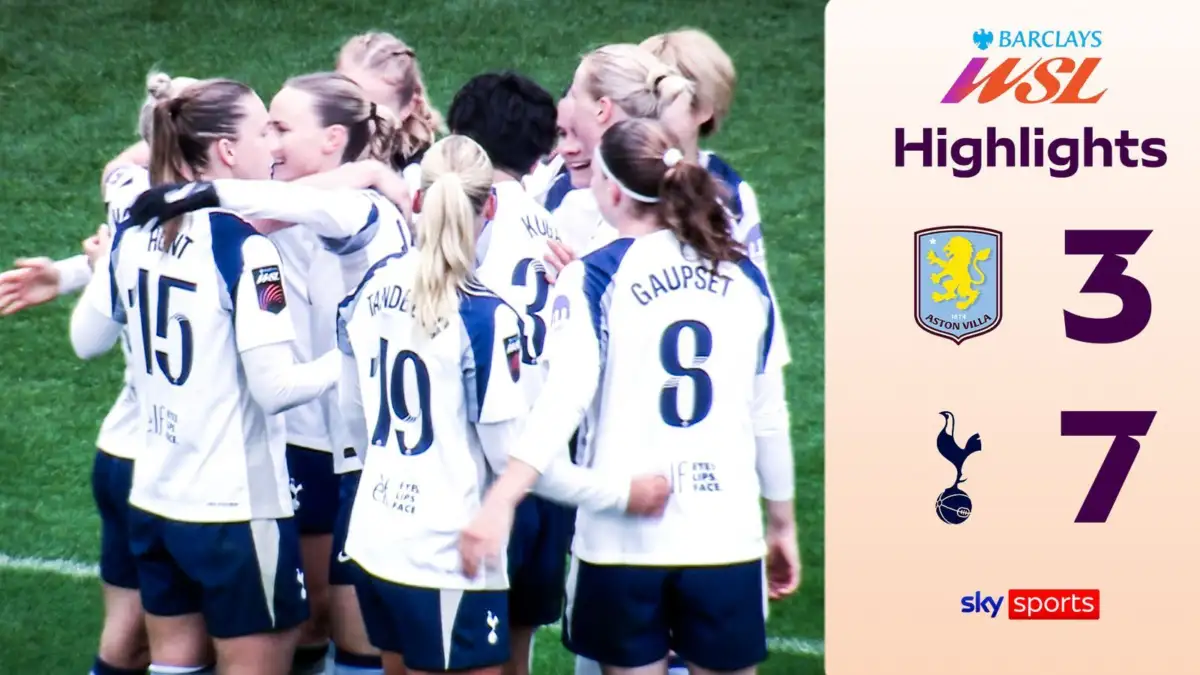
Does the very first Club World Cup run counter to the values that women's football is built on?
In January 2028, the FIFA Women’s Club World Cup will take place, marking a historic milestone for the women’s game. The tournament will feature 16 clubs from across FIFA’s confederations. The host nation has yet to be announced, but Qatar has already expressed interest in hosting the competition. The proposal has drawn attention given that Qatar’s women’s national team is currently unranked by FIFA, has not played an official international match in more than a decade, and operates within a political and social environment that many argue conflicts with the values of inclusion and equality that women’s football seeks to promote.
Women’s football continues to grow, and with that growth comes an expanding international calendar. While national teams have competed at World Cups and European Championships for decades, the club game is also entering a new era. Alongside the long-established and prestigious UEFA Women’s Champions League, new competitions are beginning to emerge, including the UEFA Women’s Europa Cup, which launched in the past season.
Schedue problems (and not only them)
Starting in January 2028, a women’s Club World Cup will be added to the women’s competitions, a tournament that has existed in men’s football since 2000. However, the championship is already raising several questions and concerns.
The first is the timing itself. The tournament is scheduled to take place in January, a time when most domestic leagues are in full swing, and team participation would disrupt the domestic season - a prospect that neither the federations nor the players are happy about.
For example, the English Women’s Super League, currently the most prestigious women’s football competition, runs from September to May, as do the German Frauen Bundesliga and the Spanish Liga F. In addition to the league, there are also domestic and European cup competitions, which also affect the schedules of individual teams. Due to scheduling conflicts, the English WSL has ruled that teams competing in the Champions League will not participate in the League Cup starting next season.
There is also significant debate surrounding the host country itself, which has not yet been officially determined. However, Qatar has expressed interest; the country hosted the 2022 Men’s World Cup, a decision many also considered controversial. Since then, the country has been working to build warm relations with FIFA, which is behind the organization of the tournament. However, it is not yet known whether the host will be selected through a bidding process or not.
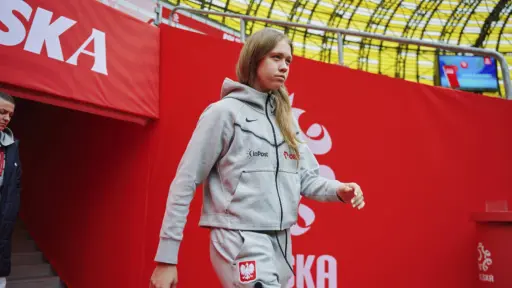
For the women’s tournament, however, the choice is even more controversial. While the World Cup and the European Championship have been hosted by countries with a tradition of women’s football and successful players, such as England, Australia or Germany, Qatar has no such tradition. The Qatari women’s national team was formed in 2009, but it has not played a single match in more than 12 years and does not appear in the FIFA rankings at all.
What's the message?
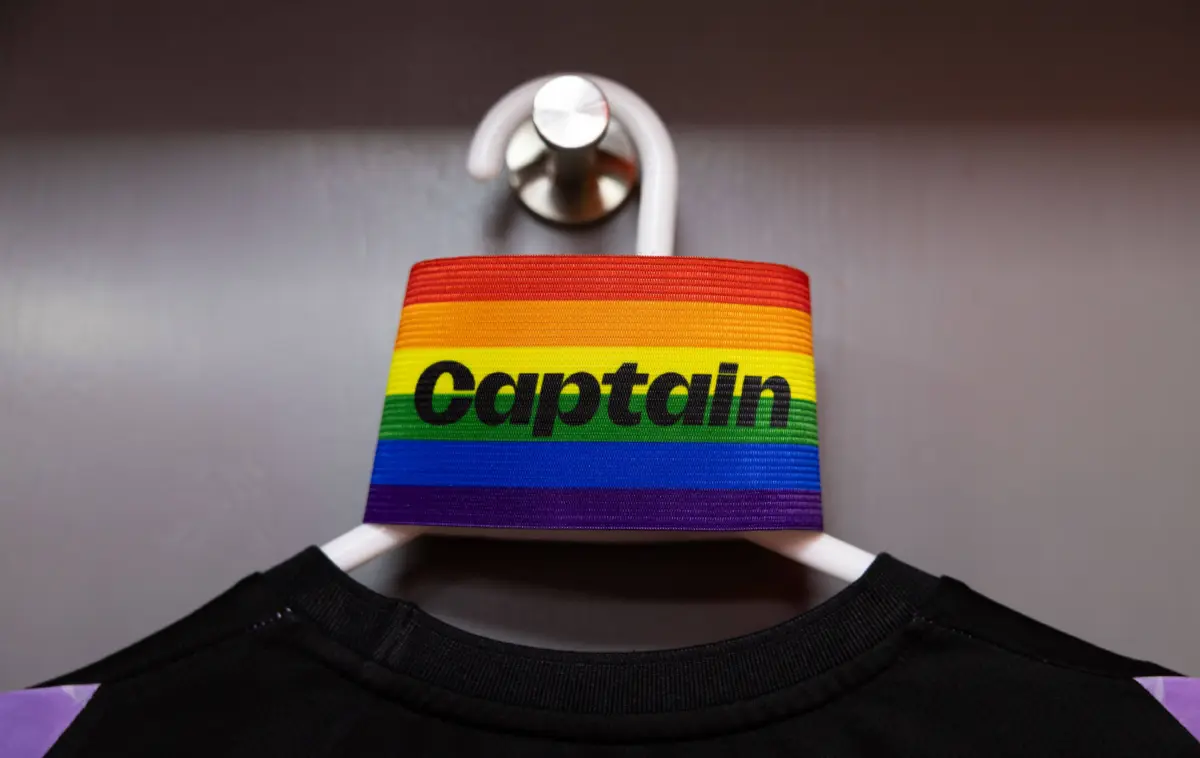
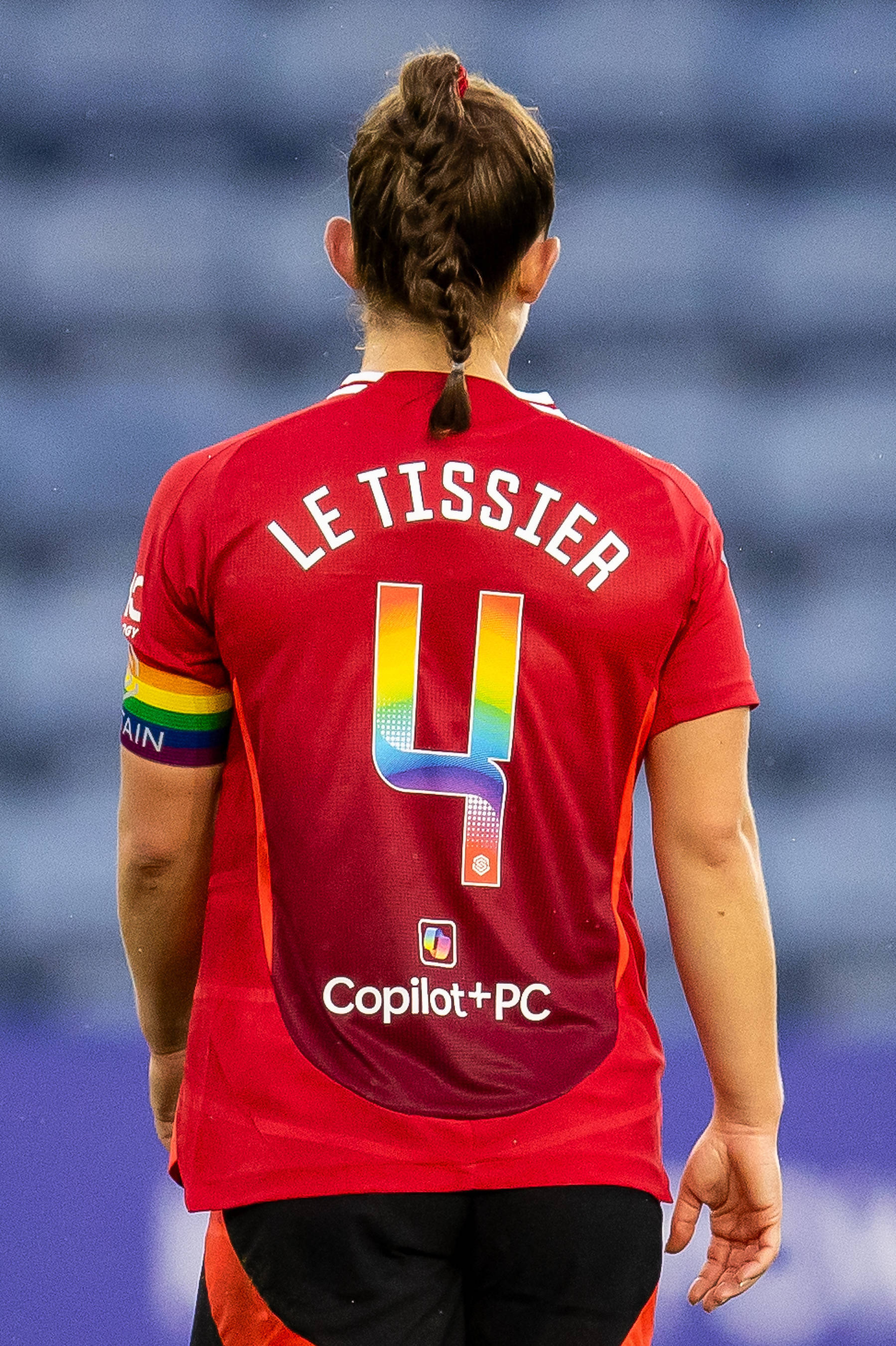
The second obstacle is the country’s stance on LGBTQ rights. Women’s football has a tradition of openness and support for the rights of minority groups, based on the principle that football is for everyone. Many players openly identify as members of the LGBTQ+ community, and team captains wear rainbow armbands as a symbol of acceptance. In England, for example, the sport initially targeted audiences who had not previously followed football, namely young women and queer people. In Qatar, homosexuality is punishable by death.
On the other hand, Qatar’s case is bolstered not only by its completed stadiums, which have already hosted similar men’s soccer events in the past, but also by the pleasant climate the country enjoys in January. Given that FIFA has set the event date for January, acording to The Guardian it is inevitable that the event will take place in the Persian Gulf.
The question, however, is what kind of message hosting the championship in a country where women lack basic rights and homosexuality is punishable by death sends. For years, women’s soccer has presented itself as a sport that can be a home for people whom mainstream society does not accept. Hosting the championship in Qatar would send the message that this may not necessarily be the case. Not to mention that for many female soccer players who openly identify as queer, even participating could be dangerous.