Serie A Women: How high are the salaries in the top Italian league?
While the first organized attempts by Italian women to play football date back to 1932, when a group of female students in Milan began playing the sport, the regime at the time systematically suppressed their efforts. Soon after, the Italian National Olympic Committee (CONI) even banned female athletes from participating in football competitions. Based on the propaganda of the time, women were expected to focus primarily on their roles as mothers and wives, leading to them being discouraged from participating in sports or, at the very least, steered toward sports that society considered more appropriate for their gender.
However, after World War II, the foundations of Italian women’s football began to take shape once again. The year 1970 marked a significant milestone, as Italy hosted the first unofficial Women’s World Cup. Despite this, the status of female footballers did not improve significantly, and the players remained amateurs for decades to come.
The turning point came after the 2019 FIFA Women's World Cup, where the Italian national team advanced to the quarterfinals, eventually losing to the Netherlands. The national team’s success significantly increased public interest in women’s football and accelerated long-overdue reforms. That same year, legislative changes were approved that established a legal framework for the professionalization of women’s football, and in June 2020, the Italian Football Federation (FIGC) announced that the top women’s league would gain professional status by 2022.
Impact of the professionalization of Serie A
Until professionalization took place, all players in Serie A had to navigate very restrictive financial rules. A female footballer’s annual salary could not exceed €30,658, and additional contributions related to, for example, transportation had to adhere to a strict daily limit of €61.97. As a result, most players were forced to combine football with other jobs in order to bring their income up to a reasonable level.
This professionalization, which aimed to provide female players with more appropriate financial conditions and greater stability, established a minimum salary that clubs must guarantee to their players. However, the minimum amount varies depending on the player’s age. While junior footballers between the ages of 16 and 18 are guaranteed a minimum gross salary of €14,397, their colleagues aged 19 to 23 receive €20,263. Players aged 24 and older earn at least €26,664 per year.
Furthermore, the players also receive performance-related bonuses, reimbursement and possible contributions from sponsors. The professionalization package also includes better access to health care, maternity leave and pensions. According to the renowned Italian website Calcio femminile italiano, the actual average salary in Serie A currently ranges between €30,000 and €40,000 gross per year.
In addition to the introduction of a minimum wage, the salary cap has also been abolished, giving clubs the opportunity to pay their key players significantly higher amounts than was previously possible. It is estimated that the biggest stars on the league’s top teams earn more than €200,000 gross per year, though this is still significantly less than what leading players earn in countries such as England or Spain.
Not England yet but it's getting there
The level and extent of sponsorship are also showing a positive trend. As the data for the 2024/25 season included in the second edition of the Serie A Women Report shows (the data for the 2025/26 season will not be available for about another year), sponsorship contracts represent a significant portion of clubs’ direct income, accounting for approximately 61% of the total revenue generated directly by the clubs during the analyzed season. Sponsorship brought clubs an average of €491,000 per year during the season, representing a year-over-year increase of 31%.
Most sponsors, however, operate in traditional industries that have historically been associated with football sponsorship, such as fashion, the automotive industry, and financial services. This means there is still room for partnerships tailored to the women’s football audience, which generally differs demographically from that of men’s football.
Developments in recent years thus confirm that Italian women’s football is heading in the right direction. Professionalization has brought players better conditions and increased the sport’s appeal to sponsors and fans alike. However, the gap between Italy and the elite European competitions remains significant, so the move toward professionalization should be viewed more as the beginning of a new phase of development than as its culmination.
More Videos & Highlights
Watch the moments behind the story.
 2 min read QB Originals Exclusive: Franny Černá on growing up in the USA, representing Czechia and how mainstream media treat women’s football
 1 min read QB Originals LISAN ALKEMADE: PSV Eindhoven Goalkeeper on How Mainstream Media Treat Women's Football Goalkeepers
 1 min read QB Originals QB Break with Franny Černá | Coffee, Football & Life in Prague
 1 min read QB Originals “We Celebrated Like We Won the World Cup” - Klára Cahynová on Beating Barcelona
 4 min read Off The Pitch Focus on the pitch, relax in the paddock: These footballers are F1 enthusiasts
 4 min read Strong Story No longer a choice: Motherhood in modern women’s football
 2 min read QB Originals BARBORA VOTÍKOVÁ: First Czech Woman at Arsenal. On & Off the Pitch
 1 min read QB Originals First Game. New Country. Hattrick. Hallie Bergford Story
 1 min read The Best Actions NWSL expansion sides suffer defeats in season debuts
 1 min read QB Originals SUE SMITH: A True Pioneer of the Women’s Game
 Being a fan is hardest when things aren't going well. But that’s the point. A letter from an Arsenal WFC fan
 Women’s football stars call for change as U20 Women's World Cup scheduling leaves players behind
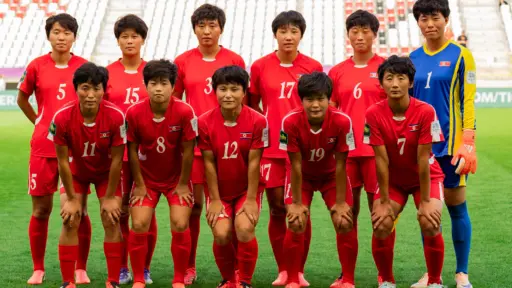 Why is North Korea so dominant in women’s youth football?
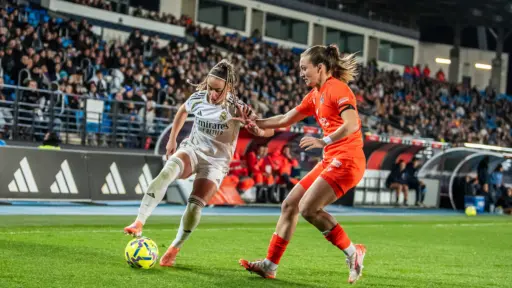 The physical difference that sets the NWSL apart from the Spanish Liga F
 Who helps with the grow of women's football? Check celebrities who invest in the NWSL clubs
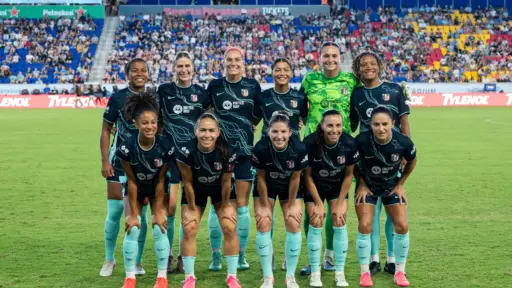 How much do NWSL clubs invest? A club-by-club breakdown
 What is behind Pau Gasol's historic investment in the Liga F?
 The minimum wage in Liga F lags behind
 Explore more from The Pulse
Keep discovering more stories from women's football.