Equal Conditions Worldwide… Or Not?
Equal pay. Equal conditions. Equal respect. Finally. Women’s football has reached full equality. Clubs are investing equally. Salaries are fair. Medical care is consistent. Careers are sustainable.A long-awaited shift. A milestone moment for the game.
April Fools.
None of it is true. The idea of equal conditions in women’s football remains, for now, an illusion. A vision that feels closer than ever — but still far from reality. Because while the sport is growing faster than ever, the gap persists.
Record-breaking tournaments. Sold-out stadiums. Global stars. Rising investment.
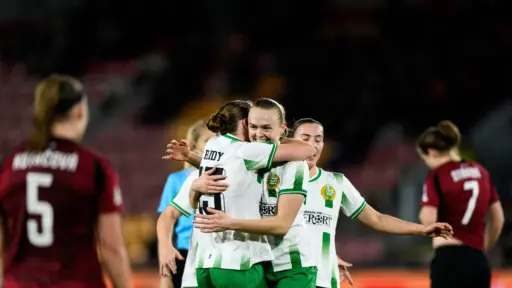
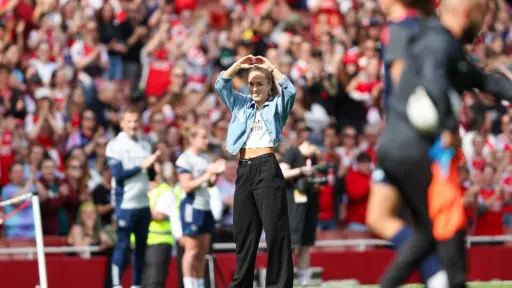
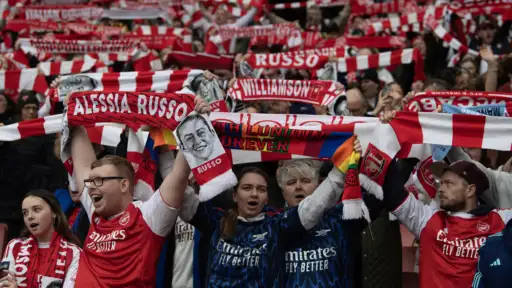
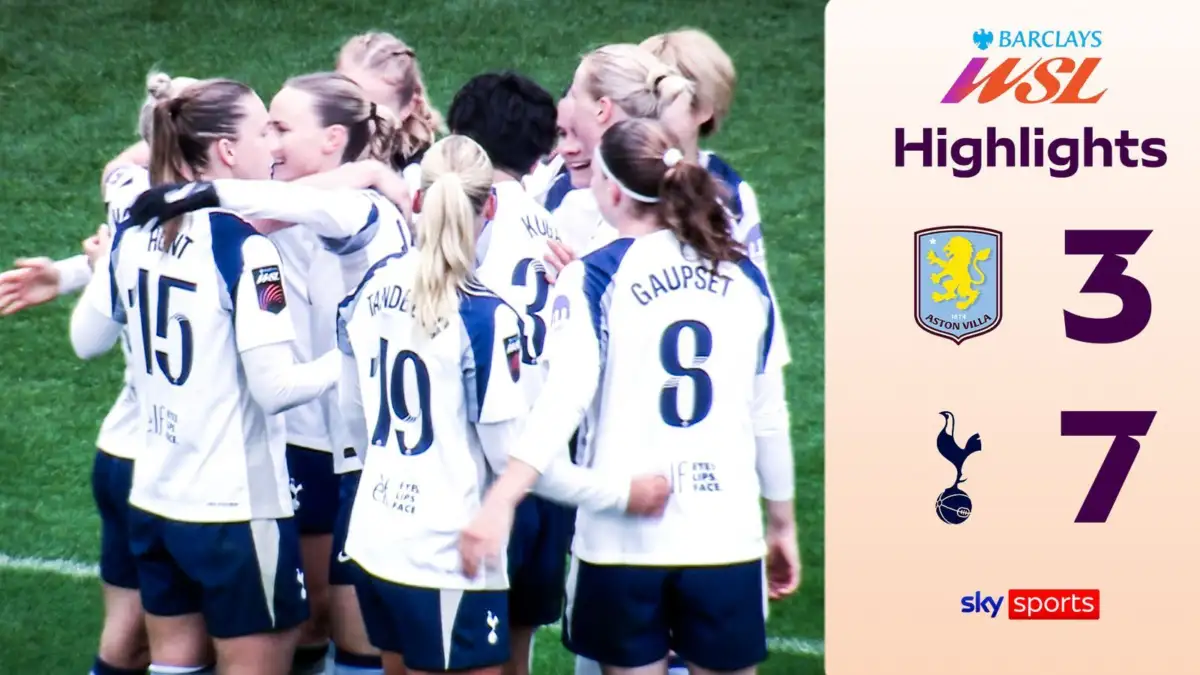
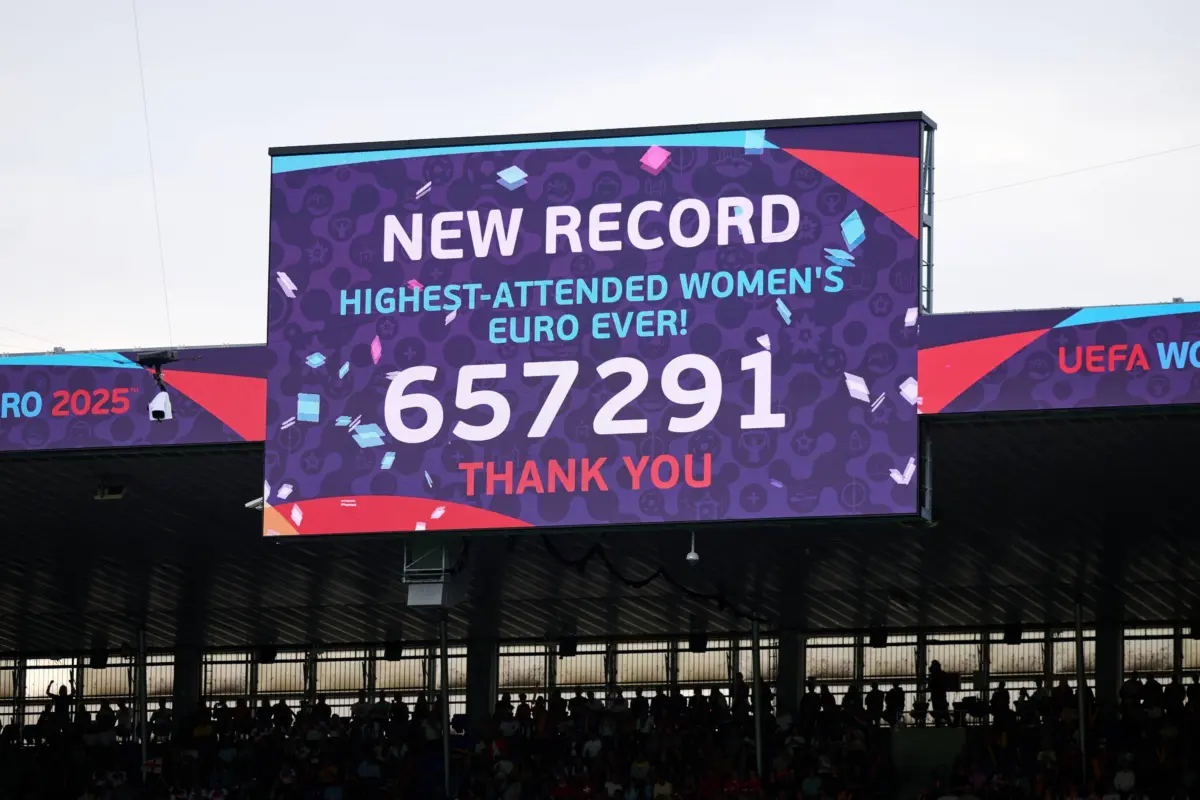
Women’s football is no longer asking to be seen. It is being watched. Last week, more than 46,000 people attended the North London derby, and more than 63,000 people watched the Denver vs. Washington match in the NWSL—a historic league record for women’s soccer. And that’s not even mentioning the records set at Euro 2025 in Switzerland. But visibility does not equal equality.
Across leagues and countries, disparities remain deeply rooted — in salaries, infrastructure, medical support, and long-term career stability.
For many players, football is still not a fully sustainable profession. In Europe, a large number of clubs are still not fully professional, and female players must hold down other jobs alongside soccer to make ends meet, even if they are national team members. This was the case when the English women’s team played in the Euro final in 2009.
Equality shouldn't be negotiable
For many clubs, investment is still conditional.Take Bournemouth, for example, which refused to let its women’s team play at the main stadium, claiming they would ruin the field. For the system as a whole, equality is still negotiable.
And it shouldn’t be.
Because the question is no longer whether women’s football deserves equal conditions.
The question is: why does it still not have them?
The growth is real.
The demand is real.
The quality is undeniable.
What’s missing is not potential.
It’s parity.
Same game. Not the same conditions.
And in 2026, that shouldn’t be a joke.