From hand-me-downs to bespoke kits. How women’s football kits have changed over time

Women’s football kits have undergone a major transformation, reflecting the rapid growth of the game. What was once second-hand and ill-fitting has become more tailored, practical and player-focused.
In the early days of women’s football, players often had little say over what they wore. Kits were commonly hand-me-downs, leftover stock, or just smaller versions of men’s kits, meaning they rarely fit properly. This affected comfort, confidence and performance on the pitch.
But as the women’s game has grown in visibility and investment, expectations have changed and kits are now designed specifically for female athletes.
From hand-me-downs to high performance
Where teams once relied on basic or borrowed equipment, today’s kits are designed using advanced materials that improve breathability, flexibility and durability, specifically for women. This reflects a broader understanding that kit is about more than appearance - it can directly affect confidence and performance.
Brands have also begun to see the commercial value of women’s football, leading to more innovation and competition in kit design.
Customisation
One of the most important developments has been the introduction of kits specifically designed for female athletes.
Rather than adapting men’s designs, manufacturers now work closely with players to create bespoke kits. Research into body shape, movement and comfort plays a key role, alongside crucially, direct feedback from players themselves.
Small details can make a big difference - designers consider everything from preferred necklines to how sleeves and shorts sit during movement, and how shirts fit over ponytails. Getting the fit right, especially with shorts, has become a major priority for comfort, coverage and freedom on the pitch.
White shorts
In recent years, the conversation around kit design has also highlighted issues specific to female athletes, particularly the use of white shorts. These conversations have spanned beyond football into sports like tennis, rugby and hockey too.
Traditionally, white shorts were a staple of many home kits. However, players have increasingly spoken out about the challenges of wearing light colours while on their period.
In 2023, England’s women’s team switched from white to blue shorts after players raised concerns with kit manufacturer Nike. Forward Beth Mead said that while an all-white kit “looks nice”, it is not always practical “at that time of the month”.
Clubs have also taken action. In October 2022, Manchester City became the first Women’s Super League team to switch out their white shorts to help players "feel more comfortable" while on their periods - this move was shaped by feedback from players.
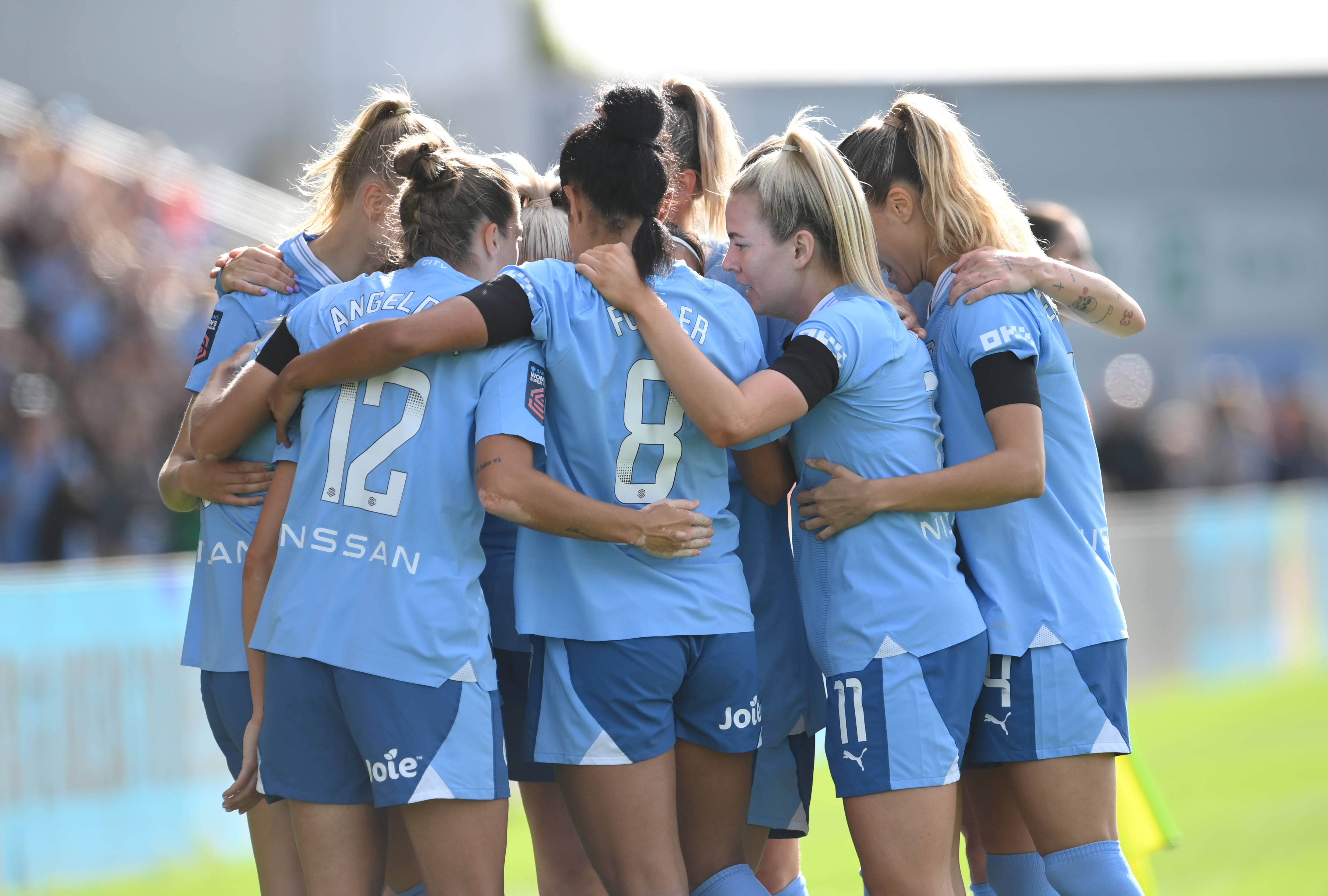 Manchester City Women with the new kit (Source Imago/Sportimage)
Style and identity
Kits are now also being used to express identity and culture within the women’s game.
Clubs and national teams are increasingly releasing bold designs, special editions and collaborations with designers. These kits are not only functional but also help build a connection with fans and reflect the personality of teams.
Having bespoke kits also helps strengthen the connection between fans and the women’s team.
Case Study: The Lionesses
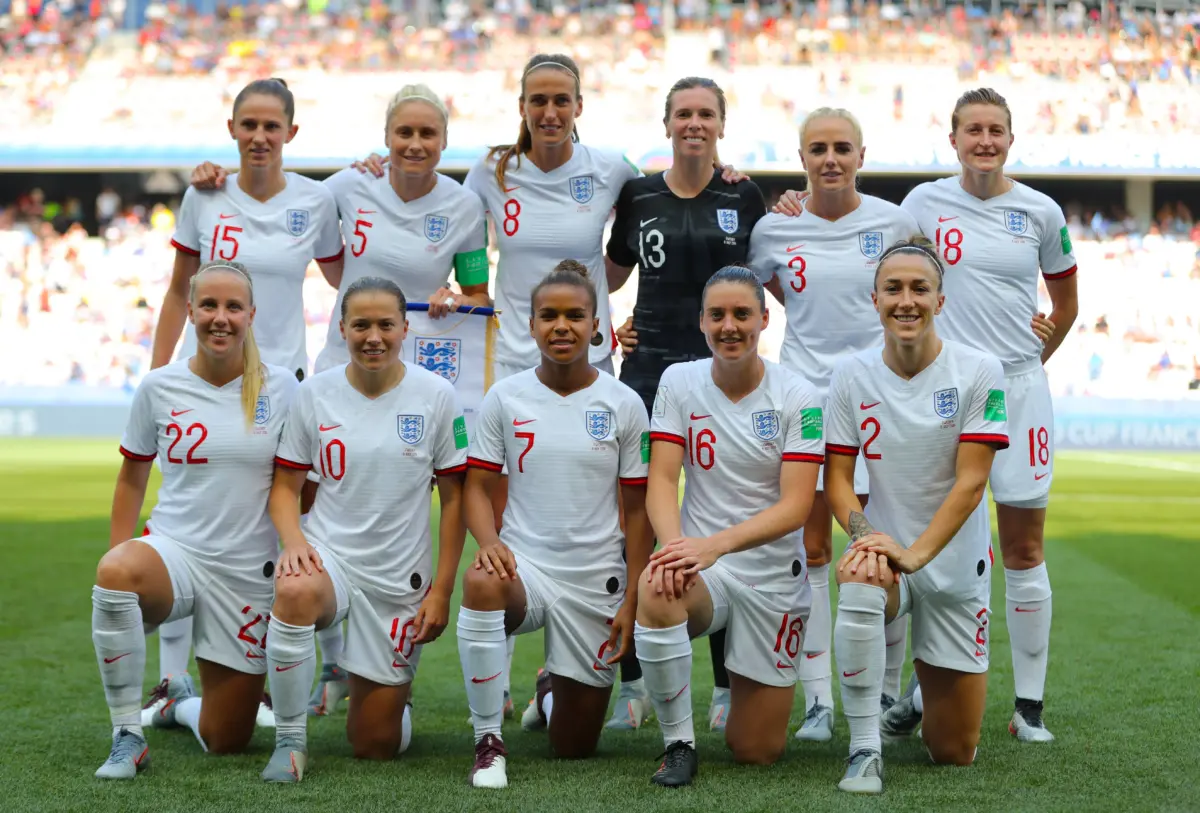
The evolution of kit design can be seen clearly through England’s women’s team. Historically, the England Women's football team (Lionesses) wore the same kits as the men, which were not designed with female athletes in mind.
That changed in March 2019, ahead of the Women's World Cup, when England received their first bespoke kit, tailored specifically for women.
Since then, kit design has continued to evolve, with manufacturers working closely with players to ensure optimal performance, comfort and design.
Elements Nike consider when designing a women’s kit:
- Tailored fit: Kits are designed using 3D body scanning of elite female footballers to create a ‘curved’ fit, with narrower shoulders, shorter sleeves, and a more tailored waist compared to the ‘straight’ fit of men's kits.
- Colour and design: While still featuring the iconic Three Lions, kits often include distinctive, trend-led designs. Recent examples include using blue or purple in place of white shorts to improve comfort and reduce anxiety regarding periods.
- Specific features: Shorts now include innovations such as Nike’s leak-protection liners, following athlete’s feedback.
- Branding and identity: Bespoke kits help build a stronger identity for the Lionesses, separate from the men's team and a uniqueness they can embrace. For fans, it is also strengthens the connection to just the Lionesses through a dedicated kit (including the option to add European Champions patches to the women’s shirt!)
Hot news