First & Records
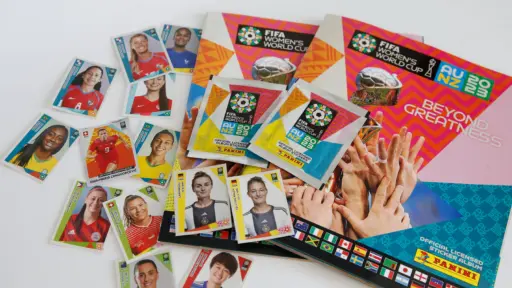
From Niche Collectible to Global Phenomenon: The Story of Women's Football Sticker Albums
Major international tournaments and sticker albums have always gone hand in hand. What started as a school breaks fun, one that plenty of adults still enjoy, has, in recent years, become not only part of the atmosphere surrounding football's biggest competitions but also a thriving business, with collectors hoping to uncover the rarest stickers or trading cards. But what about women's football?
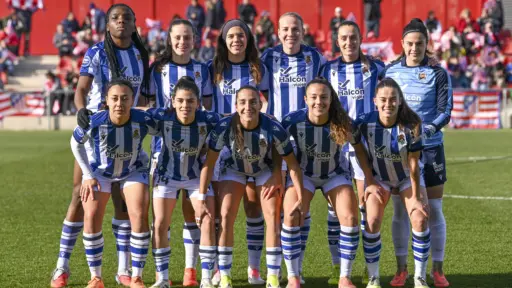
Real Sociedad’s commitment to growth and the growing of the women’s team
Real Sociedad continues to reap the rewards after the last major investment made by the club at the beginning of the 25/26 season. Arturo Ruiz’s team has qualified for the UEFA Women's Champions League qualifiers and has managed to finish the Liga F season in third place, ahead of Atlético de Madrid and only behind Real Madrid and FC Barcelona Femení.
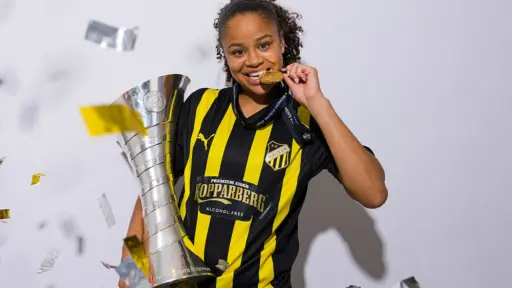
Explained: Why Schröder's move to Real Madrid Femenino seems to be a good move?
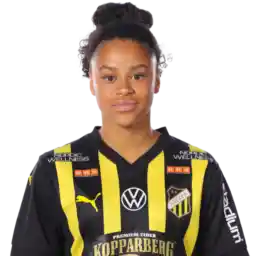
Swedish rising star Felicia Schröder has put an end to the speculation and is leaving Häcken, the Women’s UEFA Europa Cup champion, to join Real Madrid in the Spanish women’s league. Chelsea and Manchester City were both interested in signing her, but she’s ultimately heading to Liga F. Why is this a good move?
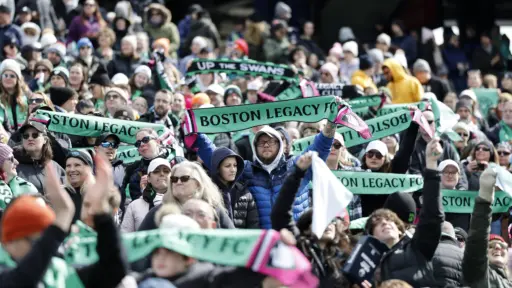
What makes the NWSL the highest-attended women’s football league in the world?
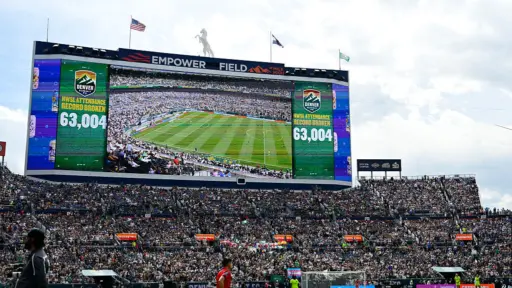
On March 28th 2026, the Denver Summit played in the Mile High City for the first time ever in front of a record-breaking 63,004 fans, making it the largest stand-alone women’s soccer game in US history. A little under 13 years earlier, the NWSL’s first ever game brought together 6,784 fans to watch FC Kansas City take on the Portland Thorns. Today, despite being one of the only leagues with independent clubs that cannot build on the success of male counterparts, the NWSL boasts the highest average attendance of any top-division women’s football league in the world. This feat wasn’t achieved overnight, however. How did the league get to this point?
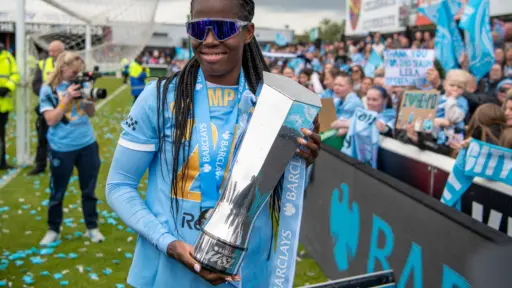
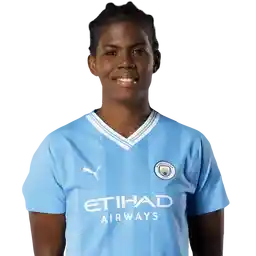
Not only Bunny Shaw: The Changing Economics of the WSL
Salaries in women’s football remain one of the sport’s most talked-about topics. They are a measure of how far the game has come. In some leagues, players still need a second job to make ends meet. In others, new financial records are being set.
Does the very first Club World Cup run counter to the values that women's football is built on?
In January 2028, the FIFA Women’s Club World Cup will take place, marking a historic milestone for the women’s game. The tournament will feature 16 clubs from across FIFA’s confederations. The host nation has yet to be announced, but Qatar has already expressed interest in hosting the competition. The proposal has drawn attention given that Qatar’s women’s national team is currently unranked by FIFA, has not played an official international match in more than a decade, and operates within a political and social environment that many argue conflicts with the values of inclusion and equality that women’s football seeks to promote.
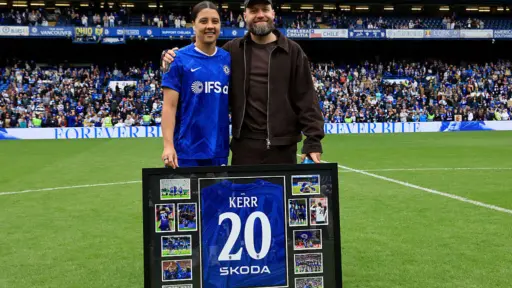
Why McCabe and Kerr's departure is good news for women's football
Sam Kerr leaving Chelsea and Katie McCabe departing Arsenal broke plenty of hearts across the women’s football world. But while these farewells are painful for fans, they are also a positive sign for the game itself. Here is why.
Three exclusive stadiums for women’s football that lead the way forward
A few days ago, Brighton banged on the table and announced the creation of a new stadium exclusively for its women’s team. Brighton & Hove Albion have published plans to build the first women’s football stadium designed specifically for the sport in the United Kingdom and Europe. In addition, it will also be the third stadium in the world created for the exclusive use of the women’s football team.