QB weekly: 1. 6. - 7. 6. 2026

Women's Super League has been rocked by what may be the most controversial transfer in modern women’s football history. And the transfer window does not even open yet until 18 June. At the same time, club football has taken a back seat to the international game, with European nations battling for places at the FIFA Women’s World Cup 2027. Germany have already secured direct qualification, while England suffered their heaviest defeat under Sarina Wiegman. So, what else happened in women’s football this week?
Katie McCabe. Betrayal or Childhood Dream?
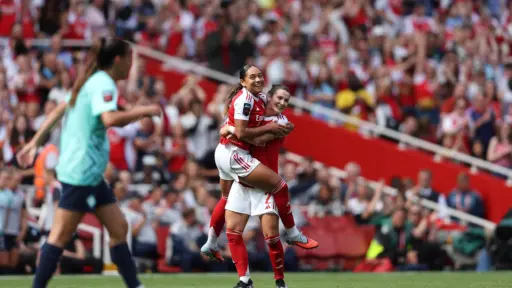
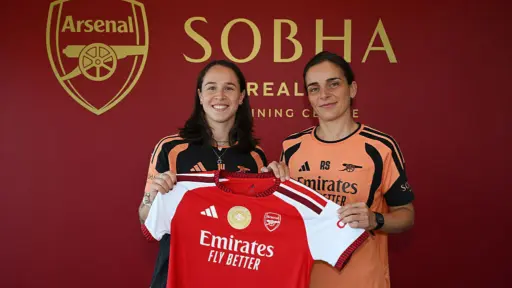
The most explosive transfer in WSL history may well belong to Republic of Ireland captain Katie McCabe. McCabe spent 11 years at Arsenal, becoming one of the club’s leaders and many supporters considered her as a club legend. When Arsenal announced at the end of May that she will leave upon the expiration of her contract, many fans were dissapointed and sad.
For a time, McCabe was linked with moves to London City Lionesses and Manchester City. Instead, she stunned the women’s football world by joining Arsenal’s biggest rival: Chelsea. For McCabe, the move carries personal significance. Chelsea was her childhood club, and she grew up idolising former Blues and Ireland player Damien Duff. Many Arsenal supporters, however, were left particularly frustrated by the club’s announcement video, which featured a chant closely associated with McCabe during her years in North London. For some Gunners fans, that crossed a line. What might have been viewed as the fulfilment of a childhood dream has instead been interpreted by many as a painful betrayal.
A Night to Forget for the Lionesses
Friday, 5 June 2026, is a date the Lionesses will want to forget. England travelled to Mallorca for a crucial World Cup qualifier against Spain, having beaten the reigning world champions at Wembley just two months earlier. A draw would have been enough to secure automatic qualification for the tournament.
Instead, the evening turned into a nightmare. Without captain Leah Williamson, who missed the match with a hamstring injury, England were comprehensively outplayed as Spain cruised to a 4:0 victory. The Lionesses failed to register a single shot on target and rarely looked capable of troubling their hosts.
The result marks England’s heaviest defeat since Sarina Wiegman took charge in 2021 and serves as a stark reminder of the challenge posed by one of the strongest sides in world football.
Germany is going straight to Brazil
Friday's qualifiers produced just one nation that secured automatic qualification for the 2027 FIFA Women’s World Cup: Germany. The eight-time European champions will now make their tenth World Cup appearance. Germany have lifted the trophy twice before, most recently in 2007, and will undoubtedly be considered among the favourites again next summer.
Their place at the tournament was sealed with a 2:0 victory over Norway. Both goals were created by Linda Dallmann, while Marie Müller and Carlotta Wamser found the back of the net to secure the result.
The remaining automatic qualification spots will be decided on Tuesday, 9 June. Teams that fall short will have to navigate the play-offs for a chance to book their place at the World Cup.
Concern about Erin Cuthbert
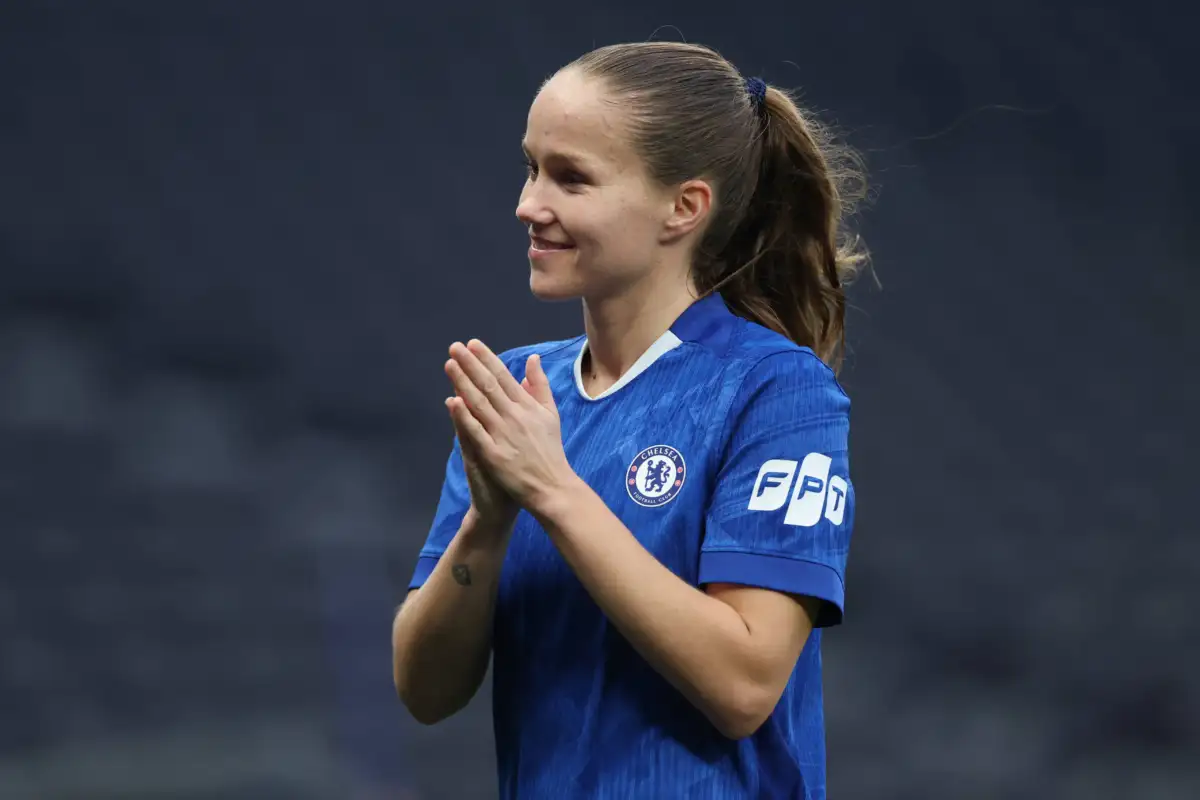
Many fans were left fearing the worst at the end of Scotland’s Group B clash with Israel. Although Scotland cruised to a convincing 6:0 victory and remain top of the group thanks to better score than Belgium, the mood was dampened deep into stoppage time when Erin Cuthbert was helped off the pitch with a knee injury in the 94th minute.
Given the growing number of serious knee injuries in the women’s game, supporters immediately feared a potentially ACL injury. However, a few days later, the Scottish national team provided a reassuring update. While the Chelsea midfielder is expected to miss Tuesday’s return fixture against Israel, initial assessments suggest the injury is not an ACL tear. That news will come as a major relief for both Scotland and Chelsea, with Cuthbert set to play a key role for club and country in the months ahead.