World Champion and women's football ally. The story of Borja Iglesias and why his voice mattered
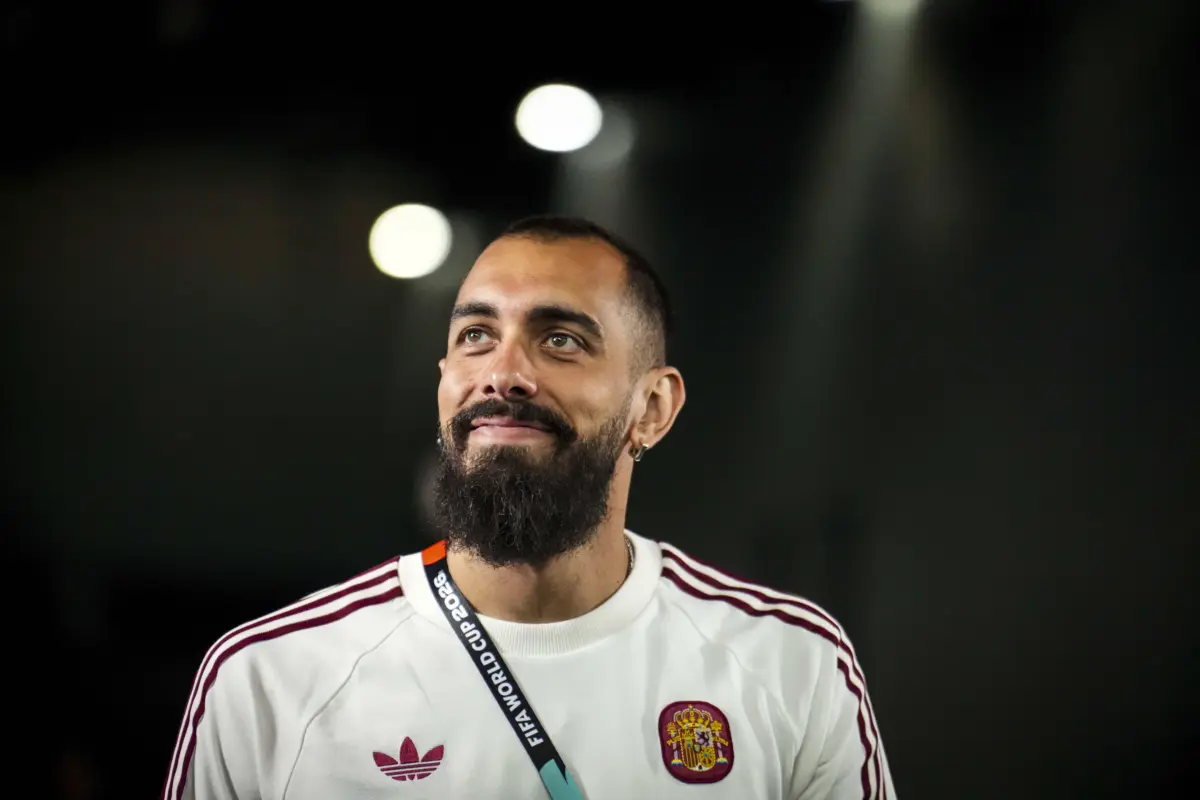
When manager Luis Rubiales kissed Jenni Hermoso after Spain's 2023 Women's World Cup victory, the football world watched in disbelief. Spain international made a decision that could have cost him his international career for a while. Borja Iglesias refused to represent his country until meaningful change came to Spanish football.
You probably remember when tennis player Andy Murray corrected the journalist who asked him about Sam Querrey being the first US player reaching the semi final since 2009. Murray immediatelly corrected him that Querrey is the first male player, because both Serena and Venus Williams made it multiple times.
This, probably little things, have actually big impact. In women's football, one of the biggest allies and heroes for not only Jenni Hermoso but also another women, not only in sports, suffering from any kind of sexual abuse, is Celta Vigo and Spain's national team forward Borja Iglesias.
The case of former Spain coach Luis Rubiales is probably familiar to you. If not, we recommend the Netflix Original documentary film It's All Over: The Kiss That Changed Spanish Football.
The documentary captures not only the now infamous kiss during the medal ceremony after 2023 World Cup final, but also everything that followed. Hermoso was pressured to publicly downplay the incident, Rubiales refused to resign, and the federation initially stood behind its president instead of its World Cup-winning players. What began as one unwanted kiss quickly exposed much deeper problems within Spanish football.
While the heroines of Spain fought for respect and accountability, support gradually came from politicians, athletes and fans across the world. Among active male footballers, however, the voices were surprisingly few. One of the loudest belonged to Borja Iglesias.
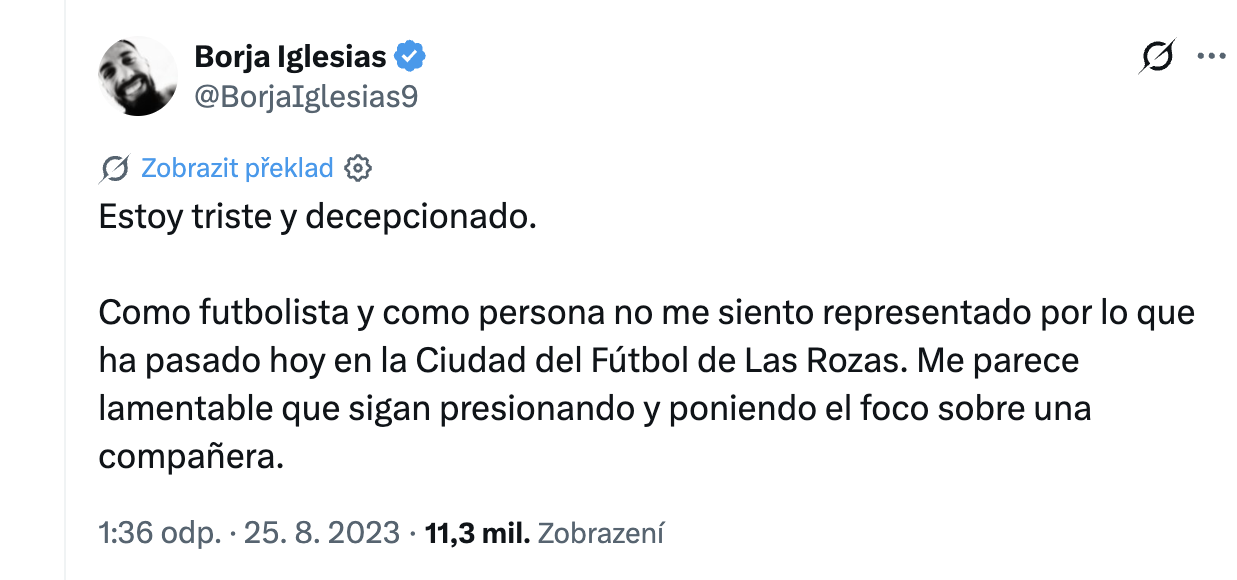
Just days after the World Cup final, the striker announced that he would not represent Spain until meaningful changes were made within the Spanish Football Federation. "I am sad and disappointed," he wrote on social media. "Because of everything that has happened, I have made the decision not to return to the national team until things change and these kinds of acts do not go unpunished."
His support for Jenni Hermoso was not an isolated gesture. In fact, it perfectly reflected the values he had demonstrated throughout his career. Iglesias has never fitted the traditional image of the football star. Rather than carefully avoiding controversial topics, he has consistently used his platform to speak about equality, mental health, racism and LGBTQ+ rights. He has painted his fingernails to challenge stereotypes around masculinity and fight toxic musculity, publicly defended marginalised communities and never hidden his belief that footballers have responsibilities beyond the pitch.
His reaction after the Hermoso incident mattered so much. The fight for change in Spanish football was led by women. It was Jenni Hermoso who spoke out. It was the World Cup-winning squad that refused to return under the existing conditions. But allies matter too. When one of the country's best-known male internationals openly sided with the players instead of the federation, it sent a powerful message that this was not simply a "women's football issue". It was an issue of respect, dignity and basic human decency.
Happy end?
Eventually, pressure from players, supporters, sponsors and governing bodies forced change. Rubiales resigned as president of the federation and was later found guilty of sexual assault over the non-consensual kiss. Spanish women's football has continued moving forward, although many of the structural issues the players highlighted remain part of the wider conversation.
Borja Iglesias eventually returned to the national team after changes within the federation. His decision alone did not transform Spanish football. But at a moment when speaking out carried real consequences, he chose principles over comfort. And he got his happy end.
After his comeback to the Spain national team, he became a world champion after Spain defeted Argentina in the 2026 FIFA World Cup final. Spain became the first nation whose women's and men's team won the world cup.
Football often celebrates bravery shown in decisive tackles or last-minute winners. Borja Iglesias reminded the world that sometimes the greatest act of courage happens long after the final whistle and off the pitch.
In the world full of Luis Rubialeses, be Borja Iglesias.