New Caledonia make history as U20 women reach world stage amid turbulent conditions

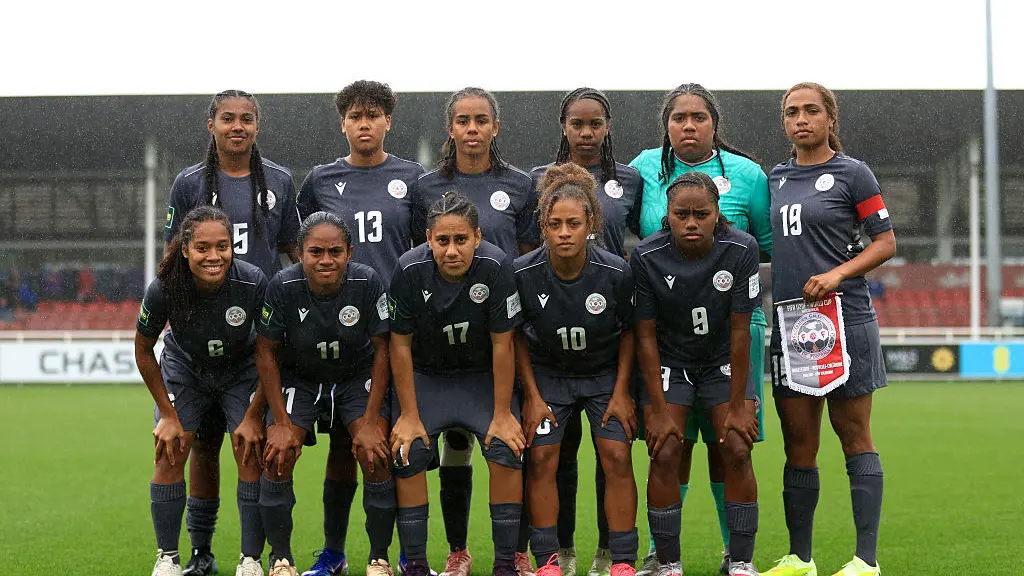
The French overseas territory, home to just 264,000 people, begins its historic campaign against China, a country with a population of almost 1.5 billion. The contrast is fitting, New Caledonia’s journey to the world stage has been shaped by obstacles at almost every turn.
In May 2024, mass unrest and a political crisis broke out in New Caledonia over proposed changes to voting rules. More than ten people were killed and almost a thousand were injured.
Severe security problems and damage to infrastructure meant the 2024 football season, which had only just begun, was brought to a halt as early as May. The impact on the game was enormous, with the number of registered male and female players falling from 7,500 to around 4,000. The already fragile funding of the women’s game was dealt another major blow.
Solidarity and resilience
All 20 players in New Caledonia’s World Cup squad play in the domestic league, meaning every member of the team was directly affected by the crisis. In some cases, their clubs were forced to rethink their role entirely.
ASAF, based in the capital Nouméa, focused on youth teams after resuming its activities and provided older players with support in education and finding work. The club also organised community markets and distributed food and other essentials to families in need.
Financial problems continued even after the women’s league returned to full competition. The local federation released emergency funds, but staff bonuses still had to be cancelled, national team training camps were shortened and competitions across the country continued to operate under serious financial pressure.
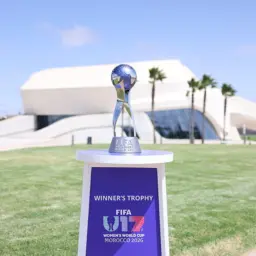
And yet it was from these conditions that a historic qualification for the Under 20 World Cup emerged. New Caledonia secured its place in Poland by reaching the final of the Oceania Under 19 Championship.
On the rise
The breakthrough did not come from nowhere. The local federation has spent years developing a women’s academy that combines football training with education, while investment in the women’s game has gradually increased.
The team that has arrived at the Under 20 World Cup is also unusually important within New Caledonian football. This youth side already forms the core of the senior national team.
When New Caledonia took part in the FIFA Series in Thailand in April, 18 of the 20 players who had secured qualification for the Under 20 World Cup were included in the senior squad. The senior team coach said then that players from the Under 20 group made up around 80 per cent of his team.
Some of those young players are also beginning to gain experience abroad. Centre back Kamene Simane spent time with the reserve side at Nantes, is a key figure in the Under 20 team and has also represented New Caledonia at senior level.
Pushing for a breakthrough on the world stage
New Caledonia’s World Cup campaign will once again have the feel of David taking on a series of Goliaths. Their group begins with China, who reached two Under 20 World Cup finals in the early 2000s and return to the competition this year after an eight year absence.
They will also face Nigeria, one of only three countries to have appeared at every edition of the Under 20 World Cup and twice runners up, as well as Spain, the 2022 world champions at this level. New Caledonia have rarely come out on top against opponents of this stature and will arrive as clear outsiders.
But defying expectations is something this team, and the football system around it, has already done more than once. The first New Caledonian women’s side ever to reach the world stage has emerged from a system that, within the past two years, lost an entire season, saw its registered playing base almost halved and endured severe financial problems.
Despite all of that, New Caledonia has produced the most successful generation of women footballers in its history.
More Videos & Highlights
Watch the moments behind the story.
 2 min read QB Originals Exclusive: Franny Černá on growing up in the USA, representing Czechia and how mainstream media treat women’s football
 1 min read QB Originals LISAN ALKEMADE: PSV Eindhoven Goalkeeper on How Mainstream Media Treat Women's Football Goalkeepers
 1 min read QB Originals QB Break with Franny Černá | Coffee, Football & Life in Prague
 1 min read QB Originals “We Celebrated Like We Won the World Cup” - Klára Cahynová on Beating Barcelona
 4 min read Off The Pitch Focus on the pitch, relax in the paddock: These footballers are F1 enthusiasts
 4 min read Strong Story No longer a choice: Motherhood in modern women’s football
 2 min read QB Originals BARBORA VOTÍKOVÁ: First Czech Woman at Arsenal. On & Off the Pitch
 1 min read QB Originals First Game. New Country. Hattrick. Hallie Bergford Story
 1 min read The Best Actions NWSL expansion sides suffer defeats in season debuts
 1 min read QB Originals SUE SMITH: A True Pioneer of the Women’s Game
 Liverpool's Zara Shaw has lost enough time. But two ACLs in two years can't stop her
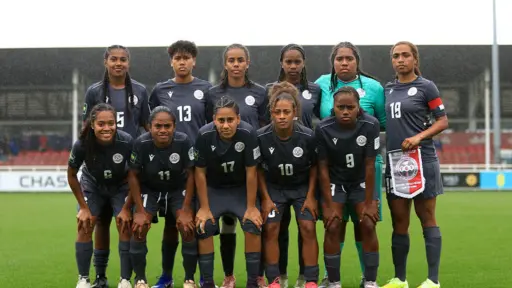 New Caledonia make history as U20 women reach world stage amid turbulent conditions
 The fairytale of how a small girl from Canada, Olivia Smith, conquered England. Now she wants the Ballon d’Or
 TV rights as an annual drama in women's football. Liga F once again resolved the issue at the last minute
 Carolina Morace: The first lady of Italian football who never waited for a permission
 The downfall of Rayo Vallecano: from the Champions League to three relegations in four years
 No academies: How do young female footballers in the US go pro?
 Elena Schiavo: The Italian rebel who changed the rules of the game
 Explore more from The Pulse
Keep discovering more stories from women's football.