France is reshaping the pathway into the professional game. Its U20 World Cup generation will be an early test

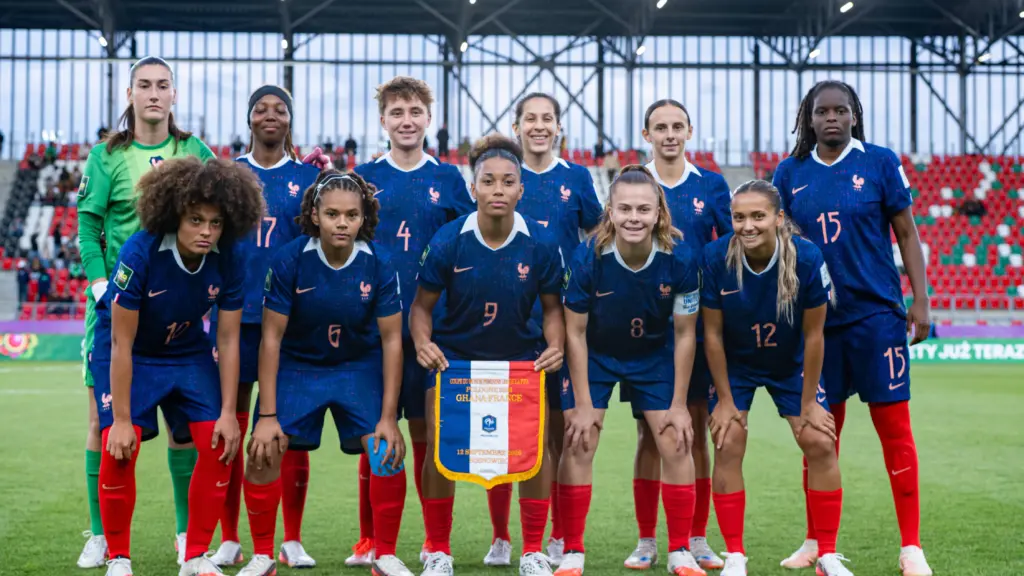
France arrived at the FIFA U20 Women’s World Cup with a generation coming of age at a time of significant change in the country’s women’s game. From this season, Première Ligue is introducing new rules designed to give clubs a greater incentive to develop their own young players and gradually bring them into professional football.
On a maximum 25-player squad list, clubs must include at least eight players developed in France in 2026/27, with a minimum of three trained by the club itself. That first figure is set to rise to ten the following season and then to 12. Clubs can also register additional young players outside the main squad, provided they meet certain age and club-training requirements.
The new regulations form part of a wider transformation of French women’s football. In recent years, the first officially accredited women’s club academies have been established, while their reserve teams have been given access to the third tier of the senior pyramid. According to the French Football Federation, the number of players on full professional contracts in Première Ligue has also risen by 60 per cent over the past two seasons.
Montpellier offers early glimpse of new model
Montpellier is one of the clubs where this new direction is particularly visible. Its academy was among the first six to receive official accreditation, while the club has long relied heavily on players developed through its own system. In 2025/26, 11 of the 19 members of its professional squad had either been developed or further trained at Montpellier.
The club also supplied four of France’s 21 players at the World Cup in Poland. Nineteen-year-old forward Justine Rouquet played 1,640 minutes in Première Ligue last season, made 19 appearances and scored nine goals. She was also named the league’s best young player and received her first senior France call-up.
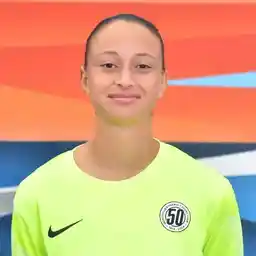
Nineteen-year-old defender Chiara Baylet has already been given substantial first-team responsibility as well, playing 1,188 league minutes and starting 15 matches. By contrast, 19-year-old forward Célia Chabod is still at an earlier stage of the transition into the professional game, playing 243 minutes last season and making just one start. Montpellier’s fourth representative in Poland was 19-year-old goalkeeper Ceylin Yilmaz.
The contrasting situations of those players help explain why France is seeking to reshape the pathway. The country has long been capable of producing successful youth teams, but the step from elite youth football to regular senior minutes remains a significant one for many players.
Fresh test coming after tournament
This year’s U20 side again showed the quality within the French system. France drew with South Korea in the group stage, beat Ecuador 3:2 and Ghana 4:0, but were eliminated by Canada following a 3:1 defeat in the round of 16. They therefore fell short of reaching a first U20 World Cup final since 2016, while the wait for a major breakthrough at both youth and senior international level continues.
For the development of this new generation, however, what happens after the players return to their clubs may prove more important. Over the past few years, French football has created a network of club academies, opened a route into senior competition for their reserve sides and now reserved part of top-flight squad lists for players developed within the French system.
The generation that competed in Poland will be among the first to show whether those structural changes can also translate into regular opportunities on the pitch.
In This Story
The players this piece is about.