How salaries are changing in the WSL: From part time jobs to professional careers
Salaries in women’s football remain one of the sport’s most frequently discussed topics. Across many clubs and leagues, players are still not fully professional, despite competing at the highest levels and, in some cases, representing their national teams. Yet, as in many other industries, the landscape is changing rapidly and for the better.
One of the most significant milestones came in October last year, when the Women’s Super League (WSL) introduced a mandatory salary floor. The move effectively ended an era in which players in some clubs (usually the ones from bottom of the table) clubs could earn wages that were simply not enough to live on. Unsurprisingly, the initiative came from the WSL, a league that continues to set the benchmark for the women’s game in many areas. Importantly, the policy also applies to the second tier, WSL 2.
So what does that mean in practice?
Players aged 23 and over competing in the WSL are now guaranteed a minimum annual salary of £40,000. Younger players and those competing in WSL 2 are subject to age-based minimums, but those figures have been set comfortably above the UK’s national minimum wage. As a result, no player in the top two tiers of English women’s football should need a second job.
The 2025/26 season therefore began with a landmark step forward. Not just for the WSL, but for women’s football as a whole. Regardless of the club they represent, players can now commit fully to their football careers without having to split their time between training and another profession simply to make ends meet. Outside England, it is still common for players to finish a day at work before heading to evening training sessions.
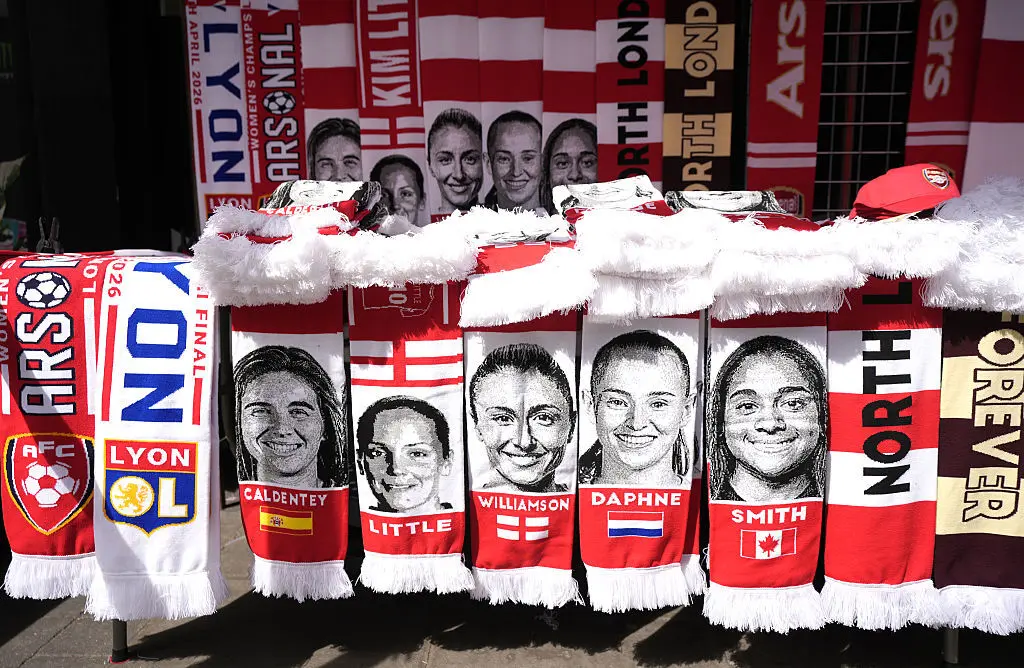
Of course, actual salaries vary considerably. Factors such as pitch time, on-field performance and experience all influence earnings. Increasingly, however, off-field factors matter too. Marketability and commercial value play a growing role in salary negotiations. At Arsenal, for example, Alessia Russo and Leah Williamson are among the club’s highest earners, unsurprising given that they are also among the most recognisable and popular figures in the women’s game, with some of the best-selling jerseys among supporters.
The End of the “Semi-Professional International” Era
When discussing the professionalisation of women’s football, the conversation often centres on attendance figures, broadcast deals or record-breaking transfer fees. Those metrics certainly matter, and they tend to rise together as the game grows. But it starts much earlier.
It begins with the ability to dedicate yourself fully to football. The ability to recover properly, train individually, work with sports psychologists and performance staff, or simply not worry about whether rent can be paid this month or next. That is why the introduction of a salary floor is arguably one of the most important decisions the WSL has made in recent years.
While minimum salaries provide an essential safety net, the gap between clubs remains substantial. Players at the lower end of the table may earn close to the guaranteed minimum, while the league’s biggest stars command salaries several times higher. According to publicly available estimates, the highest-paid players in the WSL now earn well in excess of £500,000 per year.
That disparity reflects the reality of the modern game. Clubs such as Arsenal and Manchester City are home to some of women’s football’s biggest names. They compete for trophies, attract the largest crowds and generate significant commercial revenue through shirt sales and merchandise.
In that sense, women’s football is increasingly resembling other major professional sports. Being a top-class player is no longer the only factor that determines earning potential. Media visibility, commercial appeal and the ability to engage audiences off the pitch are becoming increasingly important. It is no coincidence that many of the highest-paid players are also those who feature prominently in advertising campaigns, sell the most jerseys or command large followings on social media.
Salaries Reflect a Growing Market
The rise in wages has not happened in isolation. Over the past several years, the WSL has seen significant growth in attendances, television audiences and commercial revenues. Clubs such as Arsenal, Chelsea and Manchester United now regularly draw large crowds for marquee fixtures, while women’s football has become an increasingly attractive proposition for sponsors and commercial partners. In turn, that creates greater capacity for investment in players.
The transfer market has evolved as well. Only a few years ago, major transfer fees were rare in women’s football. Today, seven-figure transfers are part of the conversation, and new records seem to fall almost every transfer window. At the same time, the WSL has become one of the leading destinations for the world’s best players, creating further pressure for salaries to continue rising.
For years, footballers have argued that the biggest barrier to their development is not talent or motivation. It is time. Time spent working outside football. Time lost to recovery or time taken away from the game itself for example.
That is why the salary floor is more than an economic policy. It is a statement of intent. It signals that women’s football is increasingly being recognised as a profession rather than a passion pursued after working hours.
And perhaps that is its greatest significance. Not the additional money earned by the league’s biggest stars, but the fact that a young player entering the WSL today no longer has to wonder whether she will need a second job alongside football.
Hot news