It's not just about football. Why do queer people feel more welcome in women's sports?
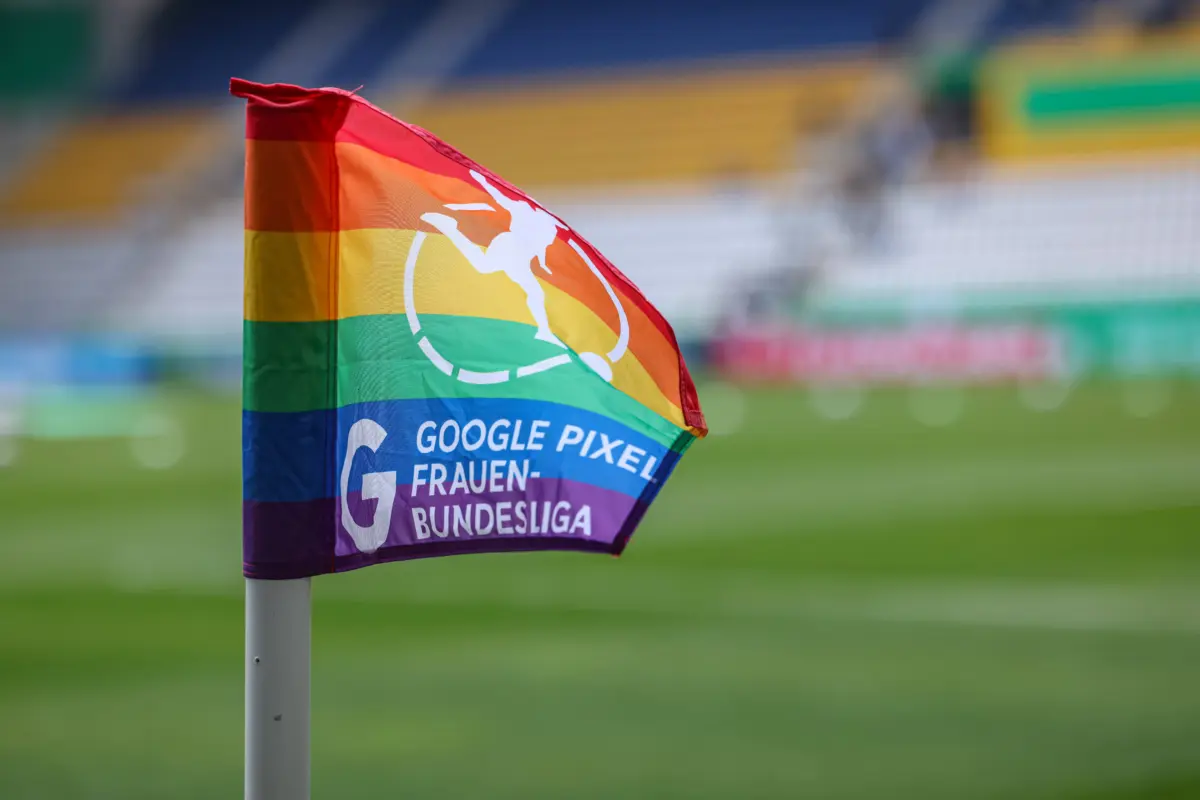
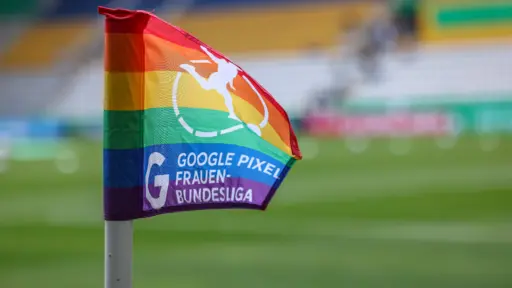
June is Pride Month, and few areas of sport embrace queer visibility as openly as women’s football. Compared to the men’s game, female footballers are far more likely to be openly LGBTQ+, while clubs themselves often actively speak about inclusivity and make it clear that everyone is welcome at their matches, regardless of identity.
This is not unique to football. Women's team sports more broadly have developed a reputation for being more inclusive and welcoming. Not only for queer people but for a wide range of underrepresented communities. For example PWHL, women's ice hockey league in USA and Canada often have rainbow flags on their matches.
Athletes are also often more willing to engage with social issues. For example: Angel City FC players speaking out about protests in Los Angeles or footballers helping to break the stigma around topics such as periods or endometriosis.
The numbers tell a compelling story. At UEFA Women's Euro 2025, around 20% of all players were openly queer. In other words, more than one in five participants at Europe's biggest international tournament publicly identified as LGBTQ+. Among them were some of the sport's most recognisable names, including Vivianne Miedema and Beth Mead, who are in a relationship, as well as players such as Kerstin Casparij and Ingrid Engen.
Something simple and natural
For these athletes, being open about who they are is simply part of their everyday lives, not a political statement.
That highlights one of the clearest differences between the women's and men's games. While queer identities are often viewed as a normal part of team culture in women's football, openly identifying as anything other than heterosexual remains rare in men's football.
One recent example is Czech international Jakub Jankto, whose coming out attracted significant attention across the football world, including abuse and threats. In women's football, a formal "coming out" is often not necessary at all. Relationships are frequently discussed as naturally as any other aspect of a player's life.
That does not mean women's football is automatically a perfectly safe or problem-free space for everyone. It does, however, demonstrate the importance of representation. When young players see elite athletes competing on the biggest European stages while openly being themselves, they receive a powerful message: there is a place for them in football too. Even seemingly small gestures, such as rainbow captain's armbands, can contribute to that sense of belonging.
Many people explain this openness by saying that there are simply more queer players in women's football. But the relationship may actually work the other way around. The culture of acceptance did not emerge by accident.
For decades, women's football existed on the margins of the sporting mainstream, without the same levels of money, attention and scrutiny that surrounded the men's game. In that environment, communities often developed around solidarity and shared experiences rather than narrow expectations of how an athlete should look, behave or live.
Not everything is perfect
As former player Sophie Griffiths told Sports Media LGBT+, queer identity was, for many years, simply accepted as part of the culture of women's football, while the men's game remained constrained by stigma and fear of being different.
That does not mean women's football is immune to discrimination. There have been notable examples of backlash. When Sam Kerr and Kristie Mewis announced they were expecting a baby together, their social media accounts were flooded with hateful comments. Kerr's club, Chelsea, publicly defended the couple, stating: "Homophobia has no place in football, at Chelsea, or in our society."
Ultimately, queer visibility in women's football demonstrates the power of representation and everyday normalisation.
When supporters see players openly talking about their partners, when clubs share Pride posts as naturally as they share match results, and when queer identity is treated not as a headline but as an ordinary part of football life, an environment is created where people do not have to choose between sport and being themselves.
And perhaps that is the most important lesson men's football can take from its women's counterpart.