It's not just Smilla Holmberg's case. How to make the enviroment safer for women?
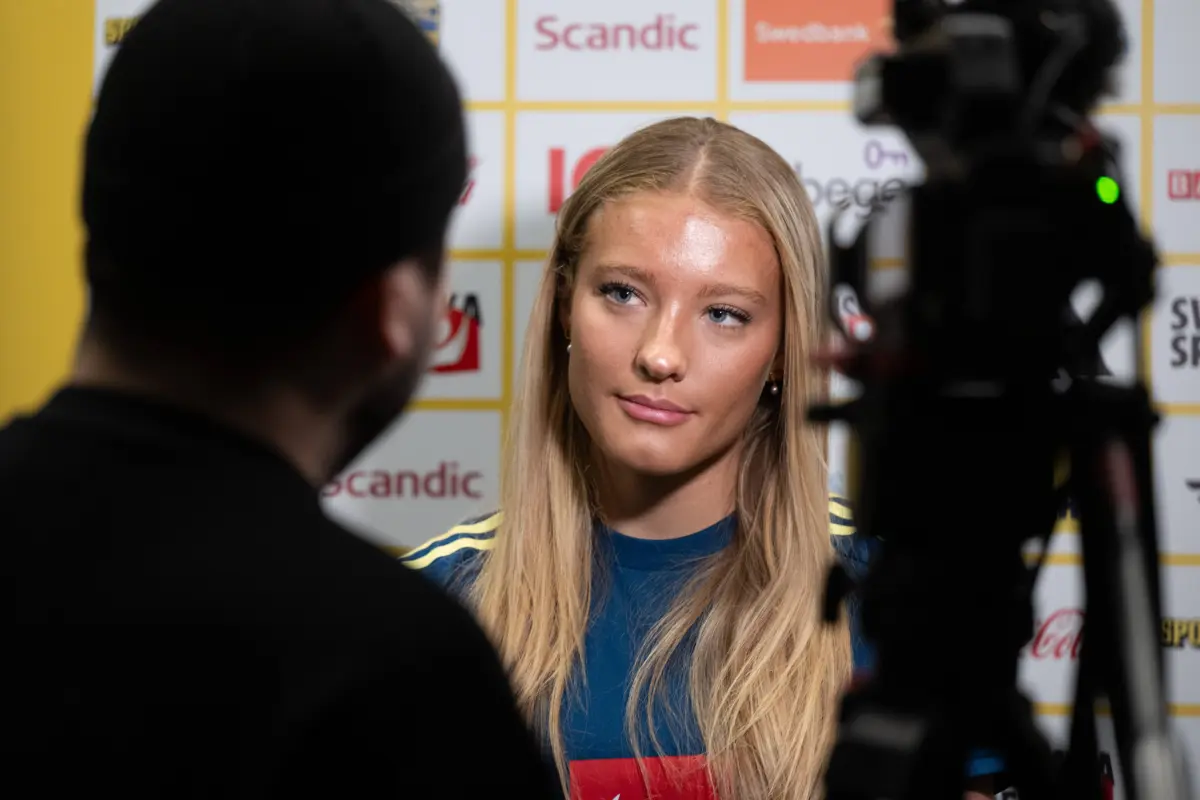
As the visibility of women’s sport continues to grow, so do its darker sides. Greater media attention, long overdue...also brings challenges, and for women in the public eye, that often includes sexism.
It’s January 5, 2026. The winter transfer window may be short, but it’s already in full swing. A number of players are making the move from Sweden’s Damallsvenskan to the WSL, and Arsenal are no exception. The club is finalising a deal that had been rumoured since the summer — signing a newly turned 19-year-old Swedish talent who has just finished high school and caught the attention of Arsenal’s scouts.
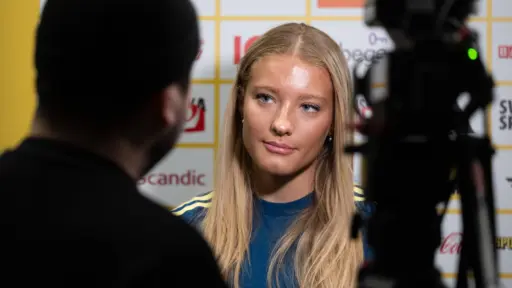
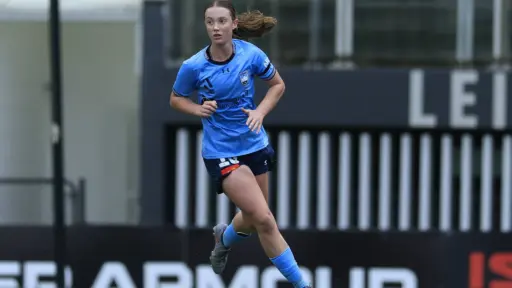
Smilla Holmberg received her first senior national team call-up just a month after graduating. By July, she was already starting at Euro 2025, even scoring against Germany — with legendary goalkeeper Ann-Katrin Berger in goal. It was clear to anyone watching that she wouldn’t be wearing Hammarby’s green and white for much longer. And it was the reigning Champions League winners who made their move.
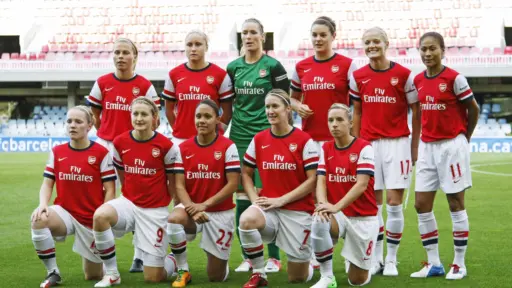
For Holmberg, it was a dream come true. By her own admission, she had always been an Arsenal fan. The presence of her national teammate and role model Stina Blackstenius at the club made the move even more special.
But her dream transfer came with a darker side.
When Arsenal announced her signing on social media, the club was forced to disable comments. The reason? A wave of inappropriate and sexualised remarks targeting the young player, alongside AI-generated fake images depicting her in bikinis. Holmberg had only just turned 19 — while many of those posting such content were significantly older, making the situation all the more disturbing.
“It’s part of the growth of women’s football. These things come with it… In an ideal world, it wouldn’t exist,” Holmberg later said on the Femme Plus podcast. She added that she tried not to focus on it, choosing instead to take pride in signing for her dream club, a testament to her mental strength.
Holmberg’s case is just one example of a much wider issue. While online abuse is not limited to women, female athletes are disproportionately targeted, particularly with sexist and sexualised content.
So how can players be protected?
Arsenal’s decision to disable comments was, in that moment, likely the quickest and most effective solution. It also sent a clear message: we would rather sacrifice engagement and reach than leave our player exposed to abuse. But it is not a long-term fix.
And the problem doesn’t stop at comments. Not long ago, police arrested a man for stalking Liverpool player Marie Höbinger. A stark reminder of how online abuse can escalate.
Addressing this issue requires broader action. The WSL, currently one of Europe’s most competitive leagues, is attempting to lead by example through a partnership with the UK Football Police Unit and Ofcom. In practice, this means sharing data across platforms. So if someone targets Smilla Holmberg on TikTok and Lauren James, for example, on Instagram, systems can connect the activity, making it easier for authorities to identify and track offenders.
Of course, this is not a perfect solution. It won’t fully prevent cases like Holmberg’s from happening. But it sends an important signal: that the safety of players matters and that online abuse will have consequences.
Because behind the growth of the game, there must also be protection for those who are helping it grow.
Hot news