How abolishing the NWSL draft made it a better league for women's football enviroment
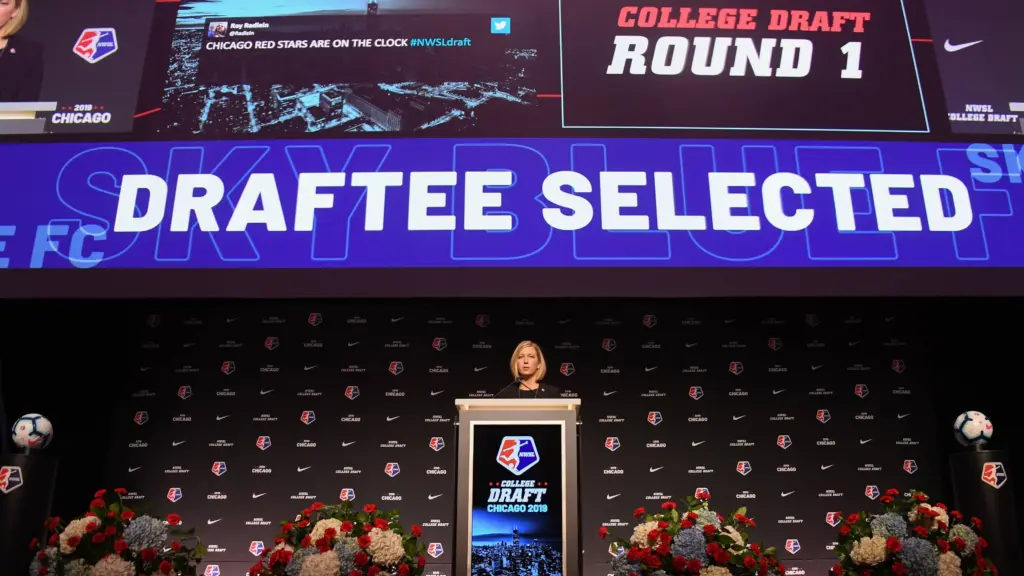
Since the first-ever college draft in 1936, the player selection method has been a mainstay in American professional sports. When the National Women’s Soccer League began in 2013, it was no exception. The college draft was an integral part of player acquisition in the league. It helped preserve the NWSL’s parity by awarding more desirable selections to lower-performing teams and offered more assets for clubs to trade with in the form of draft picks.
The historic Collective Bargaining Agreement signed by the league and its players association in August 2024 abolished the draft, making the NWSL the first major professional sports league in the US to get rid of this entry mechanism. How exactly did the league change since the draft was eliminated, and was it for the better?
Player autonomy
The biggest drawback of the college draft was that it gave incoming players to the league no say in where they ended up. Top prospects were more likely to be selected by lower-performing teams, often in less desirable markets, which inadvertently punished them for playing well in college.
With the elimination of the draft, players now have more control over where they end up playing. They are also able to field and leverage multiple offers to earn themselves a better deal at the club they end up signing with.
The “club shopping” process also allows entrants to the league the opportunity to find a team that is the best fit for their playing style. For example, 2025 rookie Maddie Dahlien was able to choose to sign with Seattle Reign FC and walk onto a team where she was guaranteed minutes in a role that she was very comfortable in.
More players being signed to guaranteed contracts
The college draft allowed clubs to claim the rights to a player without having any obligation to sign them, leaving many without a contract after it was already too late to pursue other opportunities. The abolition of the draft meant that in order to secure a player, a team had to sign them to a guaranteed contract.
In 2025, the first year after the abolition of the draft, the number of players signed to the NWSL from college went from 44 to 51 despite fears that the opposite would happen. Worldwide, the number of college players signed professionally increased from 97 to 152. Because draftees weren’t waiting on their clubs to officially sign them, they were free to pursue other opportunities abroad.
In 2026, it only took until mid-January for more players to be signed to professional contracts out of college than 2025. The number of players who are able to pursue their dreams of playing professional soccer is only increasing with time.
Club responsibility
The abolition of the college draft also meant that clubs now had to work to attract players. Previously, lower-level teams were guaranteed high draft picks and did not have to convince players to join their teams—they were entitled to them. Now, in order to attract top talent coming out of college, clubs have to work hard to create an environment that is appealing to players fielding multiple offers. They have to pitch players on good playing conditions, good training conditions, and a plan to help that player grow and develop while getting real competitive minutes. This change forced some of the more complacent teams in the league to start caring more, which ultimately made the NWSL as a whole a better place to play.
More Videos & Highlights
Watch the moments behind the story.
 2 min read QB Originals Exclusive: Franny Černá on growing up in the USA, representing Czechia and how mainstream media treat women’s football
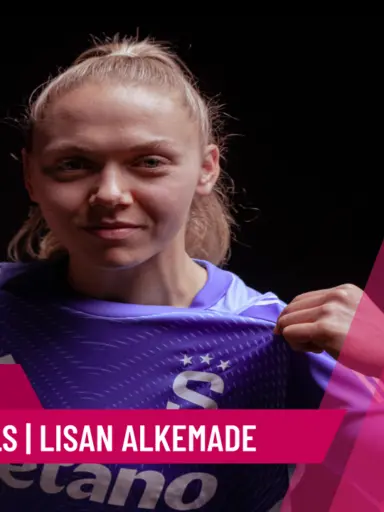 1 min read QB Originals LISAN ALKEMADE: PSV Eindhoven Goalkeeper on How Mainstream Media Treat Women's Football Goalkeepers
 1 min read QB Originals QB Break with Franny Černá | Coffee, Football & Life in Prague
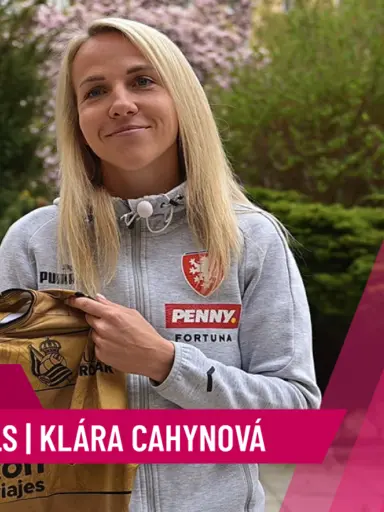 1 min read QB Originals “We Celebrated Like We Won the World Cup” - Klára Cahynová on Beating Barcelona
 4 min read Off The Pitch Focus on the pitch, relax in the paddock: These footballers are F1 enthusiasts
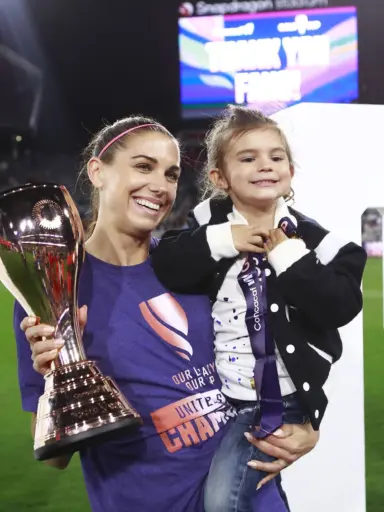 4 min read Strong Story No longer a choice: Motherhood in modern women’s football
 2 min read QB Originals BARBORA VOTÍKOVÁ: First Czech Woman at Arsenal. On & Off the Pitch
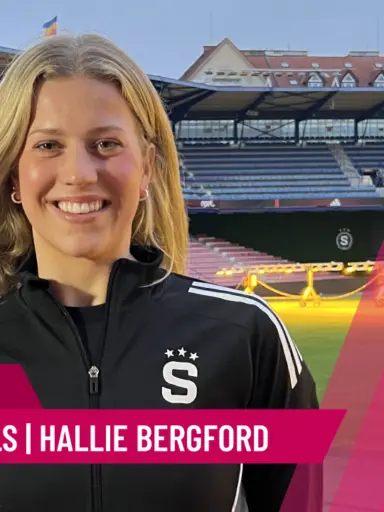 1 min read QB Originals First Game. New Country. Hattrick. Hallie Bergford Story
 1 min read The Best Actions NWSL expansion sides suffer defeats in season debuts
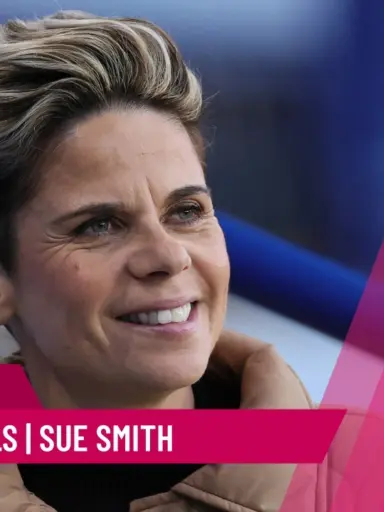 1 min read QB Originals SUE SMITH: A True Pioneer of the Women’s Game
 Being a fan is hardest when things aren't going well. But that’s the point. A letter from an Arsenal WFC fan
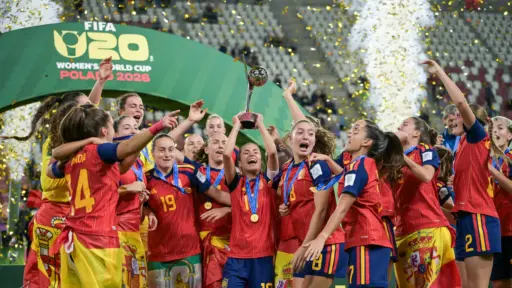 Women’s football stars call for change as U20 Women's World Cup scheduling leaves players behind
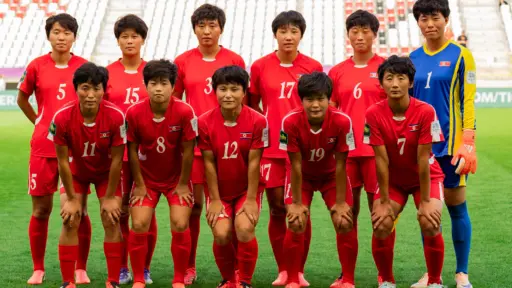 Why is North Korea so dominant in women’s youth football?
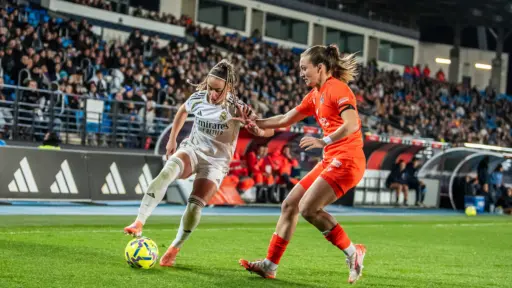 The physical difference that sets the NWSL apart from the Spanish Liga F
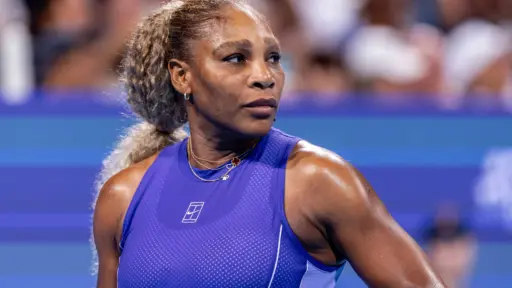 Who helps with the grow of women's football? Check celebrities who invest in the NWSL clubs
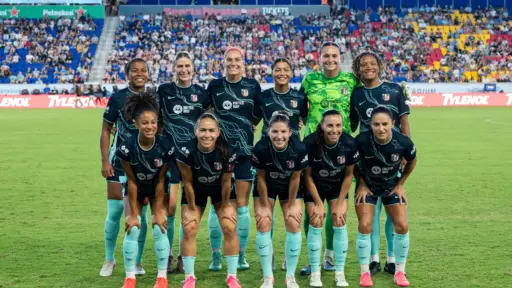 How much do NWSL clubs invest? A club-by-club breakdown
 What is behind Pau Gasol's historic investment in the Liga F?
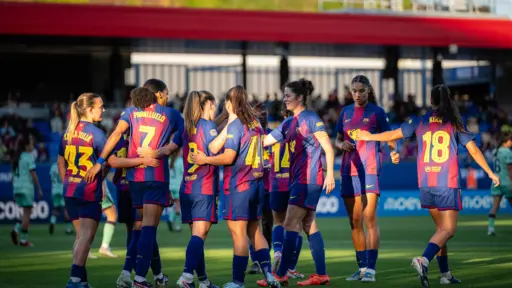 The minimum wage in Liga F lags behind
 Explore more from The Pulse
Keep discovering more stories from women's football.