

Stories
Your destination for women's football news, players profiles, exclusive interviews, statistics, highlights and inspiring stories from around the world.
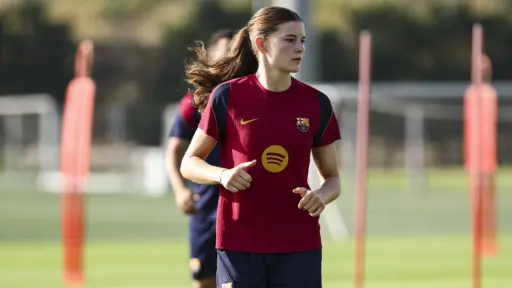 How Esmee Brugts helped convince Renee van Asten to join Barça Femení
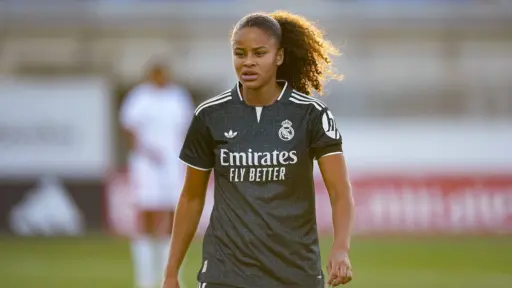 The most expensive signings of the summer? Two record-breaking players are heading to Liga F
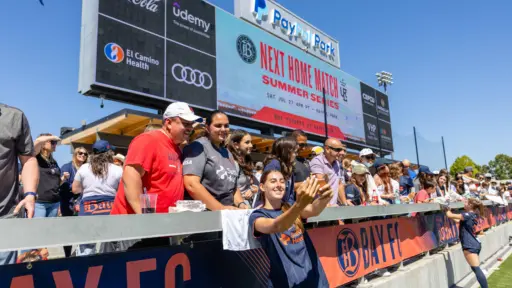 The growth of sponsorship revenue in the NWSL. How did it change since 2013?
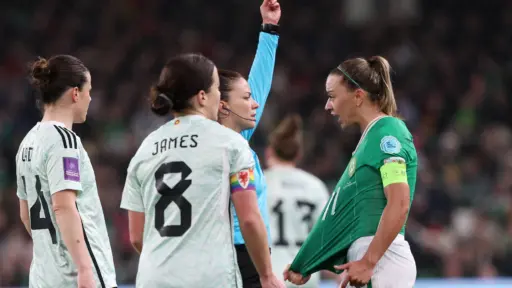 Opinion: Katie McCabe is a football villain. But women’s football needs her
 QB weekly: 27. 7. - 2. 8. 2026
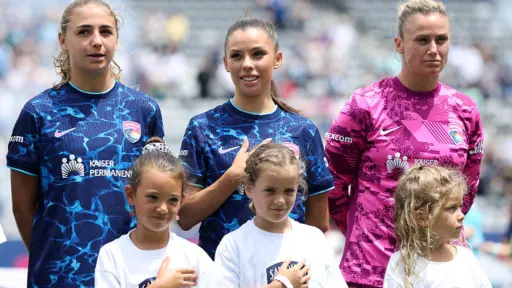 Who are the top young players in the NWSL? Seven future queens to remeber
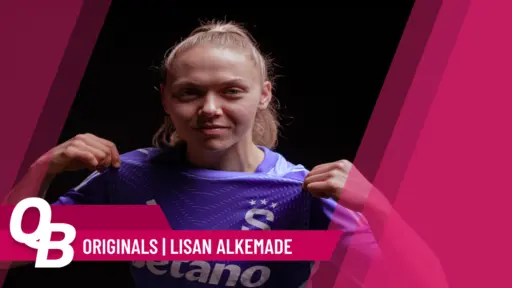 LISAN ALKEMADE: PSV Eindhoven Goalkeeper on How Mainstream Media Treat Women's Football Goalkeepers
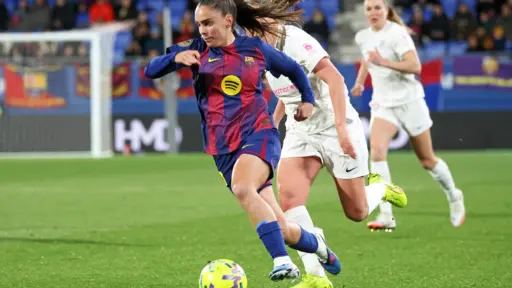 Who is Ainoa Gómez? La Masia wonderkid following Mariona Caldentey's path
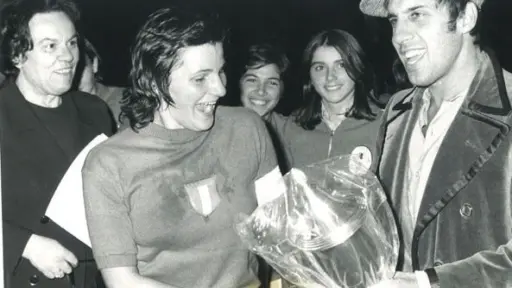 Elena Schiavo: The Italian rebel who changed the rules of the game
 Loading more articles…
That's everything for now.