Brands are all in: A new era of investment in women’s football
We are seeing more brands than ever associating themselves with women’s football - from athletes and clubs to major tournaments. What was once a space with limited sponsorship is now a serious investment opportunity.
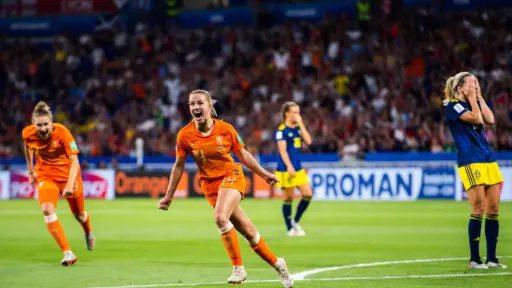
Women’s football is a fast-growing, culturally-relevant industry attracting global attention. Record-breaking tournaments like the European Championships in 2022 and 2025 have signaled a shift - brands are no longer just present for the sake of it, but they are embedding themselves into the fabric of the game.
Which brands are involved?
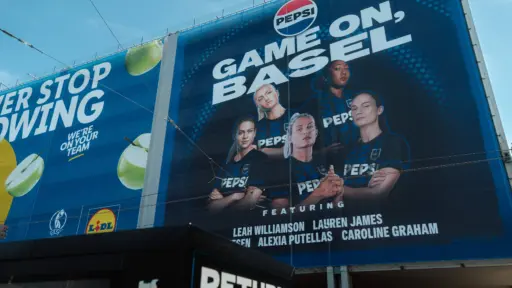
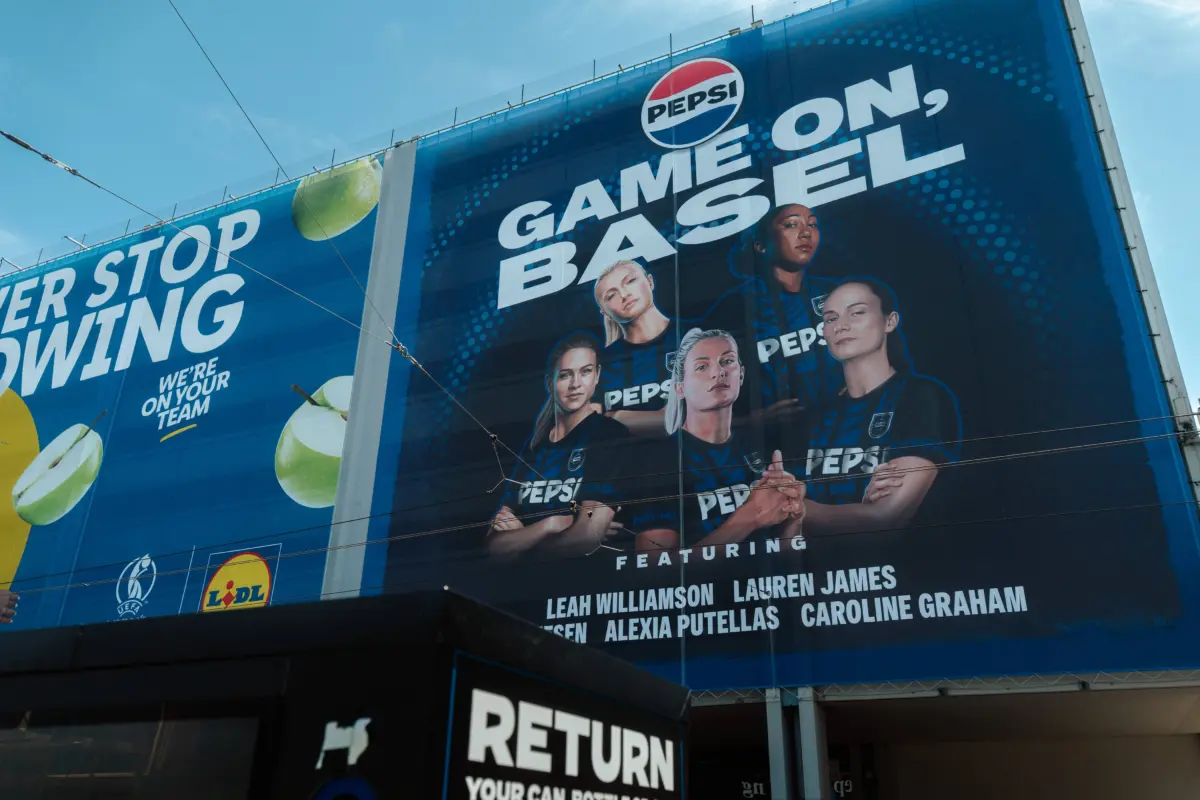
Some of the world’s biggest companies are investing heavily, especially at tournament level. Looking at Euro 2025, these brands included: Amazon, Visa, PepsiCo, Unilever, Booking.com, Lidl and AXA.
These brands are drawn to major competitions not just for reach (hundreds of millions of viewers), but also for the cultural engagement that women’s football uniquely delivers.
Other brands shaping the narrative in women’s football include Mastercard - focusing on experience-led activations and fan engagement, Google Pixel - storytelling and digital-first content and EE - playing a key role in amplifying the Lionesses, helping to bring women’s football into the mainstream.
At club level, partnerships are becoming more nuanced and increasingly important in shaping identity. There is growing discussion around how brands engage specifically with women’s teams, rather than as an extension of the men’s team.
An example of this shift can be seen at Manchester City. In 2023, baby gear brand Joie became Manchester City Women's ‘official family partner’ with their stadium later named the Joie Stadium - the first naming rights deal of its kind in the Women’s Super League.
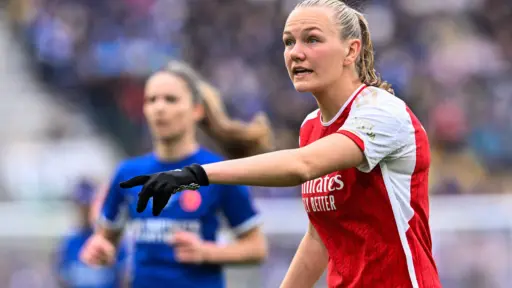
Arsenal have also engaged in bespoke progressive partnerships on their women's side. Beauty brand IL MAKIAGE was named official beauty partner in 2022 and their collaboration with Persil (part of Unilever) shows how purpose-driven angles can resonate - their ‘Dirt is Good’ campaign aims to tackle period stain stigma and also encourage more girls to play sport. These campaigns resonate with fans and feel authentic because they are often closely connected to the players themselves.
Meanwhile, London City Lionesses are also actively rewriting the rulebook on the partnership model. As the first fully independent women’s team in the WSL, they are prioritising alignment over traditional sponsorship structures. Their collaboration with TOGETHXR positioned their famous ‘Everyone Watches Women’s Sport’ slogan on the front of their shirt - instead of a standard paid shirt deal, the partnership positioned the brand as part of a broader cultural movement rather than a conventional sponsor.
Why are brands getting involved?
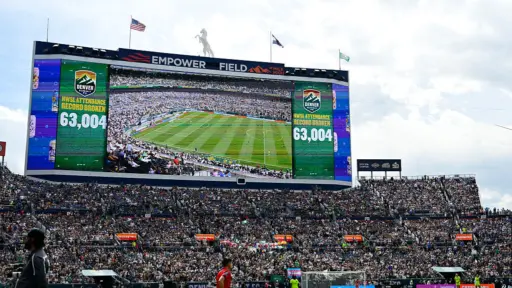
Women’s football has a rapidly growing audience of highly engaged fans, with a different demographic to the men’s game. Major tournaments are pulling in global audiences of up to 500 million viewers, adding to the commercial case.
At the same time, the space is strongly associated with inclusivity, giving brands an opportunity to align with values and purpose. Women’s football also sits at the intersection of sport, fashion, media and social change. From merchandise to storytelling, it offers brands creative entry points that go beyond traditional advertising.
In men’s football, the sponsorship space is crowded and often purely transactional. In the women’s game, brands can still shape culture, co-creating rather than just placing logos.
Tournaments like Euro 2025 also highlight sustainability and social impact initiatives. Lidl focused on recycling and menstrual health, Just Eat on grassroots participation programmes and Swiss Federal Railways on sustainable fan travel, demonstrating how brands can deliver real impact when they get involved.
The wider landscape and long-term
The rise of women’s football is also creating space for independent and women-founded brands, offering opportunities for meaningful innovation and creativity. The trajectory is clear - women’s football is a long-term growth market and brands that invest now with authenticity will not only benefit from its rise, but help shape what the landscape becomes.