The physical difference that sets the NWSL apart from the Spanish Liga F
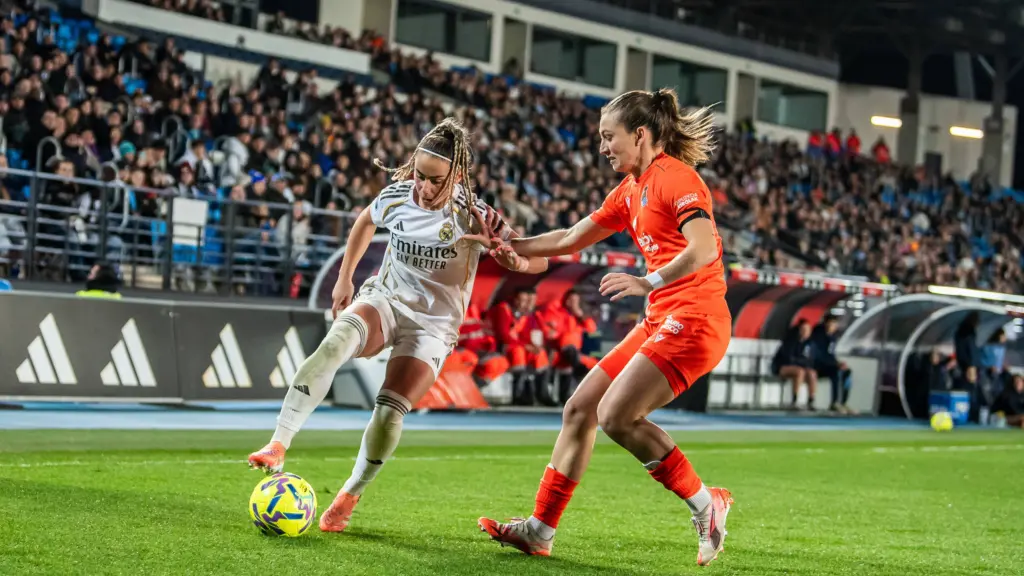
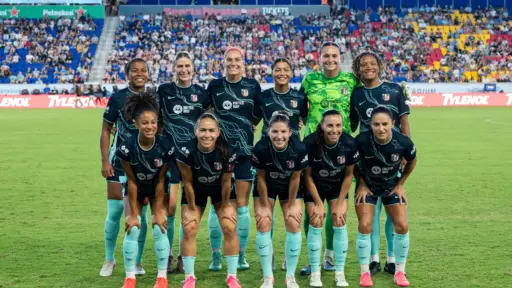
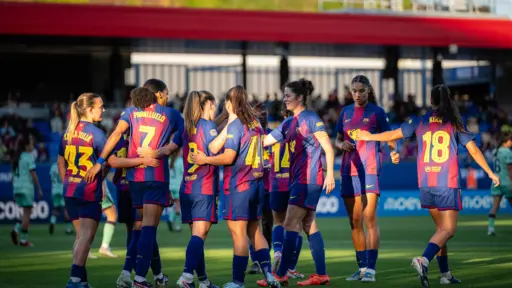
Many players have left the Spanish Liga F to continue their careers abroad in recent years. Spanish coaches have followed a similar path, with several moving to the NWSL, the top tier of women’s football in the United States, where they have brought with them the technical approach traditionally associated with Spanish football.
If there is one characteristic that has long defined Spanish football, it is its emphasis on technique and possession. Physicality, by comparison, has traditionally been considered one of its weaker areas. That has started to change, however, with the evolution of Spain’s national team also demonstrating how the physical side of the Spanish game has developed.
The NWSL, meanwhile, has long been associated with physicality, athleticism and strength. Those qualities have helped shape a demanding league characterised by its intensity, quick transitions and counter-attacking football.
For years, the United States was the dominant force in the women’s game, driven by an almost unstoppable national team and a domestic system that placed a significant emphasis on athletic development. Today, the financial power of NWSL franchises has added another dimension to the league’s appeal.
From Spain to the American system
One Spanish player who experienced the differences between the two systems first-hand is Arola Aparicio, who spent time playing university football in the United States before eventually returning to Spain.
As the technical and tactical side of the American game has developed, European football has also placed greater emphasis on physical preparation.
In the United States, much of that focus can already be seen at university level. Training sessions can begin as early as seven o’clock in the morning, with players sometimes expected to be in the gym by 6:30am, as Aparicio explained in an interview with Spanish outlet Relevo.
The university calendar adds another physical challenge. Pre-season begins in July before the competition gets underway in August and runs until the end of the year. Teams can play twice a week, with matches on Friday evenings followed by another game on Sunday mornings.
That environment places considerable demands on players and helps explain why physical preparation has traditionally played such an important role in the development of American footballers.
Two football cultures moving closer together
The differences between the American and European games are no longer as clear-cut as they once were.
The NWSL and US national team have benefited from the arrival of international talent bringing different technical and tactical qualities to the American game. At the same time, players developed within the US system continue to offer one of the traditional strengths of American football: athleticism and physical power.
Significant financial investment has also helped transform the environment around NWSL teams. Clubs are increasingly able to provide high-level facilities and professional structures designed to allow players to focus on football full-time. It is a combination that has contributed to the NWSL’s rapid development in recent years.
Meanwhile, leagues such as Liga F continue to face the challenge of retaining some of their best players. High-profile names and emerging talents have increasingly looked abroad for the next step in their careers, attracted by sporting opportunities, professional environments and financial offers available in other leagues.
The gap between Spanish and American football may be narrowing, but their different traditions remain visible. Spain has built its reputation around technique and possession, while physicality and athleticism have long been fundamental to the American game. Increasingly, however, the most successful teams and leagues are finding ways to combine both.
In This Story
The players this piece is about.


More Videos & Highlights
Watch the moments behind the story.
 2 min read QB Originals Exclusive: Franny Černá on growing up in the USA, representing Czechia and how mainstream media treat women’s football
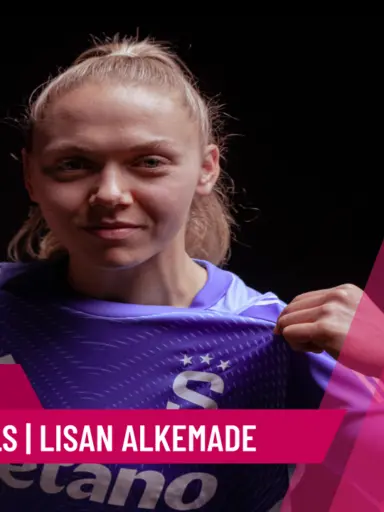 1 min read QB Originals LISAN ALKEMADE: PSV Eindhoven Goalkeeper on How Mainstream Media Treat Women's Football Goalkeepers
 1 min read QB Originals QB Break with Franny Černá | Coffee, Football & Life in Prague
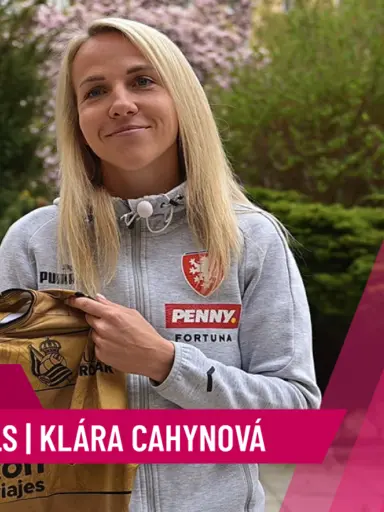 1 min read QB Originals “We Celebrated Like We Won the World Cup” - Klára Cahynová on Beating Barcelona
 4 min read Off The Pitch Focus on the pitch, relax in the paddock: These footballers are F1 enthusiasts
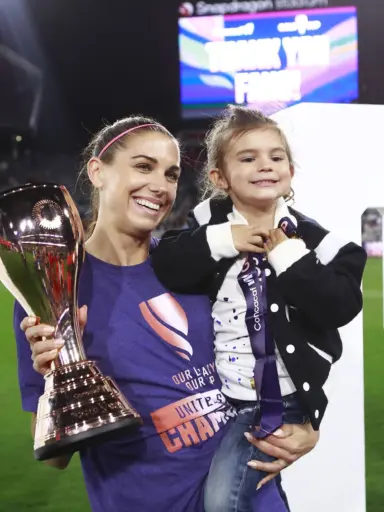 4 min read Strong Story No longer a choice: Motherhood in modern women’s football
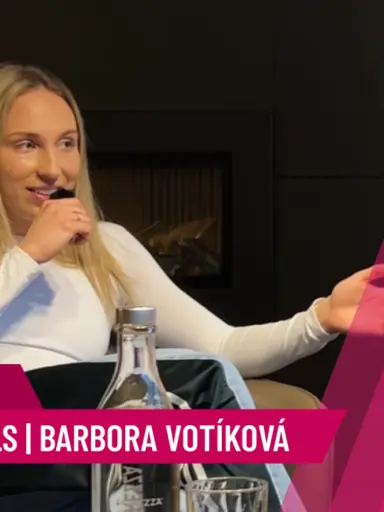 2 min read QB Originals BARBORA VOTÍKOVÁ: First Czech Woman at Arsenal. On & Off the Pitch
 1 min read QB Originals First Game. New Country. Hattrick. Hallie Bergford Story
 1 min read The Best Actions NWSL expansion sides suffer defeats in season debuts
 1 min read QB Originals SUE SMITH: A True Pioneer of the Women’s Game
 Being a fan is hardest when things aren't going well. But that’s the point. A letter from an Arsenal WFC fan
 Women’s football stars call for change as U20 Women's World Cup scheduling leaves players behind
 Why is North Korea so dominant in women’s youth football?
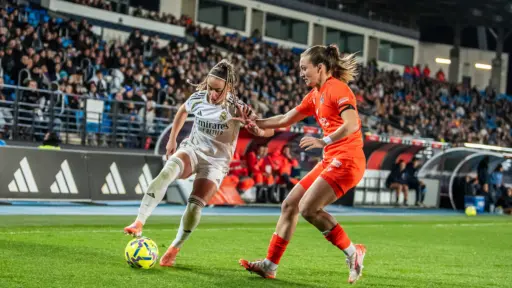 The physical difference that sets the NWSL apart from the Spanish Liga F
 Who helps with the grow of women's football? Check celebrities who invest in the NWSL clubs
 How much do NWSL clubs invest? A club-by-club breakdown
 What is behind Pau Gasol's historic investment in the Liga F?
 The minimum wage in Liga F lags behind
 Explore more from The Pulse
Keep discovering more stories from women's football.